
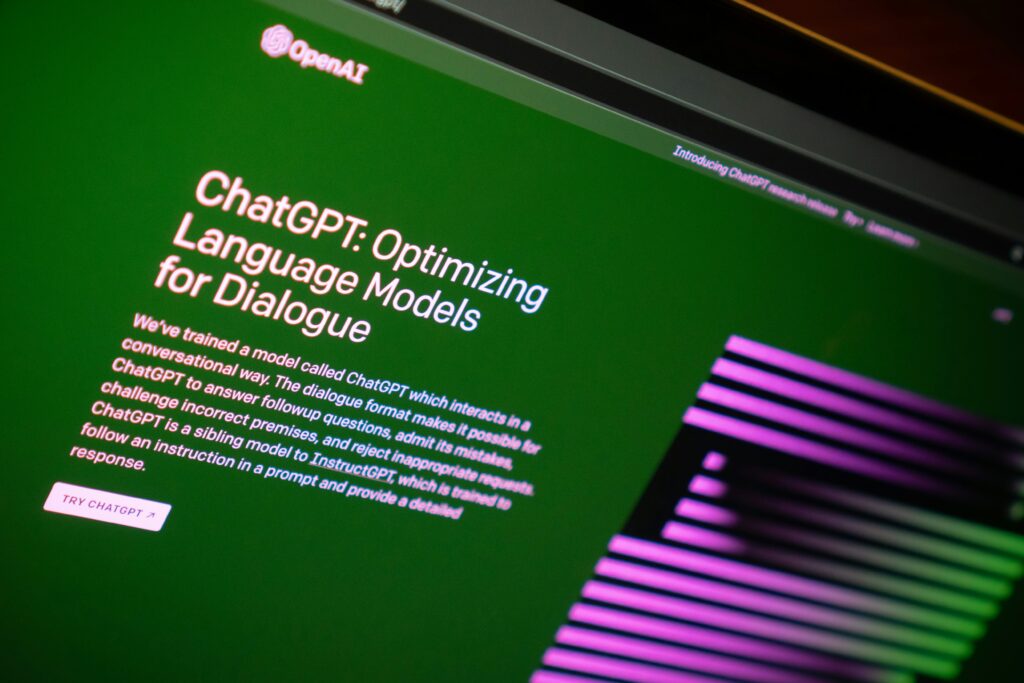
The Emergence of Agentic AI in the Enterprise
In mid-November 2024, reports surfaced regarding OpenAI’s roadmap for ‘Operator,’ an agentic system engineered to control computer interfaces to execute tasks on behalf of users. While the project remains in the development phase, industry analysts view this as a transformative step for enterprise software. Unlike traditional LLMs that merely process information, Operator is designed to navigate software environments, effectively acting as a digital employee that handles multi-step workflows.
Why Agentic Systems Matter for Modern Business
Current enterprise automation often relies on rigid scripts or siloed API integrations. Agentic AI, as envisioned by OpenAI, promises a more flexible approach. According to Bloomberg Tech, this technology will focus on tasks like coding and booking travel, but the implications for broader B2B operations are significant. By automating mundane, repetitive navigation tasks, businesses can reallocate human capital toward strategic decision-making.
Strategic Integration and Workflow Efficiency
At ByteTechScope, we have consistently emphasized the importance of high-level process architecture. In our recent post on scaling with intelligent automation, we discussed how modular systems are essential for long-term growth. ‘Operator’ represents the next evolution of this modularity. By allowing an AI agent to interface with existing desktop software, companies can bypass the need for costly custom API builds, creating a more fluid bridge between legacy systems and modern AI tools.
The Expert Perspective on AI Autonomy
The transition toward ‘action-oriented’ AI is not without its challenges. Security, compliance, and hallucination risks remain at the forefront of C-suite discussions. However, the potential for massive productivity gains is too high to ignore. Experts predict that firms that successfully pilot these agentic workflows within the next 18 months will achieve a substantial lead in operational efficiency. We expect that as OpenAI releases more details, the focus will shift from ‘generative’ capabilities to ‘functional’ reliability.
Looking Ahead: Preparing Your Organization
While the product is not yet publicly deployed, the strategy for leadership teams is clear: audit your current manual workflows. Identify tasks that require consistent mouse clicks, data entry between applications, and form navigation. Preparing your data infrastructure now will ensure that when agentic tools like Operator arrive, your systems are ready for seamless integration. The future of business is no longer about tools that assist; it is about systems that execute.