
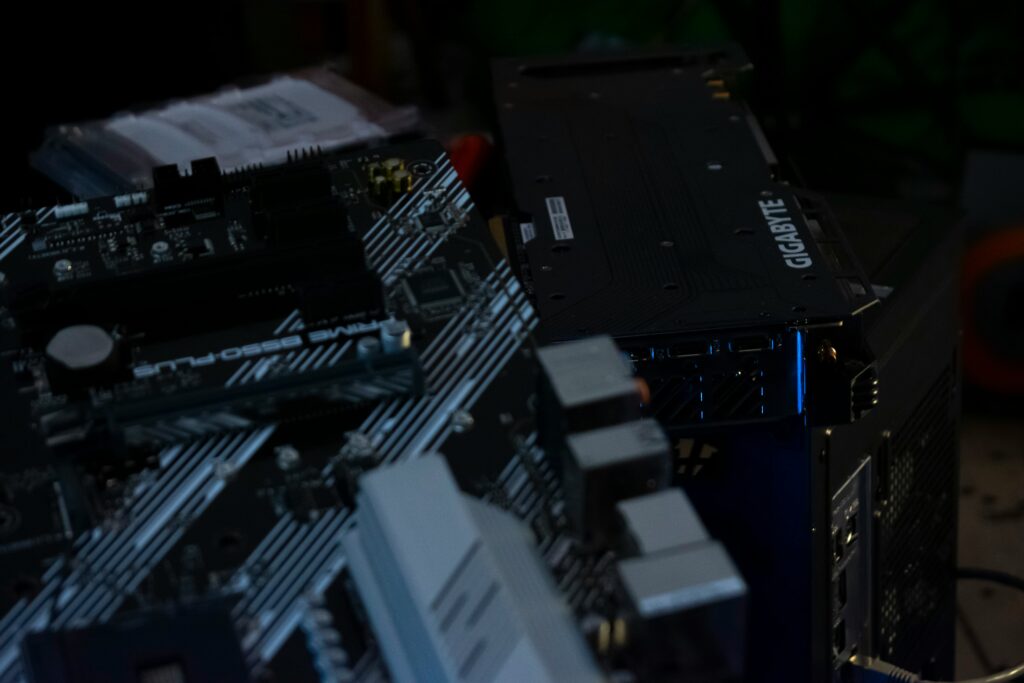
In the rapidly evolving realm of high-performance hardware, NVIDIA’s announcement regarding its Blackwell B200 and GB200 systems has captured the attention of CTOs and lead engineers globally. Since the initial unveiling of this architecture, the industry has been watching closely as the firm transitions from prototype evaluation to full-scale enterprise deployment. This hardware shift isn’t just about raw speed; it’s about architectural efficiency that addresses the bottlenecks of previous-generation GPU clusters.
The Engineering Behind Blackwell’s Performance
The Blackwell architecture is engineered to provide a massive jump in processing power, specifically tailored for large-scale data workflows. Unlike traditional hardware, the Blackwell GPUs utilize a two-reticle design linked by a 10TB/s chip-to-chip interconnect. According to official NVIDIA press releases, this design allows the GPUs to function as a single unified chip, significantly reducing latency and energy consumption during intensive computational tasks.
For businesses currently optimizing their server racks, this hardware represents a potential pivot point. If your organization is looking to streamline internal workflows, our recent guide on infrastructure optimization provides a foundational look at preparing legacy systems for these new hardware standards.
Impact on Global Data Centers
The impact of this next-gen hardware extends beyond simple benchmark scores. For the modern enterprise, the Blackwell platform offers a path to lower the total cost of ownership (TCO) for massive data operations. By packing more performance into fewer physical racks, data centers can achieve higher efficiency levels. Experts note that as energy costs rise, the performance-per-watt metric provided by Blackwell will become the primary driver for hardware procurement decisions over the next 24 months.
Industry Predictions and Future Outlook
Market analysts predict that by the end of the year, the race for Blackwell-equipped infrastructure will reach a fever pitch among cloud service providers. While we wait for widespread public availability, it is clear that NVIDIA is setting a new baseline for hardware performance. Organizations that fail to plan for this level of compute capacity may find themselves struggling to maintain parity with competitors who adopt these systems early.
The shift toward modular, high-bandwidth architectures is expected to continue. We anticipate that hardware manufacturers will increasingly focus on interconnectivity and system-level integration rather than just raw core counts, a trend that Blackwell clearly pioneered for the current product cycle.