
The Dawn of the Blackwell Era
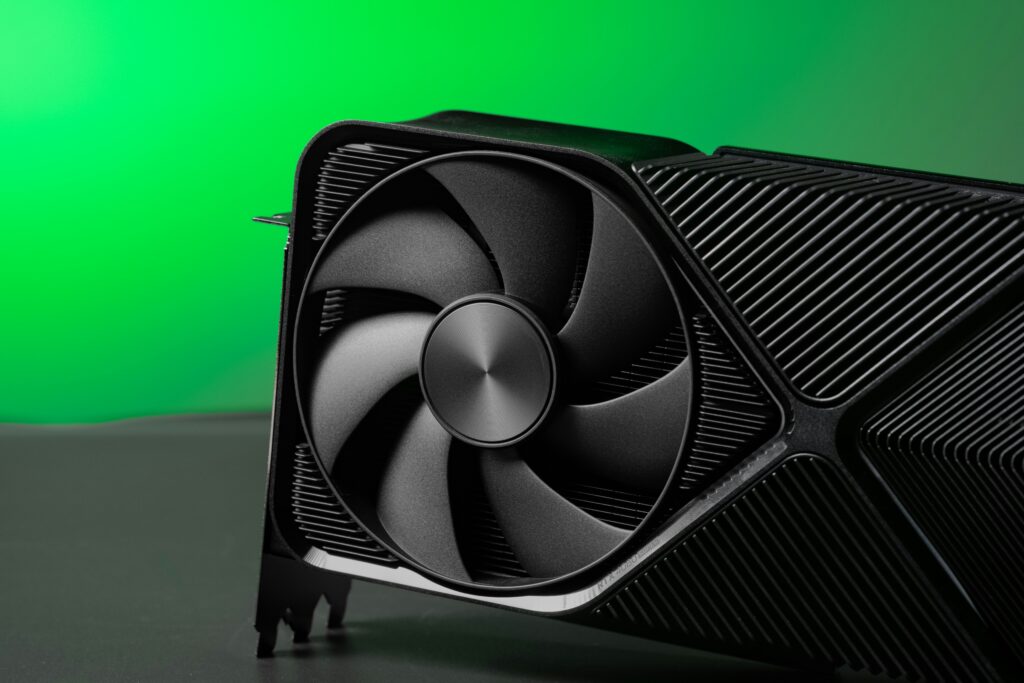
In a major industry update, Nvidia officially began the shipment of its Blackwell-based GPUs. This announcement marks a critical juncture for data centers globally, as businesses look to scale their operations with more robust computational power. The Blackwell platform, unveiled to address the growing demands of generative models and complex simulations, represents more than just a marginal improvement over the Hopper architecture; it is a fundamental redesign of how data is processed in AI-centric workflows.
Technical Specifications and Performance Metrics
According to official reports from The Verge, the demand for these chips is currently outstripping supply, underscoring their importance in the current market. The hardware features a dual-die design that acts as a single, unified GPU. This architecture delivers up to 30 times the performance for large language model inference compared to its predecessors. For enterprises, this means drastically reduced training times and the ability to execute complex workflows that were previously cost-prohibitive.
Impact on Enterprise Automation and Workflow
For organizations, the Blackwell architecture is not just about raw speed—it is about efficiency. By optimizing power consumption, Nvidia is helping companies reduce the carbon footprint of their data centers while simultaneously increasing throughput. This shift is vital for businesses looking to automate their analytical pipelines without sacrificing stability. If you want to see how this fits into your broader digital strategy, take a look at our guide on automating data pipelines for scalability.
Expert Analysis: What Lies Ahead
Industry analysts suggest that the Blackwell GPU will become the backbone of the next generation of industrial AI. As models grow larger, the reliance on high-bandwidth, low-latency interconnects—such as those integrated into the Blackwell ecosystem—will become non-negotiable. While current implementation is focused on early adopters and cloud providers, we anticipate a ripple effect that will make these capabilities more accessible to medium-sized enterprises by late 2025.
Final Thoughts
The transition to Blackwell is a significant milestone that signifies the maturing of the AI hardware industry. For decision-makers, the focus should not merely be on acquiring the latest hardware but on designing infrastructure that can fully utilize this level of performance. As we continue to track these advancements, it is clear that those who integrate these tools effectively will lead the next wave of technological innovation.