
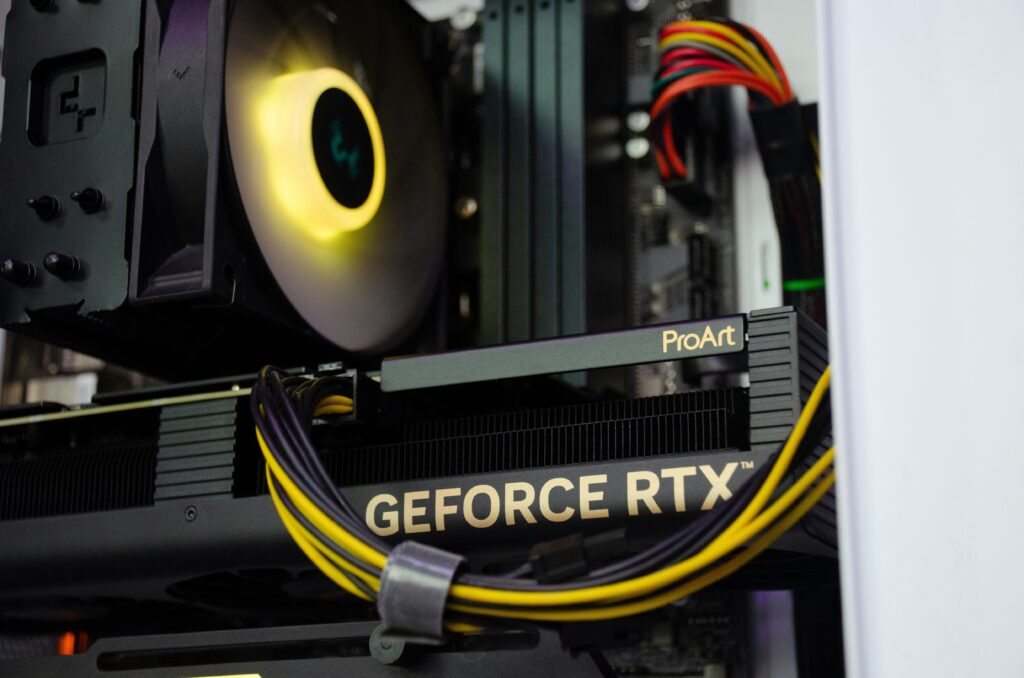
The Dawn of the Blackwell Era
In a significant milestone for the semiconductor industry, Nvidia recently confirmed that it has begun shipping its Blackwell-based GPU samples to key partners globally. The Blackwell architecture, unveiled earlier this year, represents a fundamental shift in how hardware handles multi-trillion parameter models. Unlike its predecessor, the Hopper H100, which focused on scaling foundational AI, Blackwell is built specifically for the era of generative AI production, focusing on inter-chip communication speed and power efficiency.
Technical Innovations Under the Hood
At the core of the Blackwell B200 GPU is a unique design that combines two reticle-limited dies into a single, unified chip. According to The Verge, Nvidia has successfully navigated initial manufacturing hurdles to ensure that the chips meet the strict thermal and performance requirements of hyperscale data centers. This dual-die configuration allows for 192GB of HBM3e memory, providing the necessary bandwidth to prevent data bottlenecks during large-scale training tasks.
Impact on Enterprise Infrastructure
For organizations looking to automate workflows or deploy proprietary large language models, the Blackwell GPU is more than just an incremental upgrade; it is a game-changer. The architecture supports ‘NVLink 5.0,’ which significantly improves the communication bandwidth between GPUs. For businesses already familiar with the shift in computing dynamics, this is a natural evolution, similar to the strategies discussed in our guide on enterprise AI integration. By reducing the time required for model inference, companies can lower their operational overhead while increasing the velocity of their software development lifecycles.
Market Sentiment and Expert Predictions
Industry analysts view the rollout of Blackwell as the primary catalyst for the next wave of capital expenditure in the tech sector. While supply chain constraints remain a point of discussion, the consensus is that the shift to this architecture is inevitable for any entity serious about maintaining a competitive edge in machine learning. Experts predict that as more Blackwell units enter the ecosystem, we will see a surge in specialized hardware-software solutions that treat compute as a liquid resource.
Conclusion: Preparing for the Next Hardware Cycle
The introduction of the Blackwell platform marks the end of the initial excitement phase for generative AI and the beginning of the deployment phase. Businesses that align their IT strategy with these hardware advancements will likely see significant gains in efficiency. As always, the key lies not just in acquiring the hardware, but in understanding how it fits into your existing automation and data architecture.