
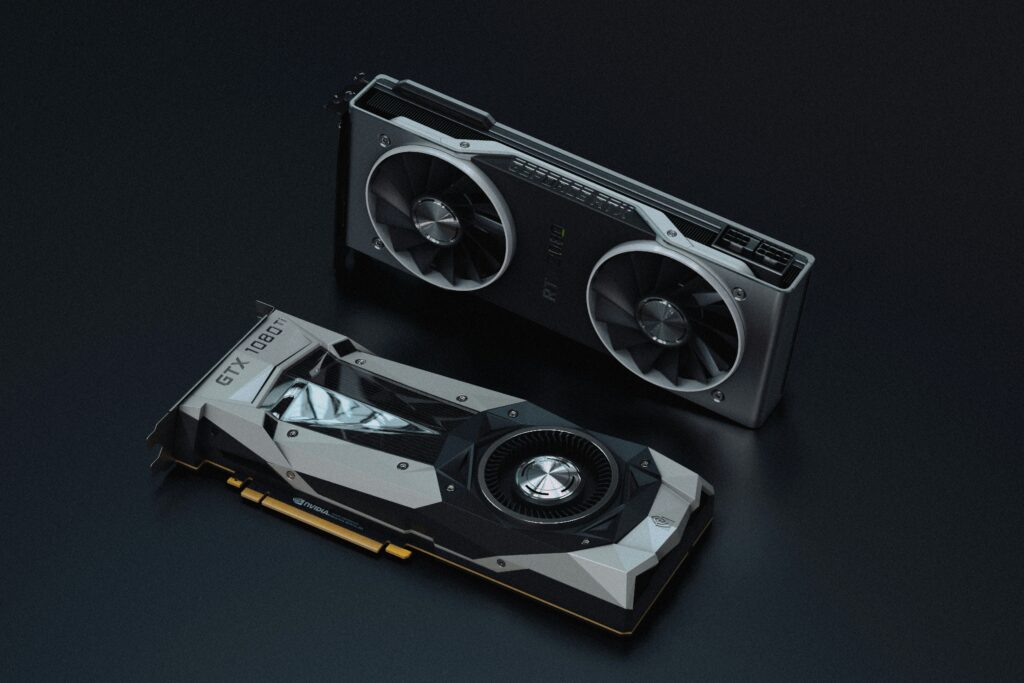
The Dawn of the Blackwell Architecture
In mid-October 2024, Nvidia confirmed that its latest GPU architecture, Blackwell, is now in full production. This release follows months of intense industry anticipation and significant supply chain efforts to meet global demand. Unlike previous iterations, Blackwell is engineered specifically to handle the complexities of trillion-parameter models, integrating two silicon dies into a single chip. This architectural decision represents a fundamental shift in how hardware manufacturers approach power efficiency versus raw performance.
Engineering Mastery and Official Insights
According to official statements from The Verge, Nvidia has prioritized the optimization of interconnectivity between processors. By utilizing the fifth-generation NVLink, the Blackwell GPU enables up to 1.8 terabytes per second of communication, effectively allowing multiple GPUs to function as a single, unified entity. This is not just a marginal improvement; it is a structural redesign intended to eliminate the bottlenecks that have traditionally plagued data-intensive operations in large-scale server farms.
Impact on Industry Workflows
For organizations looking to automate complex processes, the implications are profound. Traditional data center infrastructures often struggle with latency when processing massive datasets. With the deployment of Blackwell, businesses can expect a significant reduction in the time required for data training and inference. This speed is essential for industries ranging from autonomous logistics to predictive financial modeling. For a deeper look at how modern hardware supports these advancements, see our article on Optimizing Cloud Infrastructure.
The Efficiency Paradigm
Power consumption has become the primary concern for the tech industry. Nvidia has addressed this by focusing on ‘energy-proportional’ computing. By scaling performance according to the specific needs of a task, Blackwell hardware ensures that energy is not wasted during periods of idle activity. This makes it an attractive proposition for global companies aiming to meet environmental, social, and governance (ESG) goals while maintaining a competitive technological edge.
Expert Predictions and Future Outlook
Industry analysts suggest that the widespread adoption of Blackwell will effectively set the standard for hardware specifications for the next three to five years. While early units are being prioritized for hyperscalers, the eventual migration of this technology to enterprise-grade private clouds is inevitable. We anticipate that by early 2025, firms that invest in this hardware refresh will see a drastic improvement in their operational output, allowing them to leverage data insights that were previously too costly or time-consuming to extract.
Concluding Perspectives
The introduction of the Blackwell GPU is more than just a specification bump; it is an foundational change in computing architecture. For technology consultants and business leaders, the message is clear: the hardware powering your future workflows is evolving at an unprecedented pace. Staying informed on these developments is no longer an optional task for firms—it is a requirement for survival in a hardware-reliant economy.