
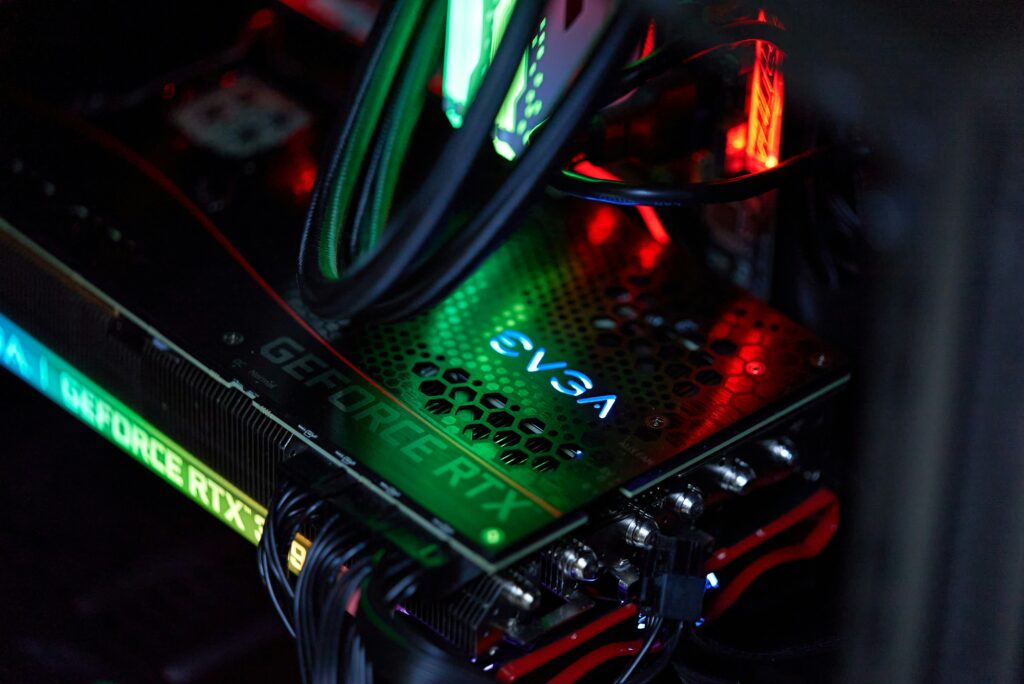
The Rise of Blackwell: Architectural Innovation
In mid-2024, Nvidia provided deeper technical insights into the Blackwell GPU architecture, marking a milestone in hardware evolution. Unlike previous generations, the Blackwell platform is designed to handle trillion-parameter models, integrating 208 billion transistors on a single processor. This isn’t merely an incremental upgrade; it is a fundamental redesign aimed at reducing the energy and costs associated with training AI models.
Setting the New Performance Standard
According to The Verge, these chips offer massive performance gains over the predecessor ‘Hopper’ architecture. Nvidia claims up to 30 times the performance for real-time generative AI inference. For corporations, this translates to faster simulation, more accurate business intelligence, and a massive reduction in the energy footprint of server farms. The move is a strategic attempt to ensure Nvidia remains the bedrock of modern tech infrastructure.
Strategic Impact on Global Industry
For organizations already utilizing existing infrastructure, the integration of Blackwell requires a comprehensive audit of current hardware stacks. It is not enough to simply purchase newer chips; the cooling and power delivery systems must also be updated. This is where strategic workflow automation and consultation become vital. As discussed in our guide on optimizing tech infrastructure, hardware selection must align with long-term software scalability.
Expert Projections and Future Outlook
Industry analysts speculate that while demand currently outstrips supply, the long-term benefit for early adopters will be a significant competitive edge in operational speed. We expect to see a surge in specialized hardware-as-a-service models where companies lease this capacity rather than owning it, reducing the heavy capital expenditure otherwise required.
The Road Ahead
Nvidia’s Blackwell represents the convergence of high-end hardware and software requirements. As the market stabilizes, we anticipate this hardware will define how enterprises manage their digital assets for the next half-decade. Whether your firm is ready for this shift depends on how quickly you can integrate these innovations into your existing workflows.