
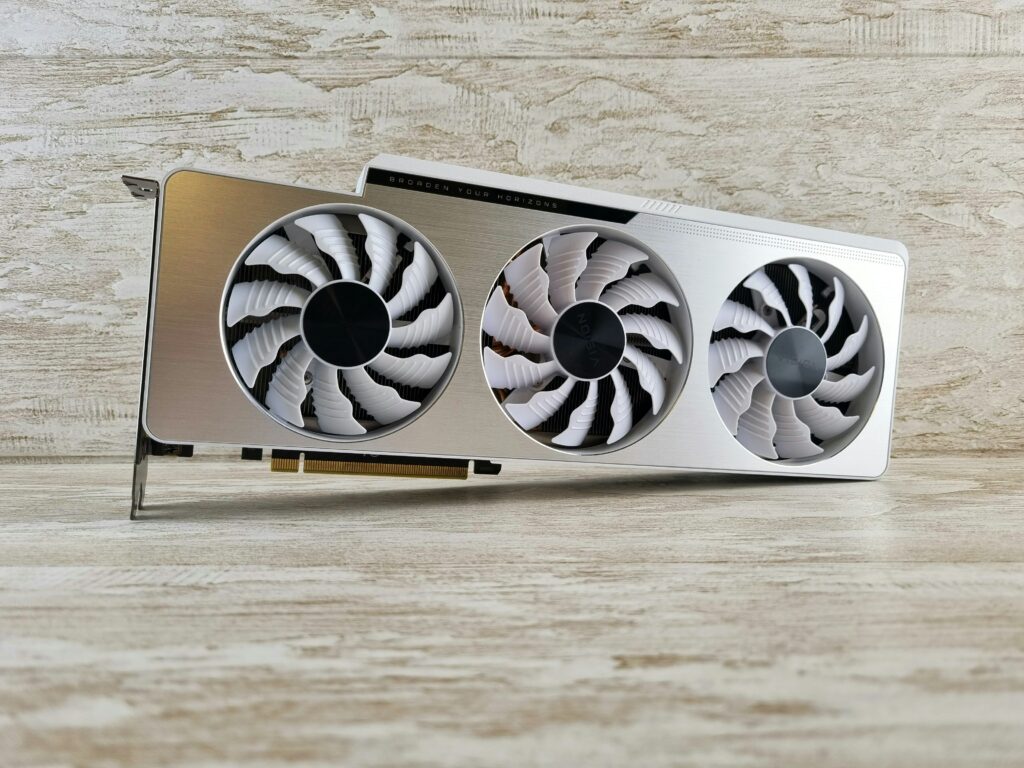
On March 18, 2024, at GTC, NVIDIA officially unveiled the Blackwell architecture, a transformative leap in GPU technology. Named after David Harold Blackwell, the platform is engineered to support the exponential growth of artificial intelligence and high-performance computing. At its core, the architecture integrates two-die GPU designs interconnected by a 10 TB/s chip-to-chip link, effectively functioning as a single, massive processor.
Engineering the Future of Computing
The technical specifications released by NVIDIA reveal a focus on scale and efficiency. With 208 billion transistors manufactured using a custom-built 4NP TSMC process, the B200 GPU is designed to deliver unprecedented performance for massive-scale models. According to The Verge, this hardware isn’t just about raw power; it’s about reducing the energy footprint of complex AI training, which has become a primary bottleneck for data centers worldwide.
Impact on Enterprise Infrastructure
For organizations, the deployment of Blackwell represents a move away from standard compute clusters toward integrated AI super-nodes. The ability to run models with trillions of parameters more efficiently means that enterprises can reduce training times from months to weeks. This shift necessitates a complete overhaul of existing cooling and power management workflows. Businesses must evaluate their current capacity to handle the high thermal design power (TDP) associated with these new modules.
The Role of Interconnectivity
A critical component of this hardware is the fifth-generation NVLink. This technology allows for seamless communication between up to 576 GPUs within a single NVLink Switch domain. This architectural choice addresses the memory bandwidth constraints that have traditionally hampered multi-GPU performance. Companies looking to optimize their workflow should consider reading our analysis on scaling data centers for AI to understand how infrastructure connectivity dictates software scalability.
Looking Ahead: The New Hardware Paradigm
Industry experts predict that the Blackwell generation will be the standard for cloud service providers through at least 2026. While the hardware is currently in the deployment phase, the focus for the coming months will shift toward software optimization layers that can fully exploit the B200’s capabilities. Organizations that integrate this hardware today are effectively future-proofing their capability to deploy sophisticated automation and predictive analytics tools.
As we monitor the real-world adoption of these units, the emphasis remains on how hardware capabilities enable deeper business intelligence. The transition to the Blackwell architecture is not merely a purchase; it is a strategic alignment with the future of global digital infrastructure.