
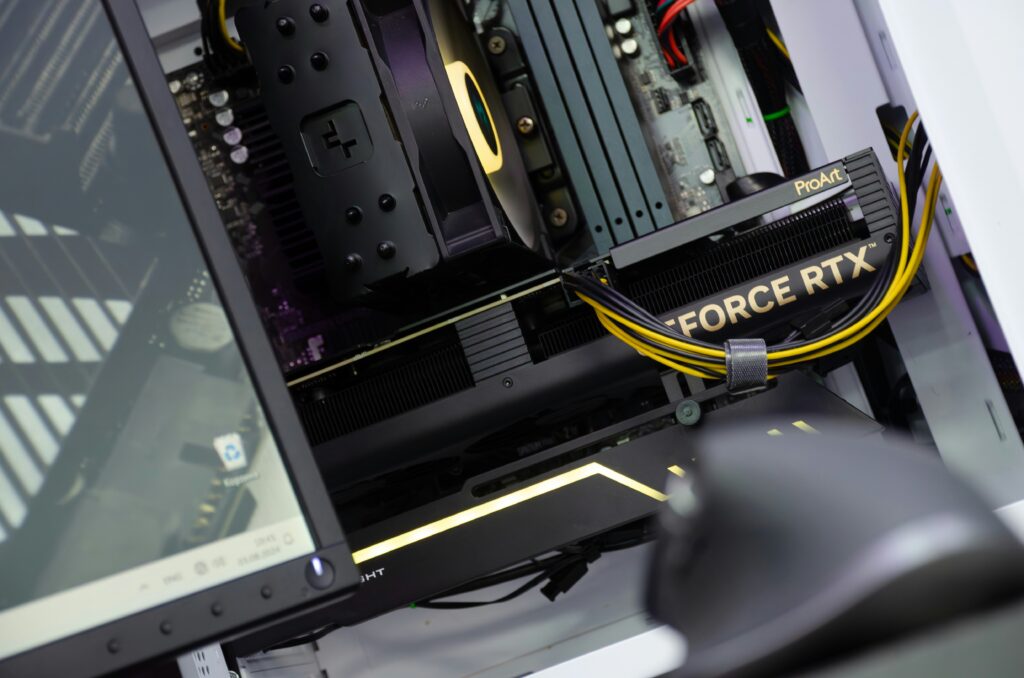
The Evolution of High-Performance Computing
In mid-March 2024, NVIDIA officially unveiled the Blackwell architecture, representing the most significant leap in GPU performance to date. Designed to meet the insatiable hunger of modern data centers, Blackwell aims to redefine the limits of what hardware can achieve in professional environments. Unlike previous architectures, Blackwell leverages a massive multi-die structure, offering up to 30 times the performance for inference tasks compared to its predecessors.
Technical Advancements and Performance Data
According to official statements from NVIDIA, the Blackwell GPU is built on a custom TSMC 4NP process, featuring two reticle-limited dies connected by a 10 TB/s chip-to-chip link. This integration allows for unprecedented throughput. When compared to the H100 Hopper series, the Blackwell platform significantly reduces energy consumption while increasing training efficiency for massive models. The technological shift is detailed further in this recent report by The Verge, highlighting the specific architectural nuances that set it apart from legacy systems.
The Impact on Workflow Automation
For organizations specializing in technology consulting and workflow automation, the introduction of Blackwell means that latency-heavy tasks—previously thought to be bottlenecked by hardware—can now be executed in real-time. This capability allows for more sophisticated simulation models and faster automated decision-making processes. Whether you are managing complex supply chains or optimizing software development lifecycles, the infrastructure behind your tools is changing rapidly. You can learn more about how we optimize these workflows in our comprehensive guide on workflow automation.
Expert Predictions and Future Outlook
Industry analysts project that the adoption of Blackwell-based systems will accelerate the transition toward autonomous infrastructures by 2026. As businesses look to modernize, the focus will shift from simply having hardware to managing hardware at scale. The bottleneck is no longer raw compute, but the orchestration of that compute across distributed networks. Professionals in the field should prepare for a future where hardware integration is the primary differentiator for competitive advantage.
Conclusion
The NVIDIA Blackwell GPU is undeniably a pivot point for the hardware industry. As these units make their way into data centers worldwide, the potential for businesses to leverage deep, real-time insights will only increase. Keeping pace with these hardware developments is a necessity for any forward-thinking consultancy.