
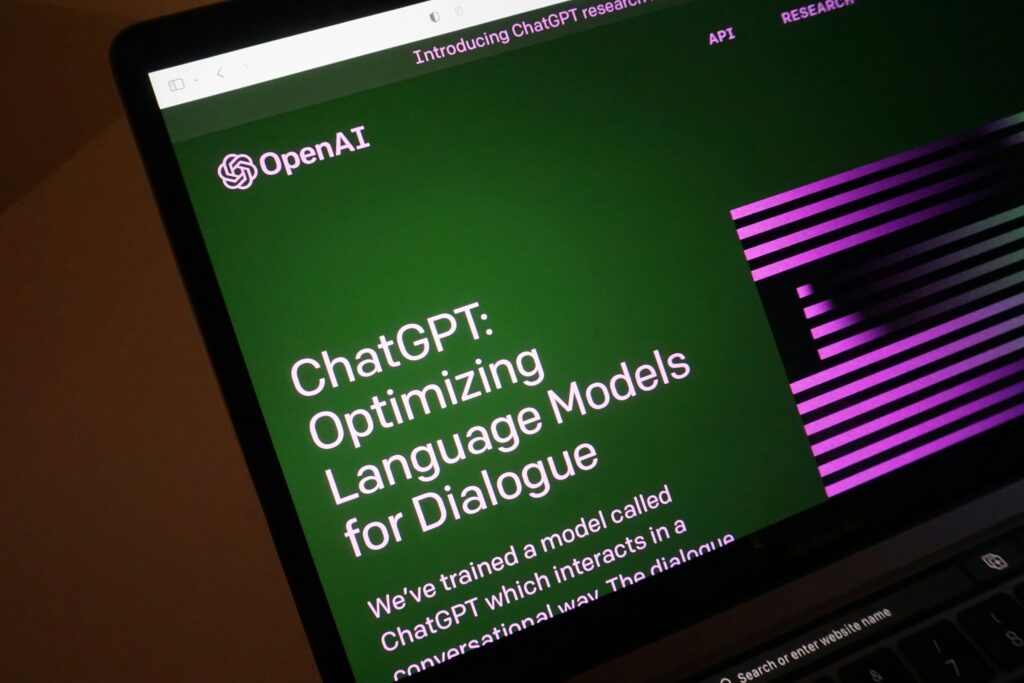
The Strategic Evolution of OpenAI
In late September 2024, OpenAI confirmed a landmark funding round that raised $6.6 billion, pushing its valuation to an staggering $157 billion. This announcement, reported officially via their company blog, highlights a massive confidence vote from major venture capital firms and tech giants. This isn’t just a cash injection; it represents a fundamental change in how OpenAI approaches its internal governance and external partnerships.
Shifting Toward a For-Profit Future
As noted by Bloomberg Tech, the transition away from a pure non-profit board structure is designed to attract institutional capital necessary for high-compute infrastructure. This evolution mirrors the trajectory of companies like Microsoft, where scalable business models meet groundbreaking research. For startups, this signals that the ‘AI gold rush’ is moving into a phase of enterprise maturity and stability.
Impact on Workflow Automation and Business Integration
Our recent analysis on integrating machine learning into enterprise systems highlights how these platform shifts directly affect daily operations. OpenAI is moving beyond simple chatbots to ‘agentic’ workflows—AI systems capable of executing complex tasks across various applications. Businesses that align their workflow automation strategies with these evolving models will gain a significant operational advantage over competitors relying on static automation tools.
The Role of Infrastructure and Compute Power
The massive capital influx is largely earmarked for data center capacity. As Nvidia continues to dominate the hardware space, OpenAI’s partnership with Microsoft Azure becomes even more critical. The ability to command massive compute power is now the primary barrier to entry in the generative AI market, effectively creating a ‘moat’ around the most advanced AI startups.
Future Predictions: The ‘Agentic’ Era
Looking ahead to 2025, industry experts predict a transition from ‘chat’ to ‘action.’ We expect to see tools that don’t just draft emails but autonomously manage project pipelines, financial reconciliation, and cross-departmental scheduling. This shift will require a re-evaluation of current IT consulting practices, moving from simple implementation to sophisticated orchestration of AI agents.
Ultimately, the industry is entering a maturation phase. While speculative buzz often dominates headlines, companies that focus on practical, scalable, and secure deployment of these powerful tools will be the ones to define the next decade of business innovation.