
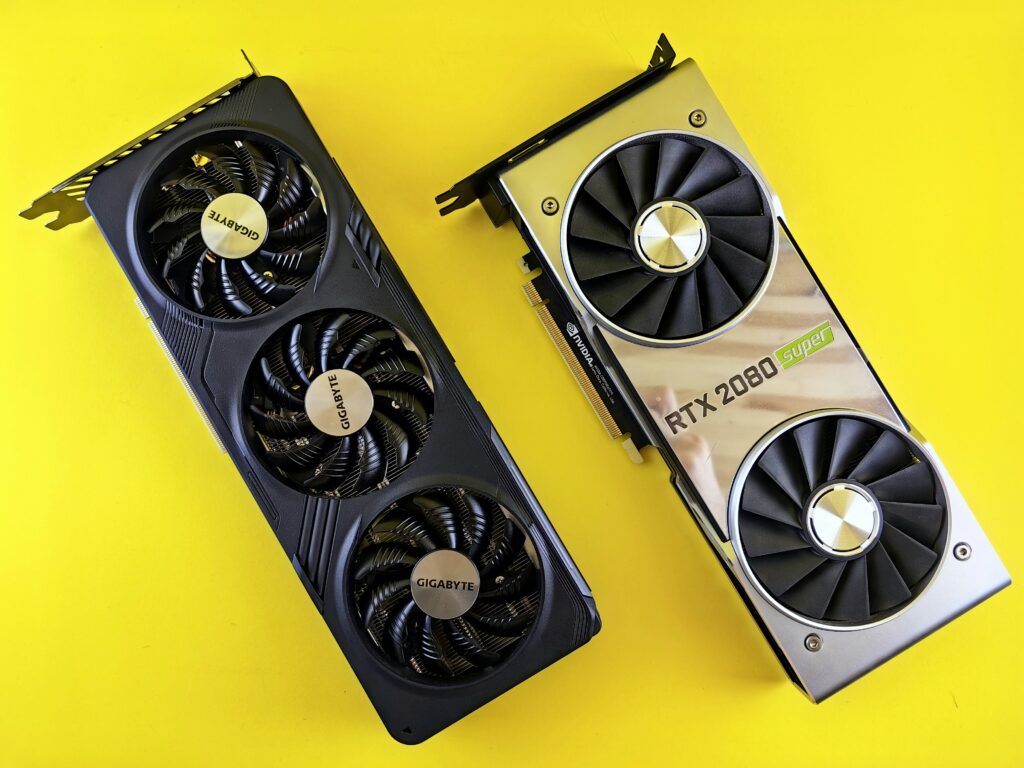
Nvidia’s latest Blackwell architecture, officially highlighted in recent quarterly briefings, represents the most significant leap in GPU performance since the introduction of the Hopper architecture. By utilizing a multi-die design, Nvidia has managed to push the boundaries of what is physically possible with current lithography constraints, offering a massive upgrade in thermal efficiency and throughput.
The Technological Core of Blackwell
At its core, the Blackwell GPU utilizes a custom-built 4NP TSMC process, packing 208 billion transistors. According to The Verge, this architecture is not merely about raw power but about optimizing the interconnect speeds between multiple GPUs to act as a single, unified accelerator. For businesses looking to scale, this means faster model training times and lower latency for inference tasks, which are critical for companies relying on complex automation.
Impact on Enterprise Workflow Automation
The integration of Blackwell hardware into enterprise data centers is a game-changer for those heavily invested in automated workflows. When high-performance hardware meets sophisticated software, the bottleneck of processing speed is effectively removed. Companies can now perform real-time simulations and predictive analytics that were previously restricted to offline processing, allowing for more agile decision-making in fast-paced markets.
The Challenges of Scalability
While the potential is immense, experts note that the primary hurdle for enterprises is thermal management and power delivery. As the density of compute nodes increases, the reliance on advanced liquid cooling solutions becomes mandatory. We anticipate that over the next 18 months, the global consulting sector will focus heavily on retrofitting legacy server rooms to accommodate these power-hungry, high-performance units.
Future Outlook: Expert Opinions
Analysts suggest that Blackwell is the first step toward a “cluster-as-a-computer” paradigm. Instead of viewing individual GPUs as components, architects will begin to design infrastructure based on the throughput of entire racks. While specific supply chain constraints have been a topic of industry speculation, the official sentiment remains that production is ramping up to meet the intense global demand. This hardware shift is expected to set the benchmark for the next generation of AI-driven enterprise applications.