
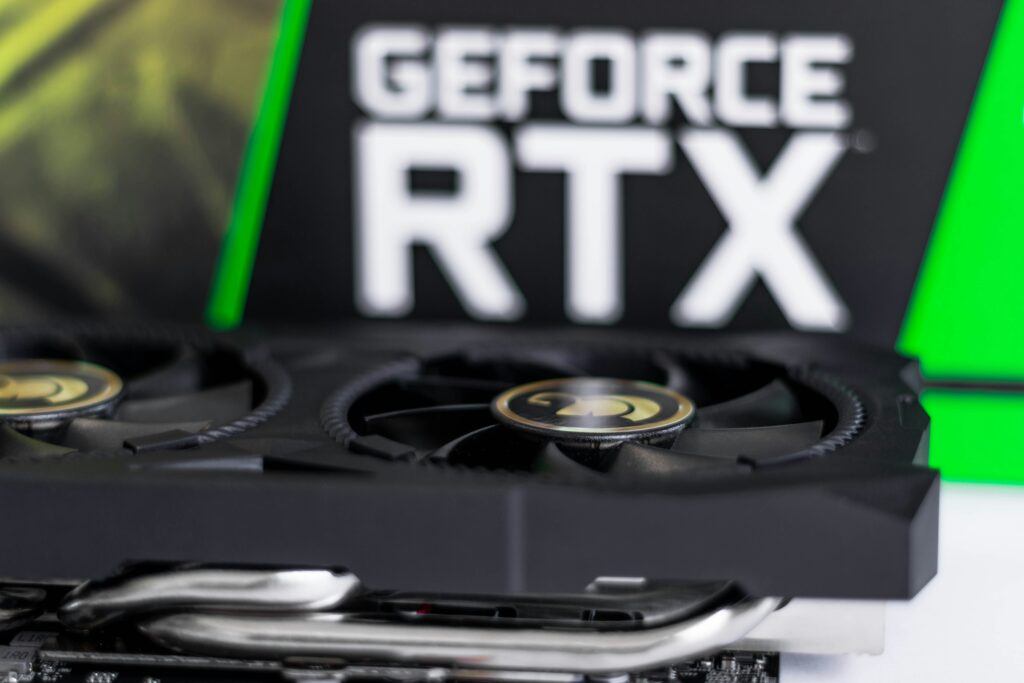
On March 18, 2024, at the GTC conference, NVIDIA officially introduced the Blackwell GPU architecture, marking what the company calls a pivotal moment in high-performance computing. Named after mathematician David Blackwell, this new architecture is designed to support the next generation of generative models and scientific discovery. While the initial technical whitepapers detail unprecedented parameter scaling, the industry is now shifting its focus toward the practical deployment of these massive chips within existing data center infrastructures.
Understanding the Blackwell Architecture Shift
At the core of the Blackwell B200 GPU is a staggering 208 billion transistors, manufactured using a custom-built 4NP TSMC process. NVIDIA’s engineering team has focused heavily on interconnectivity, introducing the fifth-generation NVLink. This allows for seamless communication between GPUs, which is critical for large-scale distributed computing. According to official reports from The Verge, the architecture aims to significantly reduce the energy costs associated with training massive models compared to the previous Hopper generation.
The Impact on Enterprise Workflow
For organizations currently scaling their digital transformation efforts, the hardware transition is significant. Implementing Blackwell-based systems requires a rethink of cooling solutions and power distribution. Companies are now looking at high-density racks that can support the increased thermal output of these powerful units. If your organization is navigating the complexities of hardware procurement for future-proofing your tech stack, read our guide on Optimizing Tech Infrastructure for Growth to ensure your operations remain agile.
Expert Industry Projections
Market analysts suggest that the Blackwell GPU is not just a hardware update but a foundational shift in how industries approach computational research. By lowering the cost of inference, companies can move beyond simple automation into complex, predictive modeling. However, supply chain constraints remain a critical point of concern. As global demand for high-end hardware continues to outstrip production capacity, businesses that engage with strategic technology consultants will likely secure preferential access to these limited, high-performance assets.
Conclusion
The NVIDIA Blackwell platform stands as a testament to the pace of hardware innovation. While the specifications are impressive, the true value lies in the operational efficiency and competitive advantage it provides to early adopters. As we move further into the year, tracking how these GPUs are integrated into cloud ecosystems will be the next major trend to watch.