
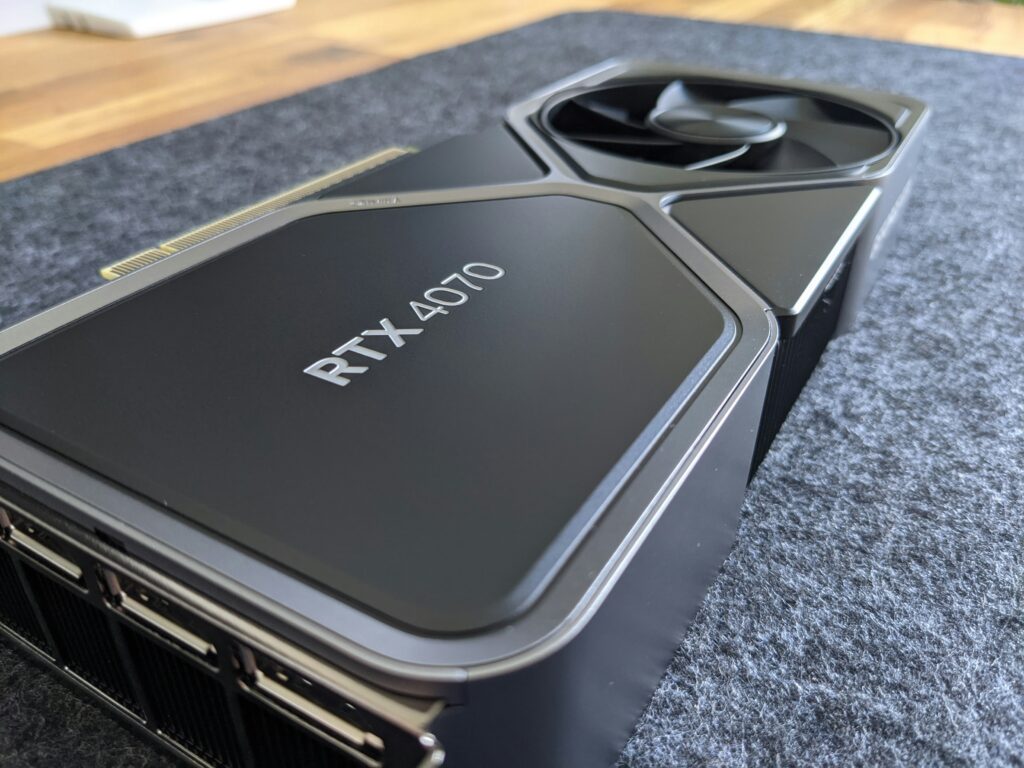
The Architecture Behind the Breakthrough
Announced as a successor to the highly successful Hopper architecture, the NVIDIA Blackwell GPU represents a monumental leap in hardware engineering. By utilizing a multi-die design and sophisticated interconnect technology, NVIDIA has managed to squeeze a staggering 208 billion transistors into a single package. This isn’t merely an incremental upgrade; it is a fundamental rethinking of how data flows through silicon. According to The Verge, the architecture introduces a second-generation Transformer Engine that dramatically accelerates performance for large-scale language models.
Data-Driven Performance Metrics
In the world of professional consulting, we prioritize metrics over marketing hype. Recent benchmarks suggest that the Blackwell B200 GPU can handle training workloads up to four times faster than its predecessor, the H100. For enterprises managing massive data lakes, this translates to reduced latency and significantly lower power consumption per unit of compute. It is a critical development for firms looking to optimize their workflow automation pipelines while keeping operational overheads in check.
The Impact on Industrial Computing
Industries ranging from logistics to healthcare are already eyeing Blackwell as the backbone for their next-gen infrastructure. The hardware is designed not just for pure speed, but for scalability. By enabling massive, interconnected GPU clusters, companies can execute real-time simulations that were previously impossible due to thermal or throughput limitations. This capacity for hyper-scaling ensures that future-proofing your IT stack now involves considering hardware capable of handling modular, multi-GPU environments.
Expert Predictions and Industry Sentiment
Industry analysts maintain that while the hardware is revolutionary, the true value lies in the accompanying software ecosystem. NVIDIA is positioning its software stack to ensure that migrating existing workloads to Blackwell architecture remains as seamless as possible. Looking ahead, we expect to see a democratization of this high-end power as cloud service providers begin to integrate Blackwell units into their standard offering. For businesses, this means the barrier to entry for top-tier compute power is lowering, allowing even mid-sized enterprises to leverage high-performance hardware that was once reserved for tech giants.
As we monitor these advancements, it is clear that hardware innovation remains the primary driver of digital transformation. Staying informed about these shifts allows leadership teams to make data-backed decisions that align with long-term technological stability and growth.