
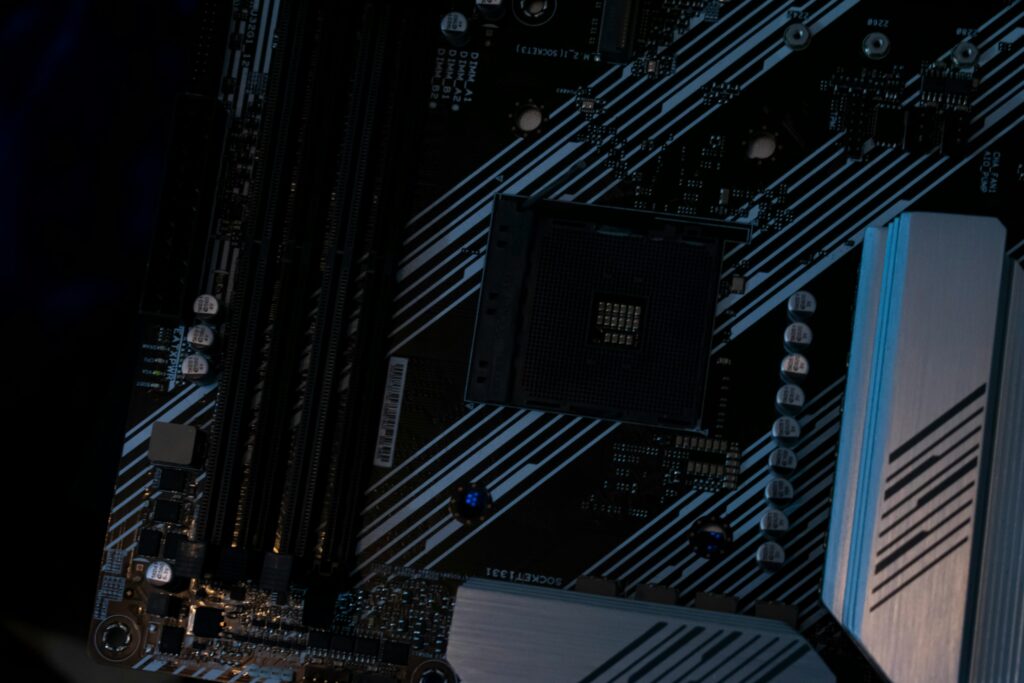
Nvidia’s announcement regarding the scaling of its Blackwell architecture marks a pivotal moment in the hardware industry. As of October 2024, Nvidia confirmed that production is ramping up to meet unprecedented demand, following initial design adjustments. This GPU architecture is specifically engineered to provide the throughput necessary for the next generation of industrial-scale tasks, moving beyond traditional compute limits.
Understanding the Blackwell Architecture
At the core of the Blackwell platform is the integration of massive transistor counts—approximately 208 billion—built on a custom-designed process. This allows for significantly higher efficiency when managing parallel processing workflows. Unlike previous architectures, Blackwell focuses on reducing the energy-per-watt ratio while maximizing the data transmission speeds between GPUs, which is critical for companies managing large-scale infrastructure.
Impact on Global Tech Infrastructure
For organizations, the hardware shift represents a chance to rethink their IT stack. By leveraging the computational density provided by these next-gen units, businesses can reduce the physical footprint of their data centers while simultaneously expanding their processing power. This is particularly relevant for firms scaling up their digital workflows, as detailed in our guide on server optimization.
Expert Insights and Market Sentiment
Industry analysts, including those from The Verge, have highlighted that the supply chain constraints previously surrounding this hardware are beginning to ease. While initial projections faced skepticism regarding production speed, the consensus now leans toward a major shift in enterprise hardware procurement heading into 2025. Experts suggest that the primary value of Blackwell lies in its ability to support multi-node systems that operate with near-zero latency, a feat previously considered unreachable at scale.
The Future of Hardware Automation
Looking ahead, the focus will likely shift from raw processing power to the integration of these GPUs into unified hardware-software ecosystems. We expect that as the availability of Blackwell-based systems broadens, we will see a surge in the implementation of automated data centers that require minimal human intervention to maintain peak efficiency. For IT leaders, this means preparing for a shift in hardware lifecycle management, where the priority is no longer just procurement, but the continuous optimization of existing high-performance assets.