
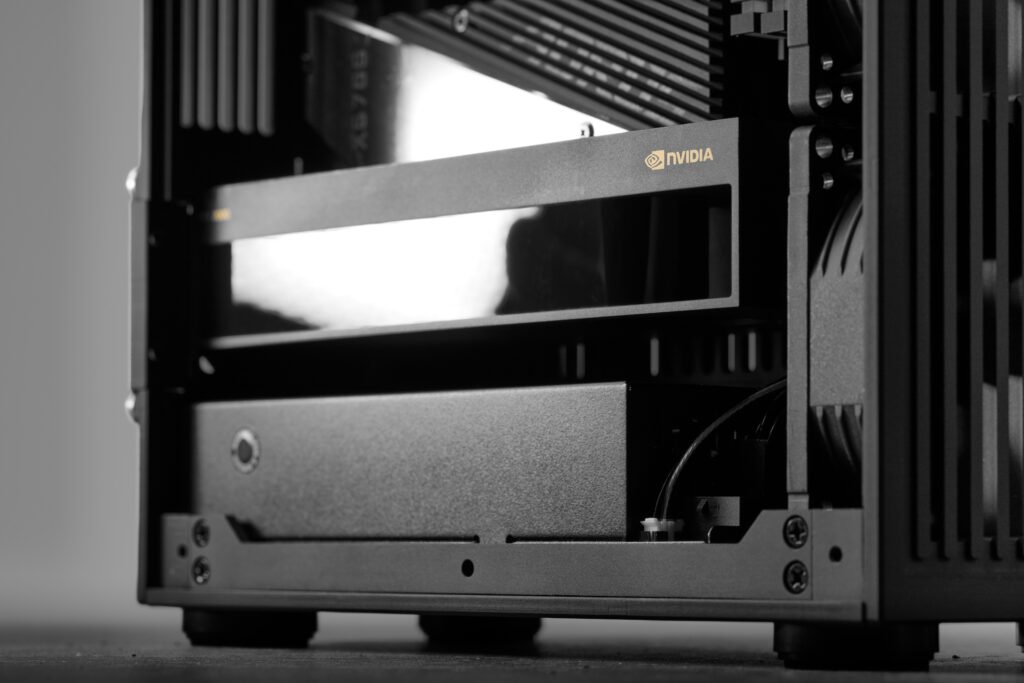
In early 2024, Nvidia officially unveiled its Blackwell GPU architecture, designed to provide a massive jump in processing capabilities for global data centers. Recent industry reports confirm that the production of these chips is currently scaling up to meet overwhelming demand from hyperscale cloud providers. Unlike previous architectures, Blackwell focuses on massive scale-out capabilities, integrating multiple GPU dies into a single, cohesive processing unit.
The Engineering Behind the Blackwell Architecture
The core of this innovation lies in the B200 and GB200 configurations. According to official disclosures, the architecture is engineered to provide significantly higher performance-per-watt ratios compared to the Hopper generation. This is achieved through advanced packaging technology, which allows for ultra-high-speed communication between memory and logic components. This is not just an incremental speed boost; it is a fundamental reconfiguration of how hardware interfaces with massive datasets.
Impact on Industrial Workflows
For organizations, the implications of this hardware rollout are profound. As detailed in a recent report by The Verge, the energy requirements for training and running complex models are at an all-time high. The efficiency gains inherent in Blackwell architecture mean that companies can theoretically achieve greater computational output without a linear increase in power consumption. This allows consulting firms and tech-forward enterprises to streamline workflows that were previously deemed too energy-intensive or slow for real-time implementation.
Expert Projections and Market Integration
Market analysts suggest that we are entering a phase where hardware capability is finally catching up to the ambitious theoretical frameworks of the last few years. While the market is currently navigating supply constraints, the consensus remains that Blackwell will set the industry standard for the next three to five years. For further insights on how hardware integration impacts your business, read our previous analysis on optimizing legacy infrastructure for modern workloads.
Looking Ahead
As the rollout continues, the focus will shift from raw processing power to the optimization of the software ecosystems that support these GPUs. Organizations should begin evaluating their existing hardware lifecycle strategies to determine when and how to integrate these next-gen components. Whether you are managing large-scale enterprise data or specialized industrial automation, staying ahead of hardware cycles is essential for maintaining a competitive edge in a fast-paced market.