
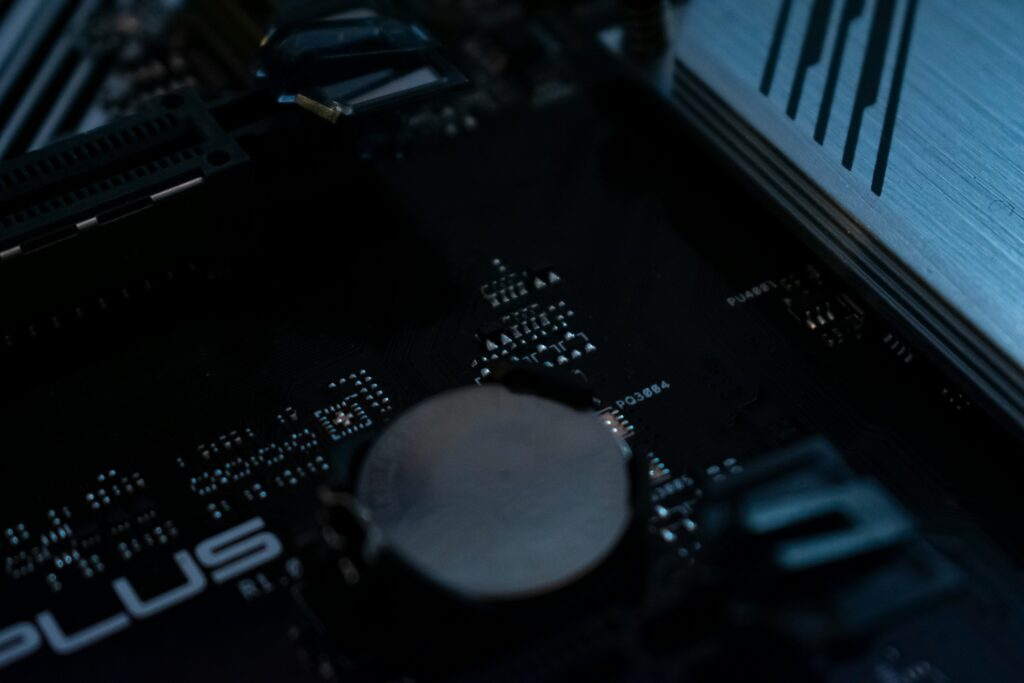
Nvidia recently accelerated its presence in the hardware sector with updates regarding the highly anticipated Blackwell B200 GPU. Originally unveiled during the GTC 2024 conference, the platform is now moving toward broader availability, aiming to solve the bottleneck issues currently faced by AI-heavy enterprises. Industry analysts are closely watching these developments as the hardware promises to be a game-changer for data-intensive business operations.
The Technical Leap: Beyond Conventional Architecture
The Blackwell architecture is engineered as a multi-die GPU design, effectively bonding two silicon dies into a single, cohesive processing unit. According to official technical specifications shared by Nvidia, this approach provides a substantial increase in memory bandwidth and floating-point performance compared to the previous Hopper architecture. For consulting firms and technical architects, this hardware iteration isn’t just about speed; it is about density and thermal efficiency, allowing companies to rack more compute power into smaller data center footprints.
Strategic Impact on Enterprise Workflow
As firms continue to automate complex workflows, the need for underlying hardware that doesn’t buckle under heavy loads becomes paramount. The integration of Blackwell GPUs enables businesses to run larger, more sophisticated models with significantly reduced latency. As discussed in our previous analysis on scaling infrastructure, hardware selection is the bedrock of successful digital transformation. Reliable hardware directly correlates to the efficiency of automated systems.
Industry Sentiment and Market Reception
Leading voices in the semiconductor industry, including reporting from Bloomberg Tech, have highlighted the immense pressure on the supply chain to meet the demand for these chips. Major cloud providers are currently prioritizing their integration, suggesting that this hardware will become the new standard for enterprise-level operations by next year. However, it is important to note that full-scale deployment is a complex logistical process, and industry experts advise companies to plan their infrastructure upgrades well in advance to account for potential wait times.
Looking Ahead: The Future of Compute
What does this mean for the average enterprise? We predict a move toward smaller, more focused clusters of powerful hardware rather than massive, inefficient server rooms. The power efficiency of the Blackwell series suggests that companies will be able to perform high-level simulations and automated data processing at a fraction of the electricity cost. While we are still seeing early-stage adoption, the trajectory is clear: hardware is no longer just a support layer; it is the core driver of innovation for the next decade.
Ultimately, the transition to next-gen hardware requires careful planning. Companies should focus on how their software stack interacts with these new architectures to ensure they get the most value out of their investments. Whether your team is just starting to upgrade or is already knee-deep in hardware procurement, staying informed is the best strategy for success.