
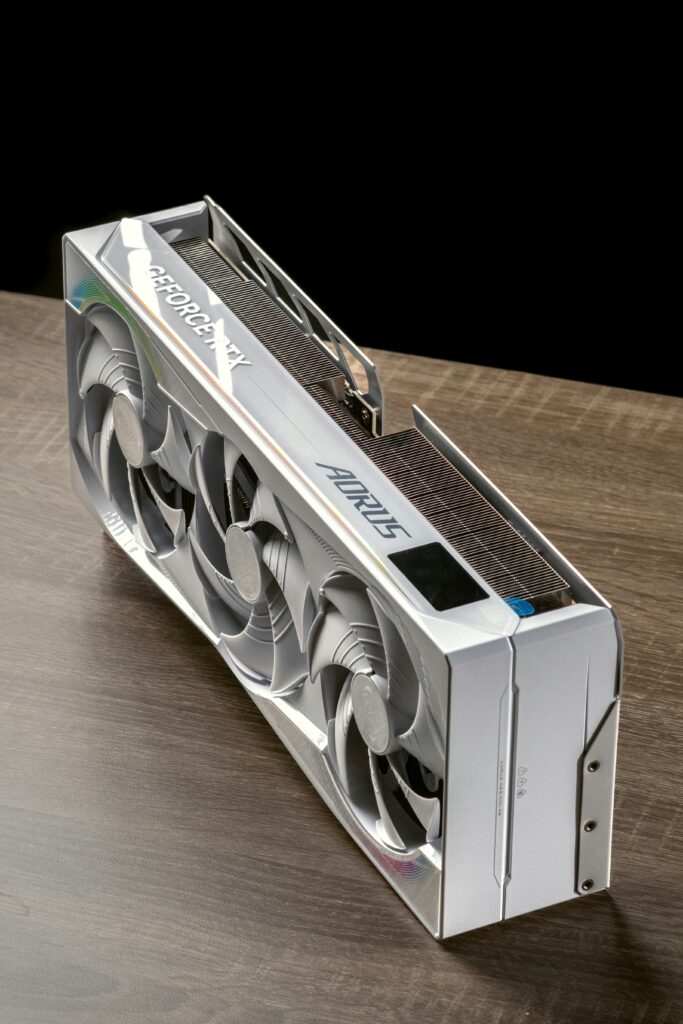
The evolution of graphics processing units (GPUs) stands as a testament to humanity’s relentless pursuit of visual fidelity and computational power. From rendering simple polygons to orchestrating complex AI models, GPUs have transformed from niche components into the central nervous system of modern computing. Nvidia, a titan in this arena, consistently leads the charge, and the whispers surrounding its forthcoming generation of consumer graphics cards are growing louder. While specific consumer product announcements remain under wraps, the foundational architectural shifts observed in their data center initiatives offer tantalizing clues about the future of consumer-grade hardware.
The Dawn of a New Architecture: Lessons from Blackwell
In March 2024, at its annual GTC conference, Nvidia officially unveiled the Blackwell architecture, succeeding Hopper as its flagship platform for AI and high-performance computing. While Blackwell itself is designed for data centers—powering the monumental growth in large language models and scientific simulations—its underlying design principles and innovations inevitably influence the trajectory of future consumer GPUs. Blackwell’s key advancements include a second-generation Transformer Engine, which significantly enhances AI training and inference capabilities, and the integration of NVLink 5.0 for unprecedented inter-GPU communication bandwidth. Furthermore, its advanced packaging technologies and highly efficient chiplet design signal a new era of silicon engineering.
Industry analysts, including those from The Verge, have meticulously detailed Blackwell’s specifications, highlighting its dual-die design that allows for immense scalability and computational density. While consumer GPUs will not adopt the exact configurations of server-grade Blackwell chips, the architectural philosophies—such as improved power efficiency at higher performance levels, specialized processing blocks for emerging workloads, and innovative memory subsystems—are direct harbingers for the next GeForce RTX series. This top-down innovation cascade is a hallmark of Nvidia’s strategy, ensuring that breakthroughs in the most demanding environments eventually benefit end-users.
What to Expect from Future GeForce RTX Series
Leveraging insights from Blackwell and persistent industry rumors, we can project several significant advancements for Nvidia Next-Gen GPUs.
Performance Leaps and Efficiency Gains
Each new GPU generation from Nvidia typically delivers substantial performance uplifts, often targeting a 50-100% improvement over its predecessor in specific workloads. For the next GeForce RTX series, performance-per-watt is expected to be a critical focus. With increasing energy costs and environmental concerns, delivering more frames for fewer watts is paramount. This will likely be achieved through refined process nodes (e.g., TSMC’s 3nm or 4nm variants), optimized microarchitectures, and sophisticated power management techniques. Ray tracing and path tracing acceleration will undoubtedly see significant enhancements, as these demanding rendering methods continue to define cutting-edge visual fidelity in games. Rumors also suggest the adoption of GDDR7 memory, offering higher bandwidth and lower latency compared to current GDDR6X, which would be crucial for feeding the increasingly hungry GPU cores.
Evolution of AI and Upscaling Technologies
Nvidia’s Deep Learning Super Sampling (DLSS) has become a transformative technology, using AI to upscale lower-resolution images to higher resolutions with remarkable quality. For Nvidia Next-Gen GPUs, we anticipate further iterations of DLSS, potentially DLSS 4, which could leverage more advanced Tensor Cores and improved AI algorithms for even greater fidelity and performance gains. Beyond upscaling, AI’s role in rendering is expanding, from intelligent scene optimization to procedural content generation and advanced physics simulations, all of which will be accelerated by enhanced on-chip AI capabilities. The integration of AI directly into the rendering pipeline moves beyond just upscaling, enabling more dynamic and responsive game worlds.
Redefining Connectivity and Integration
As display technologies advance, so too must the interfaces connecting GPUs to monitors. Future GeForce cards are likely to embrace DisplayPort 2.1, offering significantly higher bandwidth to support 8K resolutions at higher refresh rates or even uncompressed 4K at extremely high refresh rates. Furthermore, the industry is gradually moving towards PCIe 6.0, and while current games rarely saturate PCIe 4.0, future architectures could be designed with PCIe 6.0 readiness in mind, ensuring ample bandwidth for data transfer between the CPU and GPU, especially crucial for data-intensive applications and upcoming DirectStorage-like technologies. Choosing the right components in a PC build becomes even more critical with these advancements.
Impact on the Gaming and Creative Industries
The arrival of Nvidia Next-Gen GPUs promises to reshape both how we game and how professionals create digital content.
Immersive Gaming Experiences
For gamers, the most immediate impact will be the ability to experience games at unprecedented levels of realism and fluidity. Truly photorealistic graphics, powered by advanced path tracing, will become more attainable at 4K and even 8K resolutions, even with high refresh rates. The sheer computational power will also elevate virtual reality (VR) and augmented reality (AR) experiences, reducing motion sickness by sustaining higher frame rates and enabling more complex virtual worlds. New game design paradigms may emerge, taking full advantage of the hardware’s capabilities to deliver more dynamic environments, sophisticated AI, and unparalleled visual immersion.
Empowering Professionals and Creators
Beyond gaming, professionals in fields such as 3D animation, video editing, architectural visualization, and scientific research will see massive gains. Faster rendering times, accelerated AI model training, and smoother real-time previews will significantly boost productivity. Artists and engineers can tackle more ambitious projects with greater efficiency, democratizing access to computing power that was once exclusive to high-end workstations or server farms. This advancement ensures that the tools of innovation remain sharp, fueling breakthroughs across diverse industries.
The Competitive Landscape and Market Dynamics
Nvidia operates within a fiercely competitive market, with AMD’s Radeon GPUs and Intel’s Arc series constantly pushing the boundaries. This rivalry is a net positive for consumers, driving relentless innovation in performance, features, and pricing. While Nvidia has historically held a commanding lead in the high-end segment, the pressure from competitors encourages more aggressive technological advancements and potentially more competitive pricing strategies for *Nvidia Next-Gen GPUs*. Moreover, broader market dynamics, such as the increasing popularity of cloud gaming and a growing emphasis on sustainable, energy-efficient computing, will also influence design choices and market positioning for these future graphics cards.
Expert Outlook: Shaping the Future of Graphics
While official names and specifications for Nvidia’s next consumer GPU architecture (rumored to be ‘Rubin’ or ‘Vera’ after Ada Lovelace) are still speculative, industry analysts and technology journalists widely anticipate a significant architectural overhaul. Experts expect a strong focus on enhancing ray tracing performance, further integrating AI capabilities beyond just DLSS, and ensuring power efficiency remains a key metric. The trend suggests a future where GPUs are not just rendering engines but sophisticated parallel processors capable of handling an increasingly diverse range of computational tasks, blurring the lines between traditional graphics and general-purpose computing. The consistent drive towards higher fidelity and more immersive experiences remains the core motivator.
The forthcoming generation of Nvidia Next-Gen GPUs represents more than just an incremental upgrade; it signifies a pivotal moment in hardware evolution. These advancements promise to unlock new realms of visual possibility, empower creators with unparalleled tools, and push the boundaries of immersive digital experiences. As we look ahead, the industry watches with bated breath for the official unveiling, ready to embrace the next era of computational graphics.