
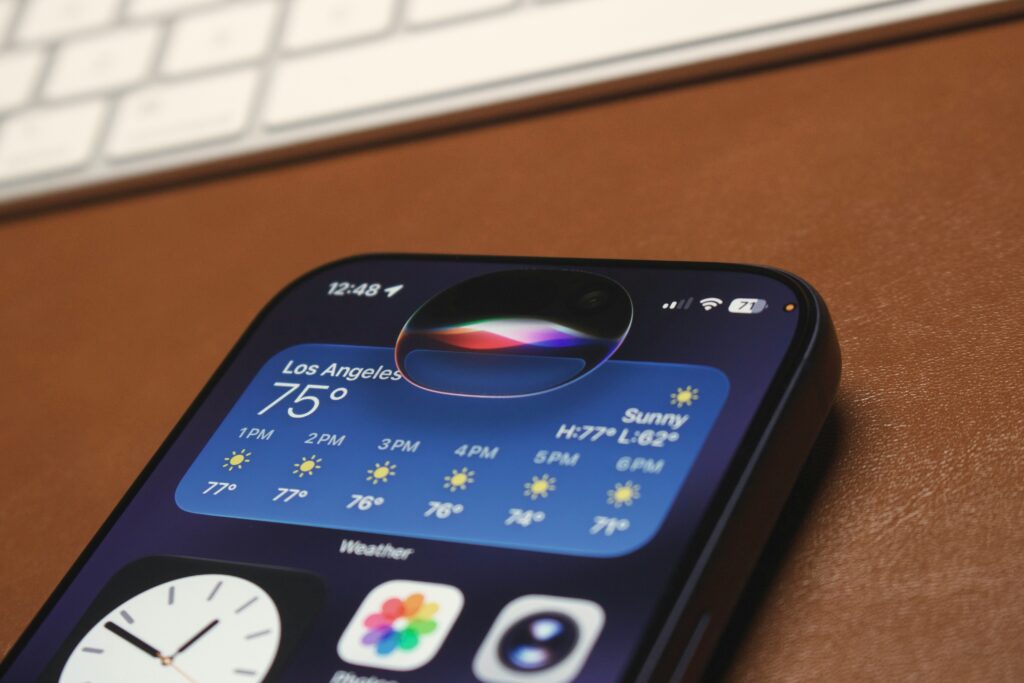
The technology world buzzed with anticipation leading up to Apple’s annual Worldwide Developers Conference (WWDC) on June 10, 2024, and the company delivered a monumental announcement: “Apple Intelligence.” This isn’t just another AI gimmick; it represents a comprehensive, deeply integrated, and privacy-focused approach to bringing generative artificial intelligence capabilities directly to the user’s everyday Apple devices. This strategic move positions Apple firmly in the generative AI race, emphasizing personalization, context, and, crucially, user data protection.
Apple Intelligence is designed to enhance productivity, communication, and creative expression across the iPhone, iPad, and Mac. Its core functionalities range from sophisticated writing tools that can rewrite, proofread, and summarize text, to innovative image generation capabilities like Image Playground for creating personalized visuals. Siri, Apple’s long-standing virtual assistant, receives a significant overhaul, gaining a much deeper understanding of user context, natural language, and the ability to perform actions across apps. For example, Siri can now understand requests like “Show me the photos of my mom from last summer’s hike” and intelligently locate them, or “Find the email from [person’s name] about the project meeting” and summarize its key points.
The Pillars of Apple Intelligence: On-Device Processing and Private Cloud Compute
A central tenet of Apple Intelligence is its commitment to privacy. Apple has meticulously engineered the system to perform as many AI tasks as possible directly on the device, leveraging the powerful Apple Silicon chips (A17 Pro and M-series) found in its latest hardware. This on-device processing ensures that personal data remains on the user’s device, never leaving it for common tasks. This approach minimizes latency and maximizes data security, a critical differentiator in an era of increasing concerns about data privacy.
For more complex generative AI tasks that require greater computational power, Apple introduced an innovative solution called “Private Cloud Compute” (PCC). This system extends Apple’s secure enclave architecture to dedicated cloud servers running on Apple Silicon. When a request necessitates cloud processing, the user’s data is encrypted, sent to these secure servers, processed, and then the results are returned. Crucially, Apple states that these servers do not store user data and are cryptographically verified to run only Apple-approved software. This hybrid approach aims to offer the best of both worlds: robust on-device capabilities for everyday use and secure, scalable cloud processing for advanced functions, all while maintaining Apple’s stringent privacy standards.
Integrating Generative AI into Everyday Workflows
The practical implications of Apple Intelligence for both individual users and the enterprise sector are profound. For professionals, the new writing tools can significantly streamline document creation, email composition, and presentation crafting. Imagine drafting a challenging email, then having Apple Intelligence suggest improvements in tone, clarity, and conciseness with a single tap. Or, quickly summarizing a lengthy research paper or a complex meeting transcript. These features aren’t just novelties; they are productivity multipliers that can help individuals and teams work smarter and faster.
The enhanced Siri, with its deeper app integration and contextual awareness, transforms from a simple command processor into a genuinely intelligent assistant. It can connect disparate pieces of information, retrieve relevant data from various applications, and perform multi-step actions on behalf of the user. For a consultant managing multiple projects, this could mean asking Siri to “Pull up the latest client report from [app name] and cross-reference it with the meeting notes from last week in [notes app] to highlight action items.” This level of seamless integration across the Apple ecosystem promises to eliminate friction in daily digital workflows.
Impact on Industries and the Competitive Landscape
Apple’s authoritative entry into generative AI sends ripples across the tech industry. It validates the importance of on-device AI processing and elevates privacy as a paramount feature in AI offerings. Competitors like Google, Samsung, and Microsoft, who have also been pushing on-device AI and cloud AI integration, will likely face increased pressure to match Apple’s robust privacy guarantees and seamless user experience. This focus on local processing, combined with secure cloud augmentation, sets a new benchmark for what users can expect from intelligent systems.
For technology consulting firms like ByteTechScope, Apple Intelligence presents both opportunities and challenges. Businesses using Apple hardware extensively will need guidance on how to best leverage these new capabilities for improved employee productivity, secure data handling within the new Private Cloud Compute framework, and developing custom applications that can tap into Apple Intelligence APIs. Understanding the implications for corporate data policies, security protocols, and employee training will be crucial. Consultants will play a vital role in helping organizations navigate this new era of intelligent systems, ensuring responsible adoption and maximizing business value.
Furthermore, the integration of OpenAI’s ChatGPT into Apple Intelligence, offered as an opt-in service for advanced queries, demonstrates a pragmatic approach by Apple. While Apple builds its foundational models, partnering with a leading external provider for specific, more open-ended generative tasks ensures users have access to a wide array of capabilities from day one. This also highlights a potential shift in how companies approach AI development – a mix of proprietary innovation and strategic partnerships.
The Road Ahead: Predictions and Expert Opinions
The initial rollout of Apple Intelligence, expected with iOS 18, iPadOS 18, and macOS Sequoia in Fall 2024, marks just the beginning. We anticipate a rapid evolution of these capabilities, with Apple continuously refining its models and expanding integration across its hardware and software ecosystem. The emphasis on personalization and on-device intelligence suggests a future where our devices are not just tools, but highly capable, context-aware assistants that truly understand our individual needs and preferences.
Experts widely agree that Apple’s privacy-first approach to AI could become a significant differentiator. “Apple’s focus on privacy with Private Cloud Compute could set a new industry standard for how personal AI is delivered,” commented one industry analyst. This strategy might encourage other tech giants to bolster their privacy features, leading to a net positive for consumers. The future of AI in business workflows will increasingly hinge on trust and secure data management, areas where Apple is making a strong statement.
In conclusion, Apple Intelligence is more than just a collection of new features; it’s a strategic vision for the future of personal computing, deeply rooted in AI. By prioritizing privacy, integrating intelligence seamlessly across its ecosystem, and leveraging its powerful silicon, Apple is poised to redefine how intelligent systems empower users and transform industries. For organizations, understanding and strategically adopting these advancements will be key to unlocking new levels of efficiency and innovation.