
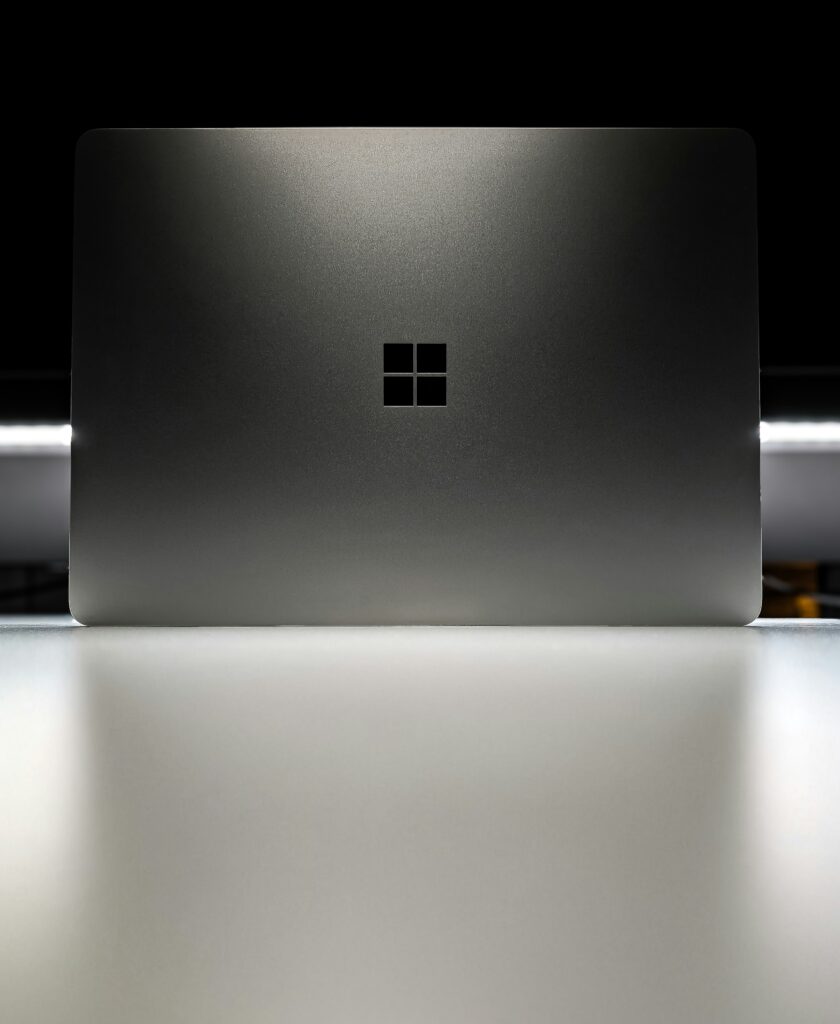
Qualcomm officially launched its Snapdragon X Elite processor line earlier this year, marking a significant push into the competitive PC market. With a focus on delivering exceptional power efficiency combined with robust performance, these chips are designed to challenge the dominance of traditional x86 architectures from Intel and AMD, while offering a compelling alternative to Apple’s M-series silicon in the Windows ecosystem. Initial devices featuring the Snapdragon X Elite, including models from Microsoft, Dell, HP, and Lenovo, began appearing in the market around mid-2024, ushering in a new generation of ‘Copilot+ PCs’ with enhanced AI capabilities built directly into the hardware.
Early independent reviews and benchmark data have provided the first crucial insights into the Snapdragon X Elite’s real-world capabilities. Across various testing platforms, the chip has demonstrated strong multi-core CPU performance, often rivaling or exceeding certain configurations of Intel’s Core Ultra processors and showing competitive scores against Apple’s M3 chips in specific workloads. For instance, in synthetic benchmarks like Geekbench, the Snapdragon X Elite has shown impressive numbers, particularly in multi-threaded tasks, suggesting excellent potential for heavy-duty productivity applications and creative tasks. GPU performance, powered by Qualcomm’s Adreno graphics, also shows significant improvements over previous generations of ARM-based Windows devices, making casual gaming and demanding graphic design work more feasible.
Beyond raw performance, battery life remains a major selling point for the Snapdragon X Elite. Qualcomm’s claims of multi-day battery life for some devices, while subject to real-world variability, have been largely substantiated by initial tests. Reviewers consistently highlight the exceptional endurance these laptops offer, making them ideal for mobile professionals who require sustained performance away from a power outlet. The integrated Neural Processing Unit (NPU) is another critical component, designed to accelerate AI-specific workloads like real-time language translation, advanced image editing, and Windows’ new Copilot+ features, promising a more responsive and intelligent user experience.
However, the transition to ARM-based Windows machines isn’t without its challenges. Software compatibility, while significantly improved since the early days of Windows on ARM, remains a point of scrutiny. While native ARM64 applications run flawlessly, and Microsoft’s Prism emulator has made great strides in running x86/x64 applications, there can still be performance overheads or occasional compatibility issues with older or highly specialized software. This means potential users, especially in niche professional fields, should verify the compatibility of their essential tools before making the switch. Despite these hurdles, the sheer efficiency gains and the promise of a truly ‘always-on’, always-connected PC experience are powerful motivators for adoption.
The impact of the Snapdragon X Elite extends beyond individual user experience; it signifies a pivotal moment for the entire PC industry. For years, Intel and AMD have dominated the Windows laptop landscape. Qualcomm’s strong entry, backed by Microsoft’s commitment to the Copilot+ PC initiative, introduces much-needed competition, potentially driving innovation across all platforms. This could lead to a more diverse range of laptop designs, better power efficiency standards, and a faster integration of AI capabilities into everyday computing. Industry analysts predict that the success of the Snapdragon X Elite will heavily influence Microsoft’s long-term strategy for Windows on ARM, potentially paving the way for future ARM-based server solutions and even gaming platforms.
Looking ahead, the future for Snapdragon X Elite-powered laptops appears promising. As more native ARM64 applications become available and Microsoft continues to refine its emulation layer, the performance gap for x86 applications is expected to narrow further. We anticipate a rapid evolution in NPU capabilities, pushing the boundaries of on-device AI and enabling new workflows that were previously reliant on cloud computing. Expert opinions suggest that while the initial wave of Snapdragon X Elite devices targets mainstream productivity and creative users, future iterations could see these chips powering more specialized workstations and even high-performance gaming machines, given Qualcomm’s proven track record in mobile graphics.
In conclusion, the Snapdragon X Elite is not just another processor; it represents a significant leap forward for Windows laptops, particularly for those prioritizing exceptional battery life, silent operation, and integrated AI capabilities. While software compatibility remains a consideration, the benefits in terms of efficiency and sustained performance are undeniable. As more devices enter the market and software developers embrace the ARM architecture, the Snapdragon X Elite is set to reshape our expectations for portable computing. To learn more about the broader shifts in technology and how they impact business, explore The Future of AI PCs.
For a detailed technical deep dive into the Snapdragon X Elite’s architecture and performance benchmarks, we recommend reading The Verge’s comprehensive review.