
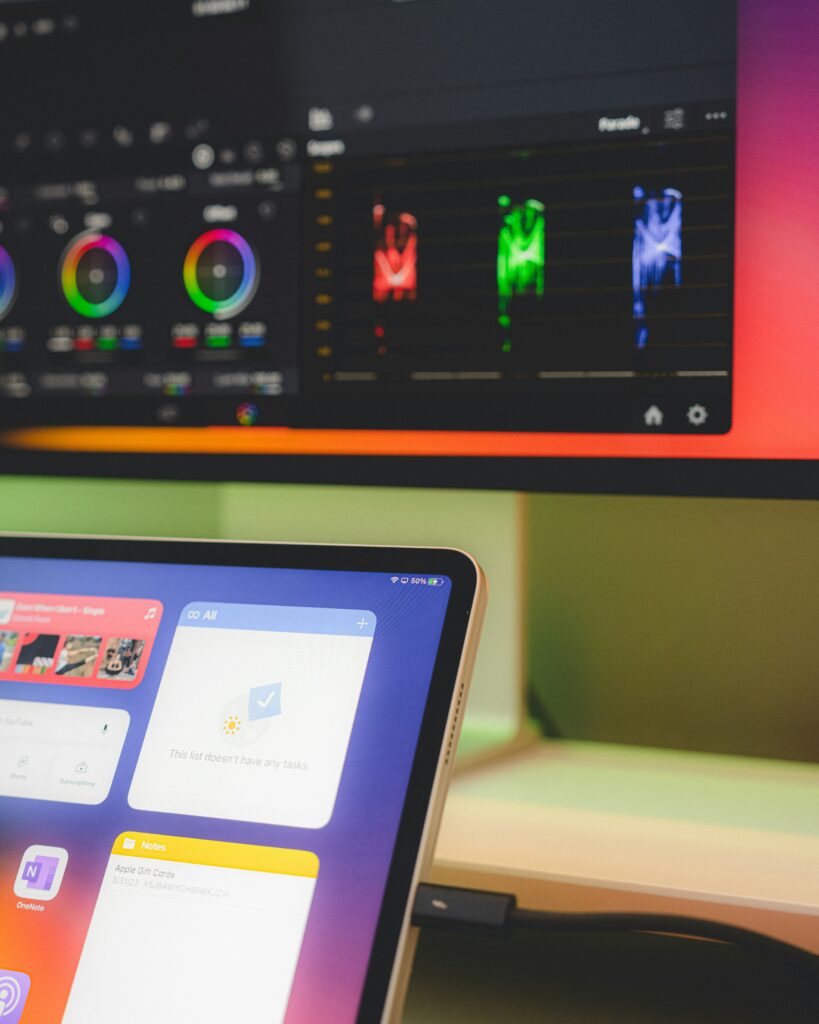
Apple’s annual Worldwide Developers Conference (WWDC) consistently sets the tone for the future of its operating systems, and this year’s event has brought significant, workflow-centric enhancements to iPadOS. While specific version numbers and feature names are often detailed post-announcement, the overarching theme points to a robust commitment to professional users. These updates, unveiled in early June 2024, aim to empower users with more efficient multitasking, intuitive file management, and seamless integration across the Apple ecosystem, moving the iPad closer to a complete workstation replacement for many.
The Demand for Desktop-Class Productivity on iPad
For years, power users and creative professionals have championed the iPad’s potential, often highlighting areas where its software experience fell short of desktop-grade flexibility. From more sophisticated window management to robust external display support, the community’s feedback has been consistent. Apple’s recent initiatives appear to directly address these long-standing requests, indicating a strategic shift towards fulfilling the iPad’s full potential as a primary computing device. These developments are not just incremental changes; they represent a fundamental reimagining of the user interface for complex tasks, leveraging the iPad’s powerful hardware more effectively than ever before.
Industry analysts and user surveys consistently show a growing segment of professionals attempting to use their iPads for mission-critical tasks, even with current software limitations. Data from various tech surveys (e.g., IDC or Gartner reports on tablet usage in enterprises) often highlight a desire for more robust multitasking and peripheral support. The latest iPadOS enhancements are a direct response to this market trend, enabling deeper integration of professional applications and more fluid transitions between tasks. For instance, improved drag-and-drop functionalities and enhanced keyboard shortcut support significantly reduce friction in complex workflows, a subtle yet profound change that experienced users will immediately appreciate.
Impact on Creative and Business Workflows
The implications of these advanced **iPadOS productivity** features are far-reaching, particularly for creative industries and business professionals. Artists, designers, and video editors who rely on apps like Procreate, Affinity Photo, or LumaFusion will find new avenues for managing multiple projects simultaneously, referencing source material, and exporting finished work with greater ease. Enhanced Stage Manager capabilities, for example, now allow for more flexible window resizing and arrangement, making it genuinely possible to run several applications side-by-side or in overlapping windows without feeling constrained.
For business users, the ability to manage complex spreadsheets, presentations, and communication tools simultaneously transforms the iPad into a more versatile office companion. Imagine drafting an email in Mail, referencing data in Numbers, and reviewing a PDF in Files—all within an optimized, responsive interface. This kind of fluid workflow has been a hallmark of desktop operating systems, and its robust implementation on iPadOS unlocks new efficiencies for mobile-first businesses and remote workers.
Key Enhancements for Pro Users:
- Refined Multitasking Interface: Expect more intuitive control over app windows, allowing for more precise arrangement and quick switching between contexts.
- External Display Support: While already present, further refinements are anticipated to make external monitor usage more seamless, potentially enabling more desktop-like experiences with extended workspaces.
- Improved File Management: Deeper integration with cloud services and enhanced local file system access will empower users to organize and retrieve documents with greater efficiency.
- Keyboard and Mouse Optimization: More natural cursor behavior and expanded shortcut support will further blur the lines between tablet and laptop interaction, catering to those who prefer physical peripherals.
These improvements collectively reduce the need to constantly switch between full-screen apps or navigate through cumbersome menus. They foster an environment where users can maintain focus on their core tasks, whether it’s intricate photo editing, complex coding, or detailed data analysis.
The Future of the iPad as a Primary Computing Device
With these significant strides in **iPadOS productivity**, the debate about whether an iPad can replace a laptop gains new momentum. While it may not fully supplant a high-end MacBook Pro for every niche professional, the gap for a large segment of users—including students, general business users, and many creative professionals—is narrowing considerably. The future likely holds even deeper integration of advanced features, potentially leveraging more of the M-series chip’s power for desktop-class applications and even more sophisticated peripheral support. This evolution signals Apple’s clear intent to position the iPad not just as a complementary device, but as a genuinely capable and often preferred primary computing solution.
Expert opinions suggest that Apple is carefully segmenting its market, ensuring that the iPad offers a distinct yet equally powerful experience. The focus isn’t on making the iPad a MacBook clone, but rather on harnessing its touch-first interface and portable form factor for unique productivity advantages. This means users will continue to benefit from its instant-on nature, incredible battery life, and superior touch interaction, now combined with a more robust software foundation for demanding tasks.
For users contemplating an upgrade or entry into the Apple ecosystem, these updates provide compelling reasons to consider the iPad as a central part of their workflow. It’s becoming less about compromise and more about choosing the best tool for the job, with the iPad now capable of tackling a wider array of professional demands than ever before. Discover how to further optimize your mobile workflows with our in-depth guides.
Conclusion
The latest enhancements to iPadOS mark a pivotal moment for the tablet’s role in professional environments. By addressing long-standing user needs and introducing more sophisticated multitasking and workflow tools, Apple has solidified the iPad’s position as a serious productivity contender. These updates provide honest insights into how to leverage your iPad more effectively, transforming it into a powerhouse for creative work, business operations, and academic pursuits. Users now have more powerful tools at their fingertips to choose smarter and work more efficiently.
Stay ahead of the curve! Follow ByteTechScope for more expert reviews, guides, and the latest in tech innovations.