
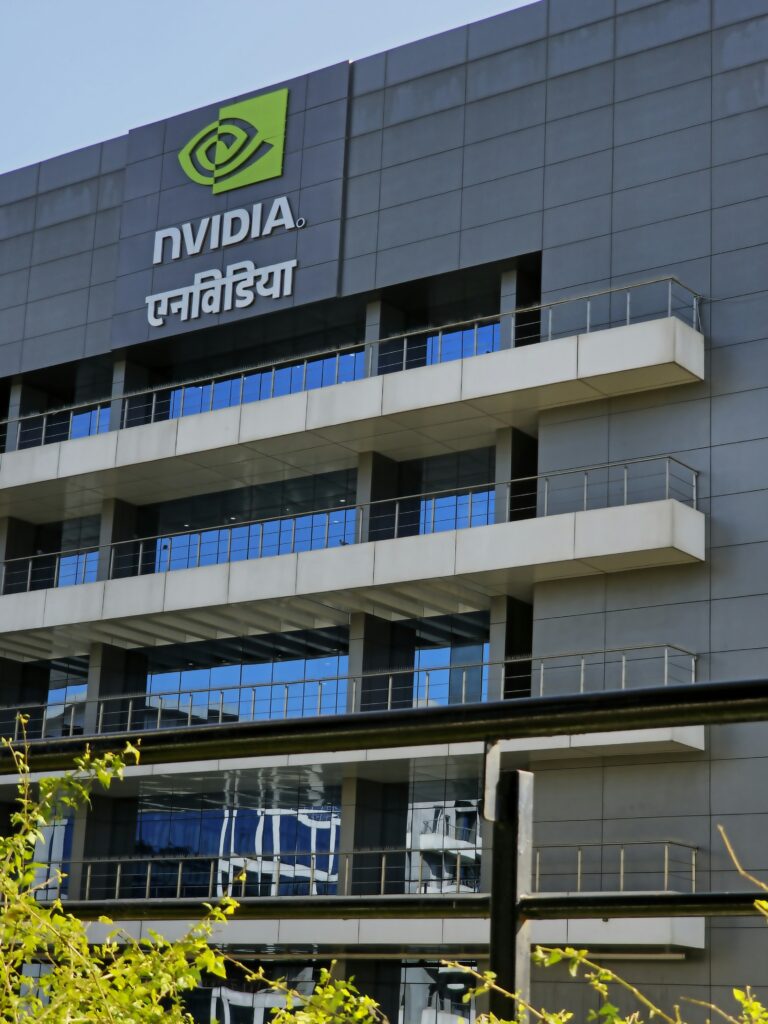
The Unstoppable Ascent of Nvidia in the AI Era
In recent weeks, Nvidia has once again captured global attention, with its market capitalization soaring to unprecedented levels, surpassing even long-established tech giants. This financial milestone, driven by its exceptional Q1 2024 earnings report announced on May 22, 2024, underscores the insatiable global demand for artificial intelligence hardware and software. The company reported record revenue, significantly exceeding analyst expectations, and provided robust guidance for the upcoming quarter, further solidifying investor confidence in its long-term growth trajectory.
Nvidia’s success is deeply rooted in its pioneering work in GPU (Graphics Processing Unit) technology. While initially designed for gaming, GPUs proved uniquely suited for the parallel processing demands of AI and machine learning workloads. This foresight positioned Nvidia perfectly at the dawn of the AI revolution, transforming it from a hardware component provider into the indispensable architect of modern AI infrastructure.
Beyond Silicon: Architecting the Enterprise AI Future
Nvidia’s dominance extends far beyond simply manufacturing powerful chips. The company has cultivated a comprehensive, full-stack ecosystem that includes high-performance GPUs like the Hopper and the recently announced Blackwell platforms, alongside specialized software frameworks such as CUDA and Omniverse, and advanced networking solutions. This integrated approach ensures seamless deployment and optimization of AI applications, making Nvidia the preferred partner for cloud service providers, data centers, and large enterprises worldwide.
This ecosystem is not merely about raw processing power; it’s about enabling complex AI models to run efficiently at scale. Enterprises grappling with vast datasets and computationally intensive tasks find Nvidia’s solutions invaluable for everything from natural language processing to advanced simulation and data analytics. The ongoing shift from general-purpose CPUs to specialized AI accelerators represents a fundamental re-architecture of traditional IT infrastructure, with Nvidia leading the charge.
Fueling Workflow Automation and Digital Transformation
The impact of Nvidia’s technology on enterprise operations, particularly in workflow automation and digital transformation, is profound. Its powerful GPUs and software platforms empower businesses to deploy sophisticated AI models that automate previously manual, repetitive, or complex tasks. This ranges from AI-powered predictive maintenance in manufacturing and supply chain optimization to automated customer service chatbots and hyper-personalized marketing campaigns.
For example, in financial services, Nvidia’s platforms enable real-time fraud detection and algorithmic trading. In healthcare, they accelerate drug discovery and medical imaging analysis. The ability to process and analyze massive amounts of data at unparalleled speeds allows organizations to gain deeper insights, make more informed decisions, and innovate faster. Consulting firms like ByteTechScope play a crucial role in helping enterprises navigate the complexities of integrating these advanced AI solutions, ensuring they are tailored to specific business needs and deliver tangible ROI. You can learn more about how intelligent systems are redefining operational efficiency by reading our article on Leveraging AI for Business Process Automation.
Strategic Imperatives: Navigating the AI Gold Rush
While Nvidia’s success paints a picture of boundless opportunity, the rapid pace of AI adoption presents significant strategic challenges for enterprises. High initial investment in AI infrastructure, the shortage of specialized AI talent, and the complex ethical considerations surrounding AI deployment are all hurdles that require careful planning and execution. Moreover, the competitive landscape is evolving, with rivals like AMD and Intel intensifying their efforts in the AI chip market, and hyperscale cloud providers developing their own custom AI silicon.
Despite these challenges, Nvidia CEO Jensen Huang’s vision for ‘accelerated computing’ and ‘industrial digitalization’ continues to resonate. He envisions a future where every industry, from manufacturing to healthcare, will leverage AI to transform their core operations. This future demands not just powerful hardware, but also robust software platforms, a vibrant developer ecosystem, and a clear strategic roadmap to integrate AI into every facet of the business. According to Bloomberg Technology on May 22, 2024, Nvidia’s surge past record valuations underscores the market’s belief in its ability to continue driving this transformation. Read more about Nvidia’s market surge here.
The Future of Enterprise AI: A ByteTechScope Perspective
Looking ahead, the demand for specialized AI infrastructure, led by Nvidia, shows no signs of abating. We anticipate continued innovation in chip architecture, further integration of AI capabilities at the edge, and the emergence of entirely new AI-driven business models. The convergence of AI with other cutting-edge technologies like the Internet of Things (IoT) and 5G will unlock even more possibilities for smart cities, autonomous systems, and highly personalized customer experiences.
For enterprises, this means a continuous need for strategic foresight and expert guidance. Harnessing the full potential of Nvidia’s powerful platforms requires not just purchasing the hardware, but also developing a clear AI strategy, optimizing workflows, ensuring data governance, and upskilling talent. The companies that successfully navigate these complexities will be the ones that truly lead their industries into the next era of digital innovation.