
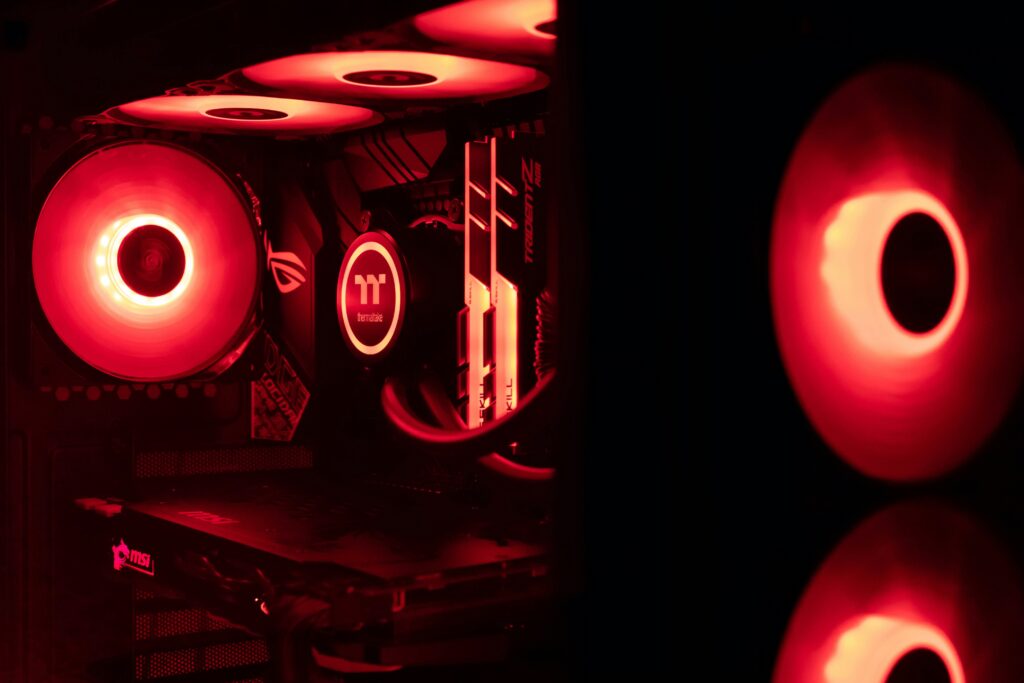
The landscape of computing is on the cusp of a significant transformation with the impending release of NVIDIA’s Blackwell architecture, expected to debut in the consumer-focused RTX 50 Series GPUs. While NVIDIA officially launched the data center-focused Blackwell chips, like the GB200, at GTC 2024, the underlying architecture provides a strong indication of what’s in store for the enthusiast segment. This next-generation platform is engineered to deliver unprecedented leaps in performance and efficiency, critical for driving advancements in gaming, professional visualization, and artificial intelligence.
Industry analysts and leaked information suggest that the NVIDIA RTX 50 Series, built on Blackwell, will feature significant architectural enhancements over the current Ada Lovelace (RTX 40 Series) generation. Key improvements are expected in areas such as ray tracing capabilities, tensor core performance for AI workloads, and overall rasterization efficiency. Reports from sources like Wccftech and VideoCardz, citing supply chain insights, indicate a move towards TSMC’s advanced process nodes, likely 3nm or 4nm, which will allow for higher transistor density and improved power efficiency. This shift is crucial for managing the increased complexity and core count anticipated in these new GPUs, ensuring a substantial performance uplift without proportional increases in power consumption.
The impact of the NVIDIA RTX 50 Series on various industries and users is expected to be profound. For gamers, Blackwell could unlock even higher frame rates at 4K resolutions, further pushing the boundaries of immersive experiences with advanced ray tracing and path tracing. Features like DLSS (Deep Learning Super Sampling) are also set to evolve, offering even greater image quality and performance boosts. Content creators and professional users, particularly those involved in 3D rendering, video editing, and CAD, will benefit from significantly accelerated workflows, reducing render times and improving real-time interaction with complex scenes. Furthermore, the enhanced AI capabilities of Blackwell will undoubtedly appeal to developers and researchers, providing more robust tools for training and deploying AI models locally.
Expert opinions from publications like TechCrunch highlight the broader strategic implications of Blackwell, positioning NVIDIA not just as a leader in gaming graphics, but as a pivotal player in the AI revolution. Analysts predict that the RTX 50 Series will likely launch starting in late 2024 or early 2025, with a staggered rollout of different SKUs, beginning with the flagship models. Pricing is always a topic of speculation, but given the current market trends and the expected performance gains, these cards are anticipated to maintain a premium position. The competitive landscape will also be shaped by AMD’s next-gen RDNA 4 architecture, which will undoubtedly challenge NVIDIA for market share, fostering innovation across the board.
In conclusion, the impending arrival of the NVIDIA RTX 50 Series, powered by the revolutionary Blackwell architecture, marks a thrilling chapter in hardware innovation. It promises to deliver a new echelon of performance and efficiency, propelling gaming, professional applications, and AI development into uncharted territories. As we inch closer to its official unveiling, the excitement within the tech community continues to build, anticipating a future where the boundaries of digital experiences are continually expanded. To optimize your current systems and prepare for these advancements, consider exploring our guide on Optimizing Workflows with Powerful Hardware to ensure you’re ready for the next wave of innovation. For more detailed insights into the industry’s predictions and latest updates, you can refer to leading tech publications such as The Verge.