
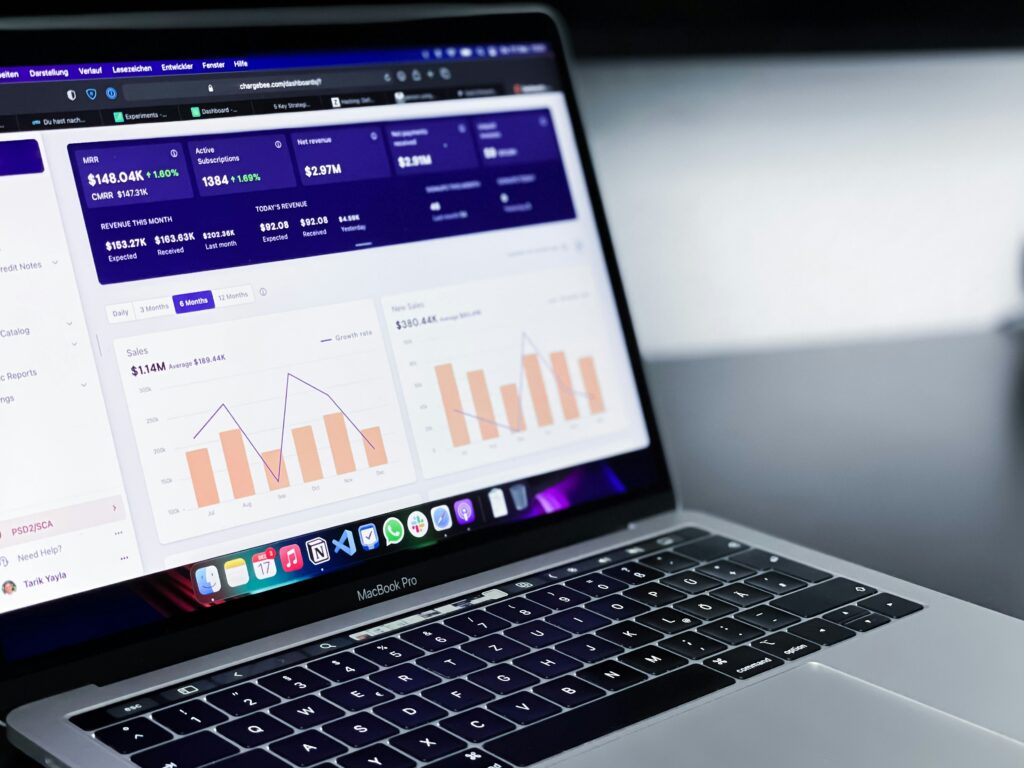
In today’s complex business world, organizations are constantly seeking ways to enhance efficiency, reduce operational costs, and improve overall productivity. The traditional approach of using numerous disparate applications, each serving a specific function, often leads to data silos, integration headaches, and a fragmented employee experience. This fragmentation prompted the significant trend towards adopting unified workflow platforms – comprehensive solutions designed to integrate various business processes and applications into a single, cohesive ecosystem.
The Evolution of Enterprise Workflow Management
The concept of workflow automation is not new, but what distinguishes the current generation of unified platforms is their breadth of integration and user-centric design. These platforms go beyond simple task automation; they provide a holistic environment where different departments, from HR and finance to sales and IT, can collaborate, manage projects, and execute processes without constant context switching. Recent market analyses from Q4 2023 and early 2024 indicate a surge in investment in these platforms, as companies recognize their pivotal role in accelerating digital transformation initiatives. This shift is not just about technological upgrade; it’s about reshaping organizational culture towards greater agility and interconnectedness.
Key Benefits and Transformative Industry Impact
The impact of adopting a unified workflow platform resonates across an organization, fundamentally transforming how work gets done. Firstly, it dramatically improves data visibility and accuracy. By centralizing information from various sources into a single pane of glass, decision-makers gain real-time, comprehensive insights, enabling more informed and agile responses to market changes. For instance, a recent report by Gartner highlighted that organizations leveraging integrated platforms could see up to a 30% reduction in data entry errors and a 20% improvement in reporting efficiency, directly influencing strategic planning and operational execution.
Secondly, these platforms foster unparalleled collaboration. Teams can seamlessly share documents, communicate through integrated messaging, and track project progress within a single, unified interface, effectively breaking down departmental silos. This leads to faster project completion times, fewer misunderstandings, and a more cohesive organizational culture where everyone is aligned with shared objectives. Consider a marketing team coordinating with sales and product development—a unified platform ensures everyone has access to the latest campaign assets and customer feedback.
Furthermore, the inherent automation capabilities within these platforms are a game-changer. They free up employees from repetitive, manual tasks, such as data entry and routine approvals, allowing them to focus on more strategic, creative, and value-added activities. This re-allocation of human capital is crucial for fostering innovation, driving growth, and enhancing employee satisfaction by reducing mundane work.
Driving Productivity, Reducing Technical Debt, and Future-Proofing Operations
Another compelling advantage of unified workflow platforms is their potential to significantly reduce technical debt. Instead of maintaining and integrating a patchwork of legacy systems and point solutions, businesses can standardize on a single, robust, and often cloud-native platform. This simplification streamlines IT management, significantly lowers maintenance costs, and enhances overall security postures by consolidating vulnerability points. Companies leveraging these tools often report substantial gains in operational efficiency, translating directly into bottom-line savings and a stronger competitive edge in crowded markets. For a deeper dive into optimizing your digital infrastructure and avoiding common pitfalls, explore our comprehensive article on Optimizing Your Digital Infrastructure.
The Future Landscape: Intelligent Integration and Adaptive Workflows
Looking ahead, the evolution of unified workflow platforms is set to continue at a rapid pace, driven by demand for even greater intelligence and adaptability. We anticipate even deeper integration capabilities, particularly with advanced analytics and robust low-code/no-code development tools, further empowering business users to customize and extend functionality. Expert opinions from industry thought leaders suggest that personalization and adaptive workflows, which can dynamically adjust based on real-time user behavior and business rules, will become standard features. These platforms will increasingly serve as the central nervous system for modern enterprises, driving an era of hyper-efficient, proactive, and intelligent operations.
Ultimately, investing in a unified workflow platform is not just about adopting new software; it’s about embracing a strategic approach to business operations that prioritizes efficiency, seamless collaboration, scalability, and future-readiness. As the digital economy continues to evolve, the ability to effortlessly manage and optimize complex workflows will be a defining characteristic of leading enterprises.