
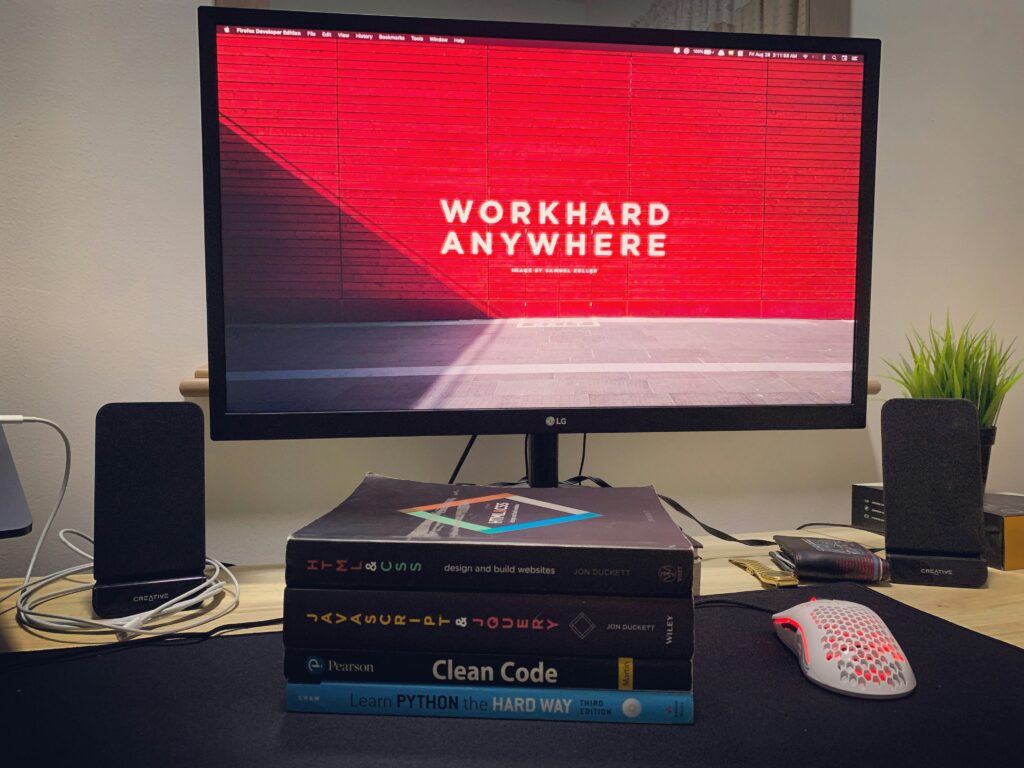
In today’s hyper-competitive global market, the ability to maximize operational agility and worker productivity is paramount. Traditional siloed applications are rapidly giving way to integrated, intelligent productivity suites that redefine the very essence of work. These platforms are not merely collections of individual apps; they are holistic environments designed to optimize every facet of a business’s workflow, from communication and project management to data analysis and strategic planning.
The Evolution of Enterprise Productivity Tools
Recent advancements have seen major software providers push the boundaries of what productivity suites can offer. Companies like Microsoft, Google, and Salesforce are continually enhancing their offerings with features that emphasize connectivity, automation, and user experience. The focus has shifted from simply performing tasks to enabling smart, automated workflows that reduce manual overhead and improve decision-making. For instance, the integration of advanced analytics and AI-driven insights directly within collaboration tools allows teams to identify bottlenecks and optimize processes proactively.
A recent trend involves the incorporation of low-code/no-code capabilities directly into these suites, allowing business users to build custom workflows and applications without extensive programming knowledge. This democratizes automation, empowering individual departments to tailor solutions that perfectly fit their unique operational needs. The goal is to create a fluid, adaptive work environment where information flows effortlessly and tasks are completed with minimal friction.
Driving Workflow Efficiency Through Integrated Automation
The core promise of these revolutionary productivity suites lies in their capacity for integrated automation. By connecting various components—such as project management, communication, document creation, and CRM—into a unified platform, businesses can automate complex multi-step processes that once required significant manual intervention. This not only saves time but also drastically reduces the potential for human error.
According to a report by Gartner, the global market for workflow automation software is projected to continue its robust growth, underscoring the increasing enterprise reliance on these tools for operational streamlining and cost reduction. Businesses adopting these platforms report significant improvements in project completion rates and overall employee satisfaction. For instance, automated approval workflows can cut down decision-making times by up to 50%, while integrated communication channels ensure that all stakeholders are always on the same page.
Furthermore, these suites are increasingly leveraging predictive analytics to anticipate user needs. Imagine a system that suggests the next logical step in a project, flags potential delays based on current progress, or even schedules meetings automatically based on team availability and project deadlines. This level of proactive assistance transforms reactive work into a more strategic and forward-thinking process.
Future Outlook: Hyper-Personalization and Cognitive Workflows
Looking ahead, the evolution of productivity suites points towards even greater personalization and the emergence of truly cognitive workflows. We can expect interfaces that adapt dynamically to individual user preferences and roles, presenting information and tools in the most relevant context. The lines between different applications will continue to blur, fostering an even more cohesive and intuitive user experience.
Experts predict a future where productivity suites will act as intelligent co-pilots, not just automating tasks but also providing strategic insights, generating content, and even making autonomous decisions within defined parameters. This shift will free up human talent for more creative, complex problem-solving, driving innovation and strategic growth for businesses that embrace these cutting-edge tools. As TechCrunch highlighted, the enterprise software market is rapidly innovating to meet the demand for more agile and intelligent solutions.
Embracing these next-gen productivity suites is no longer an option but a strategic imperative for businesses aiming to maintain a competitive edge. By investing in tools that prioritize seamless integration, intelligent automation, and enhanced collaboration, companies can unlock new levels of efficiency and empower their workforce to achieve unprecedented success. The journey towards optimal digital transformation begins with smart software choices.
The landscape of work is changing, and with it, the tools we use to navigate it. Revolutionary productivity suites are leading this charge, promising not just to make work easier, but to make it smarter, faster, and infinitely more efficient.