
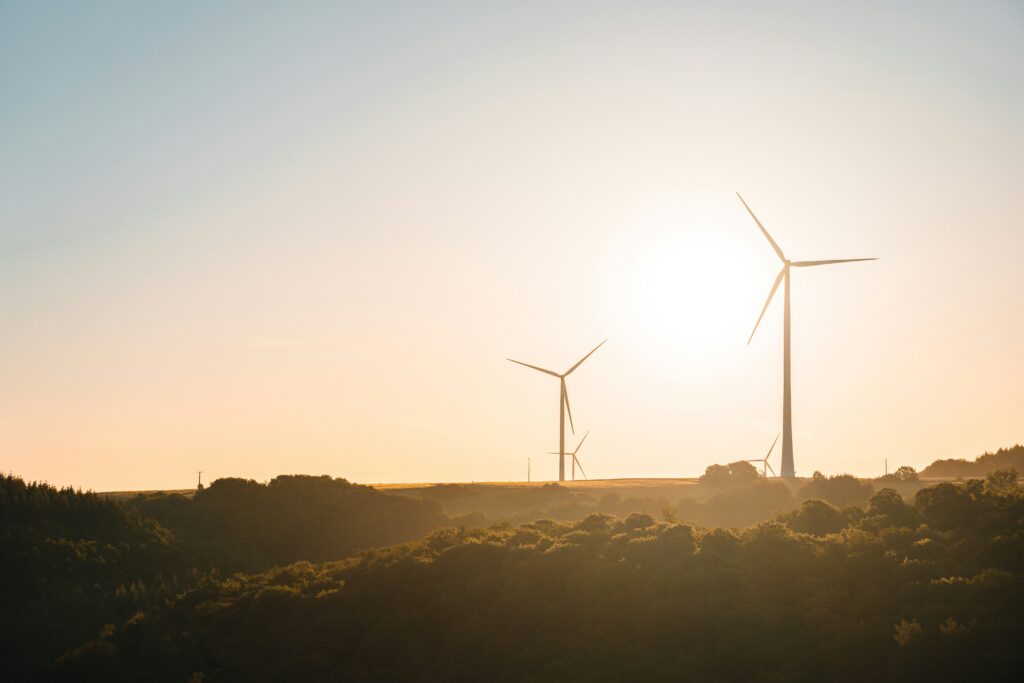
The tech world is witnessing a significant shift towards sustainability, with investors increasingly backing sustainable tech startups. This burgeoning sector is not just addressing critical environmental challenges but also proving to be a lucrative investment frontier. From renewable energy solutions to circular economy platforms, these innovative ventures are redefining business success, attracting substantial funding, and signaling a new era for responsible innovation. This trend highlights a growing commitment to technology that benefits both planet and profit.
The Surge in Green Capital: A New Investment Paradigm
The first half of 2024 has underscored a powerful momentum in climate tech investments. Venture capital firms, strategic corporate investors, and impact funds are channeling unprecedented capital into companies dedicated to solving environmental issues through technology. Reports indicate a significant increase in deal volume and valuation compared to previous years, with Q1 and Q2 2024 showing a remarkable surge. This influx of capital isn’t confined to a single area; it spans diverse sectors including sustainable agriculture, renewable energy, carbon capture technologies, and waste management solutions.
For instance, companies developing advanced battery storage for renewable energy or those innovating in precision agriculture to reduce water usage are attracting multi-million dollar rounds. This trend is global, with hubs in Silicon Valley, London, Berlin, and Singapore actively fostering and funding the next generation of green innovators. Investors are no longer just looking at immediate returns but are strategically positioning themselves in markets poised for long-term growth driven by global climate imperatives.
Data & Driving Forces: What’s Fueling the Investment Boom?
The accelerated investment in sustainable tech is not accidental; it’s backed by compelling data and driven by several interconnected forces. According to a recent PwC report on the State of Climate Tech, investments have seen compound annual growth rates of over 50% in the last five years. Furthermore, BloombergNEF data indicates that global investment in the energy transition alone reached a record $1.8 trillion in 2023, with significant portions flowing into technology development and deployment.
Several factors are contributing to this boom:
- Regulatory Push: Governments worldwide are implementing stricter environmental regulations and offering incentives for green technologies, creating a more favorable market environment.
- Consumer Demand: A growing global consciousness around climate change is leading consumers to demand more eco-friendly products and services, compelling businesses to adopt sustainable practices.
- Technological Advancements: Breakthroughs in areas like AI, material science, and biotechnology are making sustainable solutions more efficient, scalable, and economically viable than ever before.
- ESG Mandates: Environmental, Social, and Governance (ESG) criteria are becoming critical for institutional investors, pushing them to allocate capital towards sustainable ventures.
“This isn’t just a trend; it’s a fundamental re-evaluation of value. Investors now understand that long-term returns are inextricably linked to sustainability and resilience,” states Sarah Chen, a leading Managing Partner at a prominent climate-focused venture capital firm. Her insights highlight a paradigm shift where impact is seen as a core component of future profitability.
Industry Impact & Societal Gains
The rise of sustainable tech startups is having a profound impact across industries and society at large. In the energy sector, innovations from these startups are accelerating the transition away from fossil fuels, making renewable energy more accessible and affordable. In agriculture, precision farming, biotech crops, and alternative protein sources are revolutionizing food production, reducing waste, and mitigating environmental damage.
Beyond specific sectors, these startups are:
- Creating New Job Markets: The green economy is a significant job creator, fostering roles in engineering, data science, project management, and policy advocacy.
- Driving Economic Growth: Sustainable innovations often lead to more efficient processes and resource utilization, boosting productivity and creating new economic value.
- Improving Public Health: Reducing pollution and enhancing environmental quality directly contributes to better public health outcomes.
- Fostering a Circular Economy: Many startups are pioneering business models that emphasize reuse, repair, and recycling, moving away from the traditional linear ‘take-make-dispose’ model.
This widespread impact underscores the transformative potential of innovation strategies for startup growth that prioritize sustainability.
The Road Ahead: Challenges and Opportunities
While the outlook for sustainable tech is overwhelmingly positive, the path forward is not without its challenges. Scaling innovative solutions from pilot projects to widespread adoption requires substantial capital, robust infrastructure, and navigating complex regulatory landscapes. “The next decade will define climate tech. We need patient capital, robust policy, and relentless innovation to truly shift the needle,” comments Dr. Alex Thorne, Lead Researcher at a leading tech think tank. He points to the critical need for continued policy support and a unified global effort.
However, the opportunities far outweigh the obstacles. Future predictions suggest that investment in climate tech will continue its upward trajectory, driven by increasing climate urgency and the maturation of nascent technologies. We can expect to see more collaboration between established corporations and agile startups, further accelerating market penetration. Furthermore, emerging markets present enormous potential for deploying sustainable solutions tailored to local needs, offering both environmental and economic benefits.
The increasing mainstream coverage, as seen on platforms like TechCrunch’s climate tech section, further cements its position as a central pillar of future economic development.
Conclusion
The revolutionary funding pouring into sustainable tech startups marks a pivotal moment in the global effort to combat climate change and build a more resilient future. These ventures are not just developing technologies; they are crafting new economic paradigms and inspiring a generation of entrepreneurs to innovate with purpose. As investors, businesses, and consumers increasingly recognize the intrinsic link between environmental stewardship and long-term prosperity, the green tech revolution is poised to accelerate, promising a future where technology truly serves both humanity and the planet.