
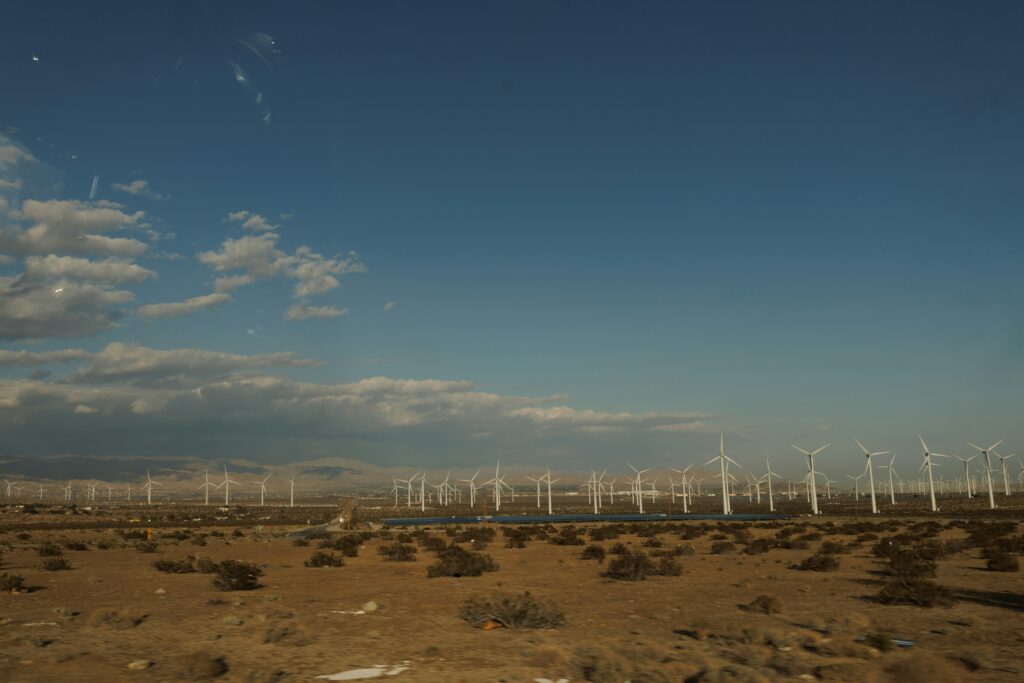
A Green Wave of Investment and Innovation
Recent reports indicate a monumental surge in funding for climate tech. In 2023, despite a broader slowdown in venture capital, climate tech investments continued to show resilience, with billions poured into sectors ranging from renewable energy solutions to carbon capture technologies. This unwavering investor confidence underscores a shared belief in the long-term economic viability and societal necessity of these ventures. Startups like Heirloom Carbon, which recently secured significant funding to scale its direct air capture technology, exemplify this trend. Their progress, announced in late 2023, highlights the rapid pace of development in this crucial sector.
According to a Q4 2023 report by PwC, global climate tech venture funding remained robust, showcasing a strong commitment from investors towards sustainable innovation even amidst economic uncertainties. This data confirms that while overall VC funding might fluctuate, the strategic importance of climate solutions ensures a steady flow of capital into promising **Climate Tech Startups**. The growing urgency to meet global emissions targets and adapt to climate change serves as a powerful catalyst, driving both public and private sector interest.
Impact Across Diverse Industries
Energy and Infrastructure
**Climate Tech Startups** are revolutionizing energy generation, storage, and distribution. Companies developing advanced battery technologies, modular nuclear reactors, and smart grid solutions are paving the way for a decentralized, clean energy future. This impacts traditional energy giants by forcing them to innovate or risk obsolescence, while simultaneously creating new markets for green infrastructure. The shift isn’t just about replacing fossil fuels; it’s about building more resilient and efficient energy systems from the ground up.
Agriculture and Food Systems
From precision agriculture powered by AI to alternative protein sources and sustainable packaging, climate tech is transforming how we produce and consume food. Startups are tackling issues like food waste, resource efficiency, and the carbon footprint of farming. This innovation promises not only environmental benefits but also enhanced food security and new economic opportunities for farmers and food producers.
Manufacturing and Circular Economy
The concept of a circular economy, where waste is minimized and resources are kept in use for as long as possible, is gaining traction thanks to innovative startups. Technologies enabling advanced recycling, sustainable materials development, and product-as-a-service models are disrupting traditional linear manufacturing processes. This paradigm shift offers businesses a path to reduce operational costs, enhance brand reputation, and comply with increasingly stringent environmental regulations. For example, consider how ByteTechScope helps companies implement digital solutions for supply chain optimization, which can significantly reduce waste and improve resource efficiency, aligning perfectly with circular economy principles. Read more about optimizing supply chains for sustainability with tech.
The Road Ahead: Predictions and Expert Insight
Experts predict continued exponential growth for the climate tech sector. According to a recent report by Bloomberg New Energy Finance, annual investment in the energy transition alone needs to more than triple by 2030 to achieve net-zero targets, suggesting a vast runway for **Climate Tech Startups**. Venture capitalists are increasingly looking beyond incremental improvements, favoring disruptive technologies with the potential for massive scale and systemic change.
“The convergence of artificial intelligence, advanced materials science, and biotechnologies is creating unprecedented opportunities for climate innovation,” states Dr. Anya Sharma, a leading analyst in sustainable finance. “We’re moving past niche solutions to systemic transformations that will redefine entire industries.” This sentiment underscores a future where climate tech isn’t just a segment of the economy but a foundational element of all business strategy. This growth is also attracting top talent, making climate tech an increasingly competitive and dynamic space for entrepreneurs.
For more in-depth analysis on recent climate tech funding rounds and market trends, see this TechCrunch article on Climate Tech.
Conclusion: A Future Forged in Green Innovation
The rise of **Climate Tech Startups** represents more than just a passing trend; it signifies a fundamental shift in how we approach economic growth and environmental stewardship. These innovators are not only solving some of humanity’s most pressing challenges but are also creating the industries and jobs of tomorrow. Their success is critical for building a sustainable future, making them central to the global business narrative. Companies looking to remain relevant and competitive must recognize and adapt to this green wave of innovation.