
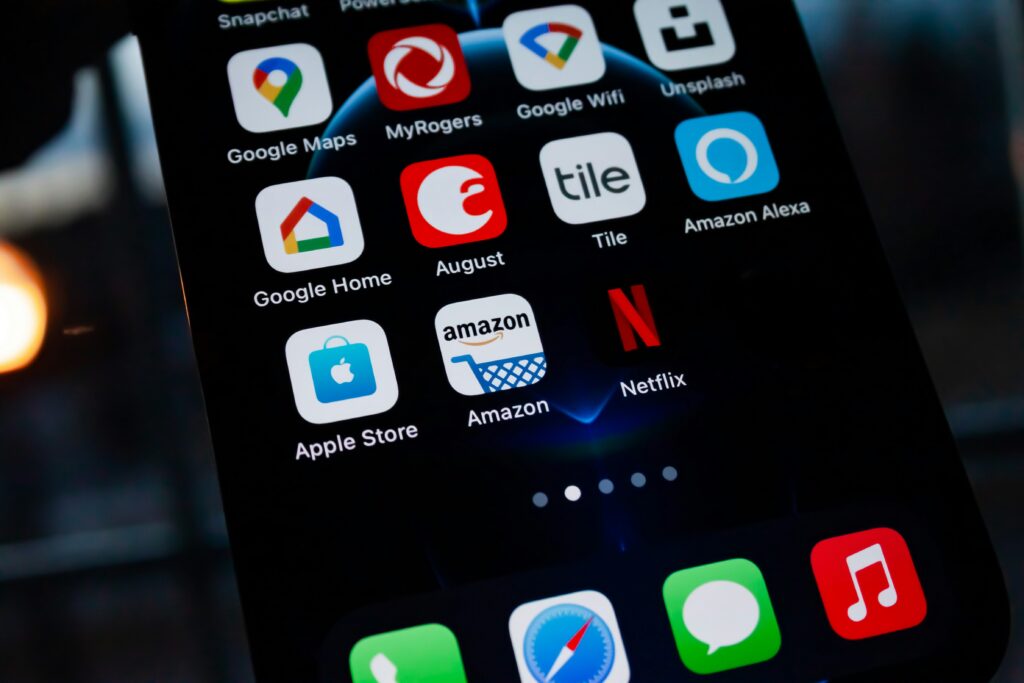
The vision of a truly intelligent home is no longer a distant dream but a tangible reality, with Apple, Google, and Amazon fiercely competing to define its future. Each platform offers a distinct approach to smart living, influencing everything from device compatibility to user interaction and security protocols. Understanding these differences is key to making an informed choice that aligns with your lifestyle and technological preferences.
The Core Battlegrounds: Features and Interoperability
At their heart, Apple HomeKit, Google Home, and Amazon Alexa all aim to centralize control of smart devices. However, their execution varies significantly. Apple HomeKit, often praised for its robust security and privacy features, integrates deeply with the iOS ecosystem, offering seamless control via the Home app and Siri. Its ‘Works with HomeKit’ certification ensures a higher standard of security and reliability for compatible devices. Google Home, powered by the vast Google Assistant, excels in natural language processing and boasts a wide array of compatible devices, making it a flexible choice for many. Amazon Alexa, the pioneer in smart speakers, offers the broadest device compatibility and an extensive range of ‘skills’ that extend its functionality into countless domains. The recent adoption of the Matter standard, launched by the Connectivity Standards Alliance in October 2022, is a game-changer, promising increased interoperability across these platforms, potentially easing past compatibility headaches.
Data, Adoption, and User Experience Insights
Recent market analyses underscore the dominance of Google and Amazon in terms of smart speaker adoption. According to Statista, Amazon Echo and Google Home devices collectively hold the lion’s share of the global smart speaker market. While Apple HomePod sales are lower, HomeKit’s integration with the massive iPhone user base gives it significant reach. User satisfaction often hinges on specific aspects: HomeKit users frequently cite its strong privacy controls and intuitive automation capabilities as key benefits. Google Home users appreciate the Assistant’s contextual intelligence and broad device support. Alexa users often highlight the sheer volume of available skills and third-party integrations as a major advantage. However, privacy concerns remain a critical factor for many users across all platforms, pushing companies to enhance their data protection measures.
Impact on Home Automation and Security
Choosing a smart home platform has profound implications for daily automation and overall home security. HomeKit’s ‘security-first’ approach means that all data processed on your network stays local, not routed through external servers unless explicitly opted into, enhancing user privacy. Google Home and Amazon Alexa offer robust security features as well, including two-factor authentication and data encryption, but their reliance on cloud processing for many functions raises different privacy considerations. For automation, each platform provides tools for creating routines based on time, presence, or sensor triggers. HomeKit’s Shortcuts app integration provides unparalleled customization for complex automations. The integration of security cameras, smart locks, and alarm systems varies in depth and ease across the platforms, making it crucial to consider your specific security needs when selecting your ecosystem.
Future Predictions and Expert Opinions
The future of smart home platforms will likely be defined by enhanced AI capabilities, seamless interoperability through standards like Matter, and an even greater focus on personalized experiences. Experts predict a future where smart homes anticipate needs rather than just responding to commands, moving towards truly proactive intelligence. Analyst firms like Parks Associates suggest that while Amazon and Google will maintain market leadership in volume, Apple’s focus on premium experiences and privacy could see its ecosystem grow significantly among specific user segments. The increasing convergence of smart home technology with wellness and energy management solutions is also on the horizon. The evolution of ambient computing, where technology fades into the background, will further blur the lines between device and environment, making the choice of an overarching platform more critical than ever.
Ultimately, the ‘best’ smart home platform is subjective, depending on your existing devices, privacy preferences, and desired level of integration. Whether you prioritize Apple’s privacy and ecosystem, Google’s intelligent assistant and broad compatibility, or Amazon’s vast selection and flexibility, understanding these nuances will empower you to build a smart home that truly enhances your life.
For deeper insights into how modern technology is reshaping daily operations and personal efficiency, explore ByteTechScope’s extensive resources on workflow automation and digital transformation. Unlock Efficiency with Workflow Automation!