
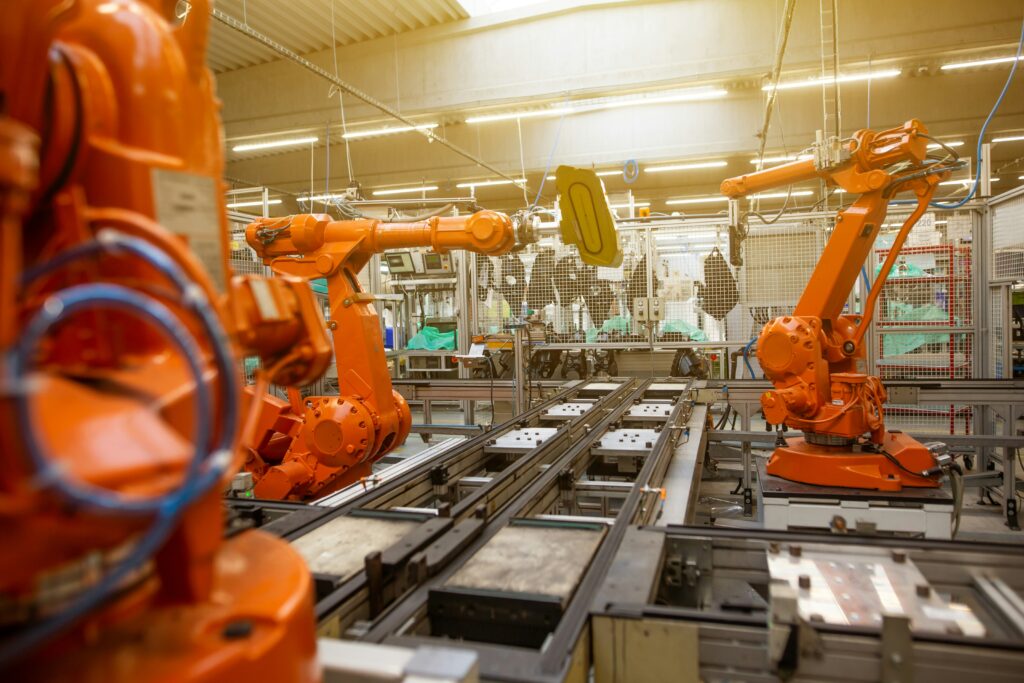
The Evolution of Automation: From Tasks to Intelligent Workflows
The recent surge in adoption of sophisticated workflow automation platforms marks a pivotal moment for global enterprises. Businesses are moving beyond basic Robotic Process Automation (RPA) to embrace comprehensive platforms that offer deep integration with Artificial Intelligence (AI) and Machine Learning (ML). This evolution allows for dynamic process adjustment, predictive insights, and even autonomous decision-making within workflows. Recent industry reports highlight a significant shift towards hyper-automation strategies, where organizations seek to automate as many business and IT processes as possible using a combination of tools like RPA, intelligent business process management (iBPMs), and AI.
Quantifying the Impact: Data-Driven Efficiency
According to a recent report by Gartner, the market for workflow automation software is projected to grow substantially, driven by the increasing need for operational resilience and efficiency. Studies indicate that companies implementing advanced workflow automation solutions often report significant reductions in operational costs, sometimes up to 30%, and a substantial decrease in human error rates. A 2023 Forrester study also noted that organizations leveraging intelligent automation saw an average of 15-20% improvement in customer satisfaction due to faster service delivery and more consistent outcomes. These platforms are proving indispensable in sectors from finance and healthcare to manufacturing and retail, demonstrating tangible ROI.
Transforming Industries: Beyond Operational Gains
The impact of these next-gen workflow automation platforms extends far beyond mere task completion. They fundamentally alter how teams collaborate, how decisions are made, and how resources are allocated. For instance, in customer service, automated workflows can triage inquiries, provide personalized responses, and escalate complex cases, freeing human agents for high-value interactions. In supply chain management, they can optimize inventory, predict demand fluctuations, and automate procurement processes, leading to more resilient and responsive operations. The democratization of automation through low-code/no-code capabilities empowers business users, not just IT, to design and deploy their own workflows, fostering innovation and agility across the organization. Discover how to enhance your processes further by reading our article on Optimizing Business Operations with Smart Technology.
The Future is Autonomous: Expert Predictions
Looking ahead, experts predict an even deeper integration of AI and predictive analytics within workflow automation platforms. The future will see systems that not only automate but also proactively identify bottlenecks, suggest improvements, and self-optimize based on real-time data and changing business conditions. The concept of “adaptive automation,” where workflows can dynamically adjust to unforeseen circumstances or new opportunities, is becoming a reality. Furthermore, the rise of specialized AI agents working within these platforms promises to create highly efficient “digital workforces” capable of handling increasingly complex and nuanced tasks. According to a recent article by TechCrunch, the synergy between AI and automation is poised to redefine enterprise productivity.
Embrace the Automation Revolution
In conclusion, next-gen workflow automation platforms are no longer a luxury but a strategic imperative for businesses aiming to thrive in the digital era. By embracing these powerful tools, organizations can unlock unparalleled efficiency, foster innovation, and build a more resilient and future-ready operational framework. The journey towards complete hyper-automation is ongoing, and companies that invest in these intelligent systems today will undoubtedly lead the way tomorrow.