
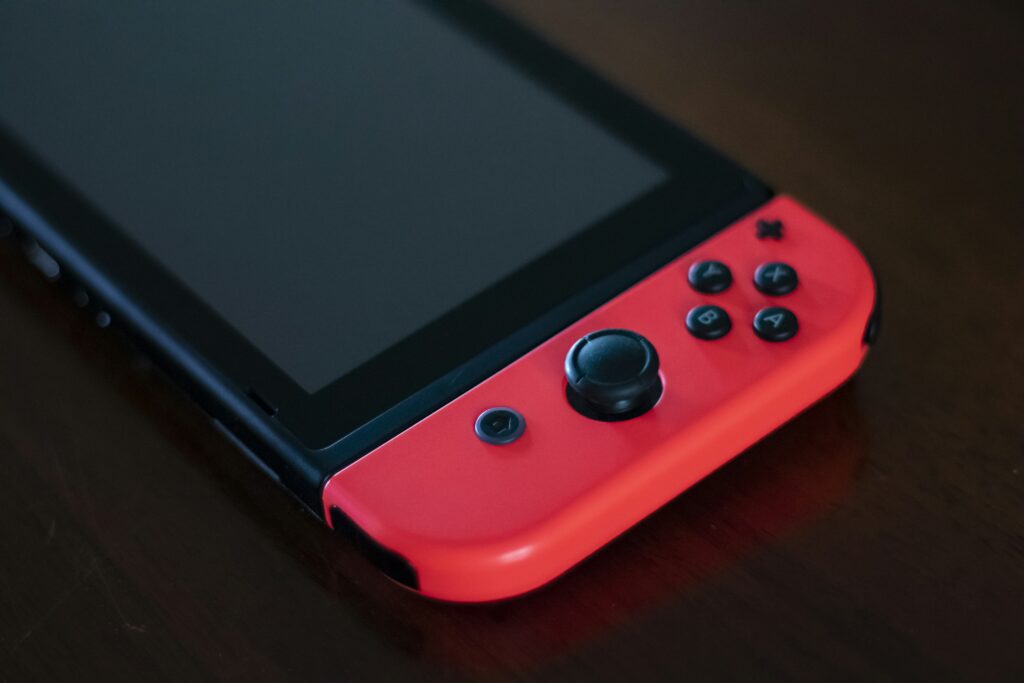
The original Nintendo Switch has been a phenomenal success, selling over 130 million units globally since its 2017 launch. Its unique hybrid design, effortlessly transitioning from handheld to home console, captivated a vast audience. As the console approaches its seventh year, the tech industry is abuzz with credible leaks and developer whispers pointing towards a significant refresh: the so-called Next-Gen Nintendo Switch, often dubbed “Switch 2”.
Early Glimpses and Speculated Hardware
Concrete evidence for a new Nintendo console gained traction during Gamescom 2023. Reports from outlets like Eurogamer and VGC indicated that select developers were given private demonstrations of the new hardware. These showcases reportedly included a high-fidelity tech demo of The Legend of Zelda: Breath of the Wild and an impressive Unreal Engine 5 demonstration, hinting at advanced graphical capabilities, possibly including ray-tracing. This suggests a considerable leap in processing power from the original Switch’s Tegra X1 chip.
Further speculation points to an 8-inch LCD screen, a modest upgrade from the OLED model’s 7-inch display, balancing portability with a larger viewing area. While an OLED display might be a popular choice, an LCD could be a strategic decision to manage production costs and keep the retail price competitive. Other rumored improvements include enhanced battery life and potentially redesigned Joy-Cons, addressing previous durability concerns and introducing improved haptic feedback for a more immersive experience.
Market Impact and Analyst Predictions
Nintendo has maintained its characteristic silence regarding new hardware, but industry analysts have been proactive. Dr. Serkan Toto of Kantan Games projects a 2024 launch, with a potential price point around $400. This increase reflects rising component costs and Nintendo’s strategy to position the console effectively against competitors like Sony’s PlayStation and Microsoft’s Xbox. For developers, a more powerful Next-Gen Nintendo Switch opens doors to more ambitious game designs and higher fidelity graphics, potentially attracting a broader range of third-party titles that were previously limited by the Switch’s hardware constraints.
Consumers can anticipate a significant upgrade in visual quality and performance for their beloved franchises. Crucially, backward compatibility is a strong possibility, ensuring existing game libraries can benefit from the new hardware. This strategic move could solidify Nintendo’s unique position in the hybrid gaming market, emphasizing innovation and user experience over raw power.
Future Technologies and Expert Outlook
Expert consensus suggests Nintendo won’t directly compete on raw power with the PS5 or Xbox Series X. Instead, the focus will remain on innovative gameplay and unique hardware features, complemented by a substantial performance boost. This approach has historically enabled Nintendo to carve out and dominate its niche in the industry. For more insights into how hardware evolves to meet player demands, check out our article on Exploring the Evolution of Handheld Gaming.
Reports, including those from The Verge, highlight the potential integration of NVIDIA’s DLSS (Deep Learning Super Sampling) technology. DLSS uses AI to upscale lower-resolution images, significantly boosting frame rates and visual fidelity without demanding extreme native rendering power. This could be a pivotal feature, allowing the Next-Gen Nintendo Switch to deliver impressive graphics while maintaining energy efficiency and portability – hallmarks of the Switch experience.
A robust launch lineup, featuring new installments in flagship series like Mario and Pokémon, is also highly anticipated to drive initial sales and showcase the console’s full potential. The ultimate success of the Next-Gen Nintendo Switch will depend on its ability to balance technological advancements, competitive pricing, and the distinctive Nintendo charm that has endeared it to millions.
Conclusion
While official announcements are eagerly awaited, the growing body of credible rumors and expert analyses strongly suggests that the Next-Gen Nintendo Switch is on the horizon. Gamers worldwide are anticipating what promises to be another groundbreaking chapter in Nintendo’s rich history of hardware innovation. Whether through enhanced visuals, improved ergonomics, or novel gameplay mechanics, the future of hybrid gaming appears exceptionally promising.