
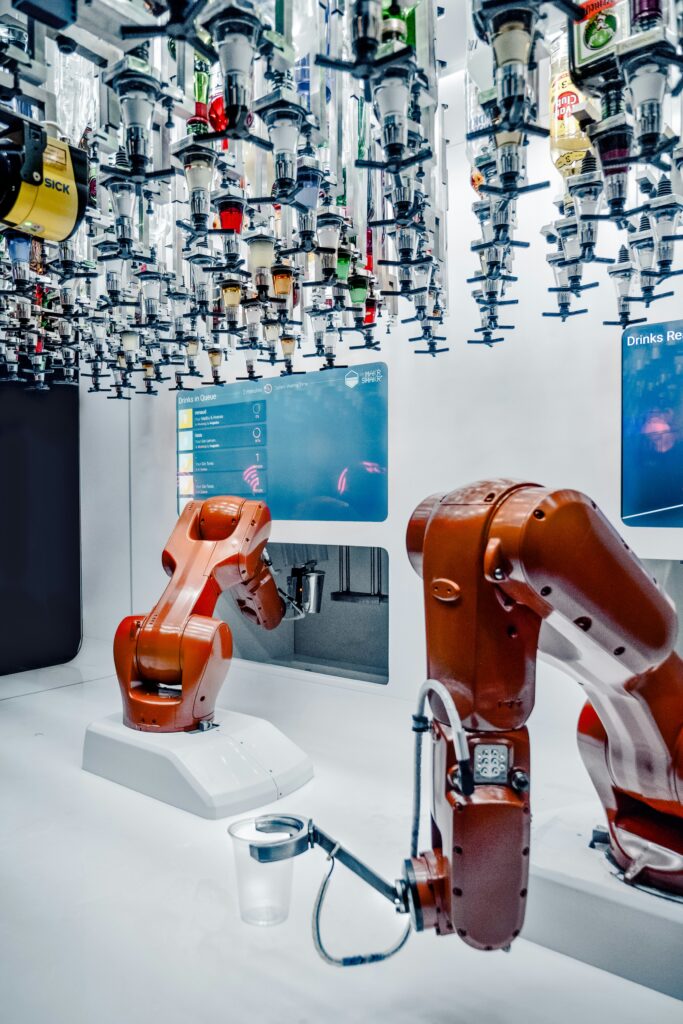
The landscape of enterprise operations is being dramatically reshaped by a new generation of AI-driven startups focused on workflow automation. These agile innovators are deploying advanced artificial intelligence and machine learning to tackle bottlenecks, reduce manual effort, and elevate decision-making across various sectors. From automating routine administrative tasks to orchestrating complex supply chains, AI workflow automation is moving beyond simple Robotic Process Automation (RPA) to intelligent process automation (IPA) and hyperautomation, integrating AI, machine learning, and other emerging technologies.
The Surge of Intelligent Automation
In the past year, we’ve witnessed an unprecedented surge in the number and sophistication of companies specializing in AI-powered solutions for business processes. These AI workflow automation startups are tackling challenges from customer service and data entry to advanced analytics and predictive maintenance. For instance, companies are leveraging natural language processing (NLP) for automated document processing and intelligent chatbots, while machine learning algorithms are optimizing logistics routes and predicting equipment failures before they occur.
Key Innovations Driving Growth
The innovation isn’t just in automating tasks but in making processes smarter and more adaptive. Startups are developing platforms that learn from past interactions, dynamically adjust workflows based on real-time data, and even suggest improvements to processes themselves. This shift represents a move from ‘fixed’ automation to ‘flexible’ and ‘intelligent’ automation, where systems can handle exceptions and variations without human intervention, significantly reducing operational costs and human error.
Investment Frenzy and Market Impact
The promise of unparalleled efficiency and cost savings has not gone unnoticed by investors. Venture capital funding into AI workflow automation startups has reached new highs, with several companies achieving unicorn status in record time. According to a recent report by TechCrunch, funding for AI-driven automation tools surged by over 40% in the last year alone, signaling robust investor confidence in the sector’s long-term potential. This influx of capital is fueling rapid product development, market expansion, and fierce competition among these innovative firms, ultimately benefiting businesses looking for cutting-edge solutions.
Redefining Business Efficiency
The impact of these startups on industries is profound. In finance, AI automates compliance checks and fraud detection, speeding up transactions and securing assets. In healthcare, it streamlines patient intake and manages medical records, freeing up personnel for critical care. Manufacturing sees enhanced quality control and predictive maintenance, minimizing downtime. The common thread is a dramatic increase in operational efficiency, allowing human talent to focus on strategic initiatives rather than repetitive chores. For more insights into optimizing your business processes, explore our article on Optimizing Business Processes with Intelligent Automation.
The Road Ahead: Expert Insights and Future Trends
Experts predict that the growth of AI workflow automation is just beginning. “The next five years will see a complete overhaul of traditional business models,” states Dr. Anya Sharma, a leading analyst in enterprise technology. “Startups are not just building tools; they’re building the future operating system for businesses, where hyper-personalized and dynamically optimized workflows become the norm.” Future trends include greater integration with generative AI for content creation and synthesis within workflows, ethical AI considerations becoming central to development, and the expansion of automation to highly cognitive tasks previously considered exclusively human domains.
As businesses continue to navigate complex global challenges, the agility and efficiency offered by these pioneering startups will be indispensable. The fusion of artificial intelligence with workflow optimization is not merely a technological upgrade; it’s a fundamental shift towards more intelligent, resilient, and adaptive enterprises.