
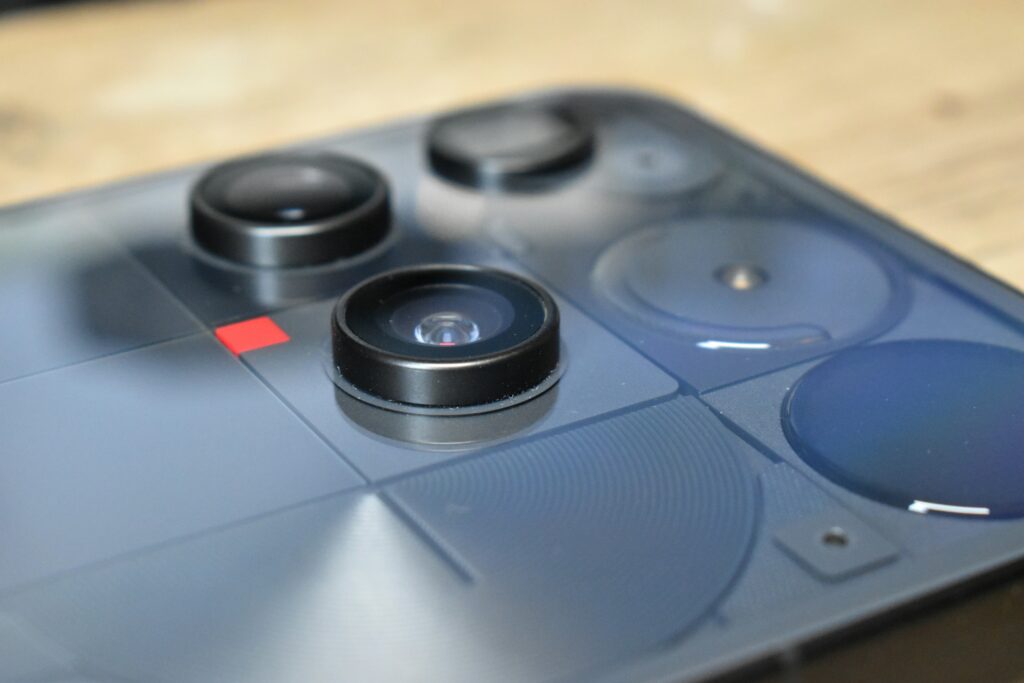
For decades, haptic feedback in consumer electronics was largely limited to simple vibrations – a buzz for a new message, a rumble for an in-game explosion. However, a silent revolution has been underway, driven by advancements in miniaturized actuators, sophisticated algorithms, and a deeper understanding of human touch perception. We are now witnessing the unveiling of revolutionary haptic technologies that promise a future where we don’t just see and hear, but genuinely *feel* our digital environments.
The Science Behind the Sensation: Recent Breakthroughs
Recent developments have moved beyond traditional eccentric rotating mass (ERM) motors and linear resonant actuators (LRAs). Companies and research labs are exploring advanced forms of haptics, including microfluidic haptic systems that use tiny liquid pumps to create dynamic pressure changes on the skin, and electrostatic haptics that manipulate friction. Surface haptics, which can simulate textures on touchscreens, are also gaining traction. For instance, prototypes shown at recent tech expos in late 2023 and early 2024 demonstrated how these new systems can replicate the feeling of rain, the texture of fabric, or the click of a virtual button with astonishing accuracy.
Leading research indicates a significant uptick in investment in haptic R&D. According to a report by Grand View Research, the global haptic technology market size was valued at USD 2.6 billion in 2022 and is projected to grow at a compound annual growth rate (CAGR) of 13.9% from 2023 to 2030. This growth is fueled by increasing demand for enhanced user experience across various sectors. Tech giants like Meta (with their Reality Labs) and Apple have heavily invested in haptic patents and research, aiming to create more convincing tactile feedback for their VR/AR ecosystems and future devices. The Verge has covered Meta’s ongoing efforts to develop hyper-realistic haptic gloves, signaling a strong industry push towards this technology.
Transforming Industries: From Gaming to AR/VR
The impact of next-gen haptic feedback technology is poised to be immense, particularly in high-engagement sectors:
Gaming: A New Dimension of Play
Imagine feeling the distinct recoil of every weapon, the crunch of gravel underfoot, or the subtle vibrations of an approaching enemy. Advanced haptics elevate gaming immersion beyond visual fidelity. Devices like Sony’s DualSense controller for the PlayStation 5, with its adaptive triggers and rich haptic feedback, offer a glimpse into this future, allowing players to feel the tension of a bowstring or the varied terrain their character traverses. The next wave of haptic integration will make these sensations even more granular and realistic.
AR/VR: Bridging the Digital-Physical Divide
Perhaps the most transformative application is in augmented and virtual reality. While headsets like Apple Vision Pro offer unparalleled visual immersion, the lack of realistic touch remains a significant barrier. Next-gen haptic gloves and suits aim to solve this, allowing users to ‘grasp’ virtual objects, ‘feel’ digital textures, and interact with holographic interfaces as if they were physically present. This is crucial for applications ranging from virtual training simulations and remote surgery to interactive entertainment and virtual workspaces.
Smartphones & Wearables: Intuitive Interactions
Even everyday gadgets will benefit. Smartphones could offer more nuanced notifications, allowing users to differentiate alerts by feeling. Wearables like smartwatches could provide richer, more intuitive feedback, enhancing navigation, health monitoring, and communication without requiring visual input.
The Tactile Future: Expert Predictions and Challenges
Experts predict that within the next decade, advanced haptics will become as integral to our tech experience as high-resolution displays and spatial audio. Dr. Susan J. Lederman, a pioneer in haptic perception research, has often emphasized how crucial touch is for our understanding of the world, suggesting that making digital interactions tangible will unlock entirely new possibilities. However, challenges remain, including reducing the size and cost of advanced haptic actuators, improving power efficiency, and creating standardized frameworks for developers to integrate these complex sensations seamlessly.
Ultimately, the goal is to create a seamless, multi-sensory experience that blurs the lines between the digital and physical. The era of feeling our technology is not just on the horizon; it’s rapidly becoming a tangible reality.