
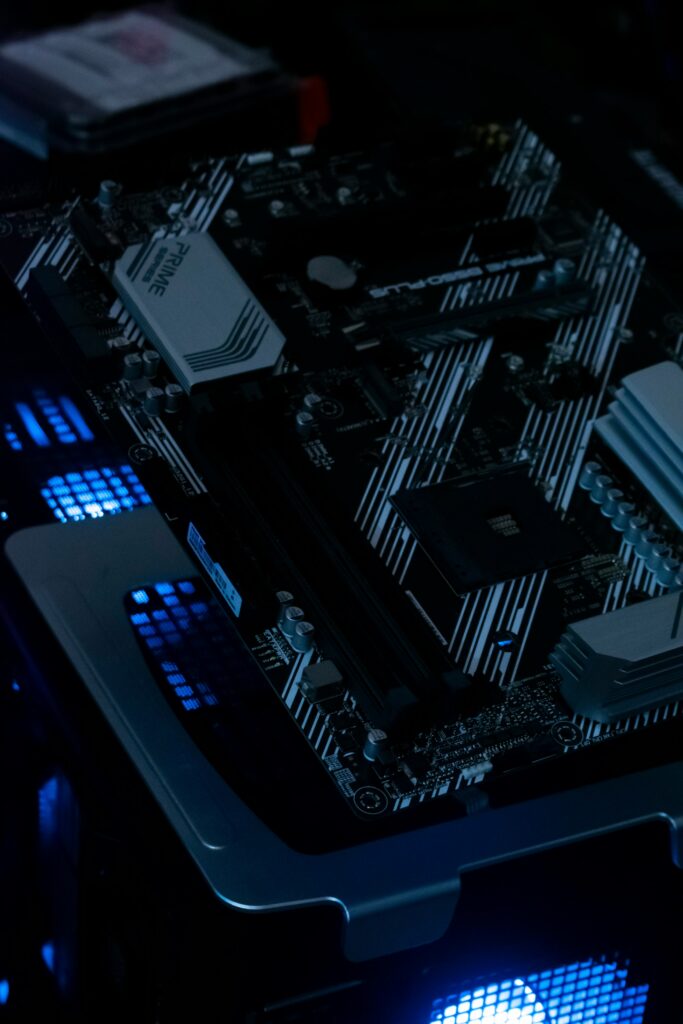
The tech industry is buzzing with anticipation for what could be NVIDIA’s most impactful GPU launch in years: the **NVIDIA RTX 50 Series**, powered by the groundbreaking Blackwell architecture. While official announcements remain under wraps, a deluge of credible leaks and industry analyst predictions points towards a release window possibly spanning late 2024 into 2025. This series is poised to succeed the highly successful Ada Lovelace architecture of the RTX 40 Series, promising significant advancements across the board.
The Blackwell Architecture: What We Know So Far
Blackwell is rumored to represent a fundamental shift in GPU design, focusing on a multi-chip module (MCM) approach for some higher-end SKUs, a strategy that could dramatically increase core counts and overall processing power. This move could allow NVIDIA to scale performance in unprecedented ways, pushing beyond the limits of monolithic dies. Key rumors suggest a transition to a more advanced manufacturing process, potentially TSMC’s 3nm or 4nm node, which would yield substantial improvements in power efficiency and transistor density.
Core Innovations and Performance Leaps
Early indications suggest that the RTX 50 Series will feature a new generation of Tensor Cores and RT Cores, designed to deliver unparalleled acceleration for AI workloads and ray tracing. The previous generation saw significant improvements, and Blackwell is expected to double down on these strengths. Furthermore, speculation is rife about the adoption of GDDR7 memory, offering significantly higher bandwidth compared to the current GDDR6X, crucial for handling the massive data loads of next-gen games and professional applications. Analyst firm Bloomberg Tech and other industry observers have highlighted the potential for 70-100% performance gains over current top-tier GPUs, a truly revolutionary jump.
Impact on Gaming, Creation, and AI Workflows
The arrival of the **NVIDIA RTX 50 Series** will have a profound impact across various sectors, from casual gamers to professional studios and AI researchers.
Redefining Gaming Immersion
For gamers, Blackwell promises to unlock new levels of visual fidelity and frame rates. Imagine games running at 4K resolution with full path tracing enabled, maintaining high refresh rates without compromise. NVIDIA’s DLSS technology, likely to evolve into DLSS 4.0, will undoubtedly leverage the enhanced Tensor Cores to deliver even sharper upscaling and potentially introduce new AI-powered graphics features. This will make previously unachievable graphical settings commonplace, setting new standards for immersive experiences and fueling demand for higher resolution and refresh rate monitors.
Accelerating Professional Workloads
Content creators, 3D artists, video editors, and animators stand to benefit immensely. Faster rendering times in applications like Blender, Octane, and Adobe Premiere Pro will significantly reduce project completion times. The improved AI acceleration will be a boon for machine learning engineers and data scientists, making complex model training and inference tasks more efficient. The Blackwell architecture is designed to handle demanding simulations and complex calculations with greater ease, pushing the boundaries of what individual workstations can achieve.
Market Dynamics and Future Outlook
The launch of the RTX 50 Series will undoubtedly ignite a new round of competition in the GPU market, particularly with AMD’s rumored RDNA 4 architecture. NVIDIA’s pricing strategy will be critical, as consumers increasingly weigh performance against cost. However, the anticipated performance leap could justify premium pricing for enthusiasts and professionals. This generational leap also suggests an acceleration in the adoption of advanced display technologies, making 8K gaming and high-fidelity VR/AR more accessible and practical.
Conclusion
The **NVIDIA RTX 50 Series** represents more than just another hardware upgrade; it’s a peek into the future of computing. With its Blackwell architecture, NVIDIA is poised to deliver a game-changing generation of GPUs that will push the boundaries of what’s possible in gaming, content creation, and artificial intelligence. The excitement is palpable, and the industry eagerly awaits official confirmation of these revolutionary advancements. For more insights into optimizing your tech setup, check out our article on Optimizing Your PC for Gaming and Productivity.