
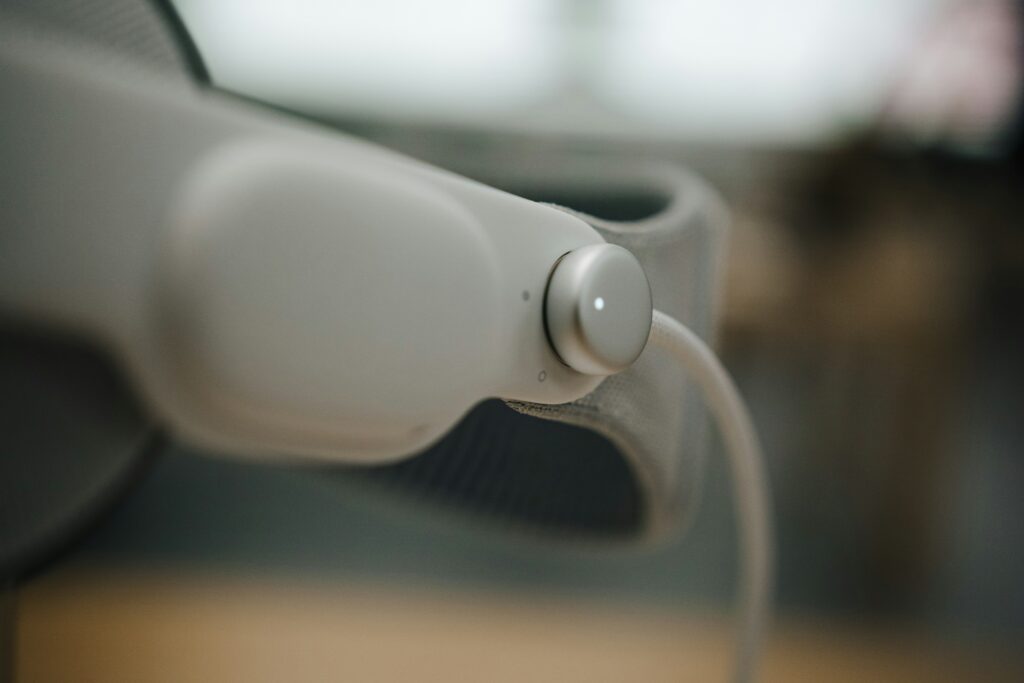
Since its launch, the Apple Vision Pro has sparked conversations about the future of personal computing, offering an unparalleled immersive experience. However, like all first-generation products, it came with certain challenges, including its weight, battery life, and high price point. Industry analysts and supply chain leaks suggest that Apple is already hard at work on the Apple Vision Pro 2, aiming to refine these aspects and introduce revolutionary new features. While no official announcements have been made, rumors from sources like analyst Ming-Chi Kuo point towards a release as early as late 2025 or 2026, potentially featuring a lighter design, more advanced micro-OLED displays, and a more powerful, yet energy-efficient, chip.
Recent data and ongoing research into augmented and virtual reality markets highlight user demand for more comfortable, accessible, and integrated spatial computing experiences. User reviews of the current Vision Pro often praise its display quality and intuitive interface but note areas for improvement in wearability for extended periods. Apple’s patent filings consistently show a commitment to evolving its head-mounted display technology, focusing on areas such as eye-tracking, improved optics, and more efficient thermal management. These developments align with the speculative features for Apple Vision Pro 2, suggesting a strategic effort to overcome current hardware limitations and enhance user comfort, which is crucial for broader adoption.
The potential impact of a refined Apple Vision Pro 2 on industries and users alike could be transformative. A lighter device with improved battery life and potentially a more attractive price point (perhaps through a ‘more affordable’ variant) could significantly expand its appeal beyond early adopters. Imagine enhanced collaborative workspaces for architects and engineers, truly immersive educational tools for students, or even more interactive entertainment for casual users. Enterprises could leverage the device for advanced training simulations, remote assistance, and innovative product design, breaking down geographical barriers and fostering new levels of productivity. The advancements are expected to make spatial computing a more integral part of daily workflows and leisure activities, paving the way for a truly ubiquitous mixed reality environment.
Experts predict that the Apple Vision Pro 2 will be a crucial step towards mainstream spatial computing. Analysts believe that Apple’s long-term vision extends beyond a niche luxury gadget, aiming for a device that could eventually replace or augment traditional screens. The success of the second generation will depend heavily on its ability to strike a balance between cutting-edge technology and practical usability. Challenges such as content development, app ecosystem maturity, and societal acceptance of wearing such a device in public remain. However, with Apple’s track record of perfecting first-generation concepts, the Vision Pro 2 is expected to be a game-changer, solidifying its position as a leader in the next era of personal technology. For more insights into how evolving immersive tech impacts our world, you can read our article on exploring the future of augmented reality.
In conclusion, while the first Apple Vision Pro laid a groundbreaking foundation, the whispers and predictions surrounding the Apple Vision Pro 2 promise an even more refined and impactful device. Its anticipated improvements in design, performance, and accessibility could unlock new possibilities for both consumers and businesses, driving forward the spatial computing revolution. We anticipate a future where digital and physical realities seamlessly merge, creating experiences that were once only dreamed of. Stay tuned for official updates and further analysis as the journey towards the next generation unfolds.