
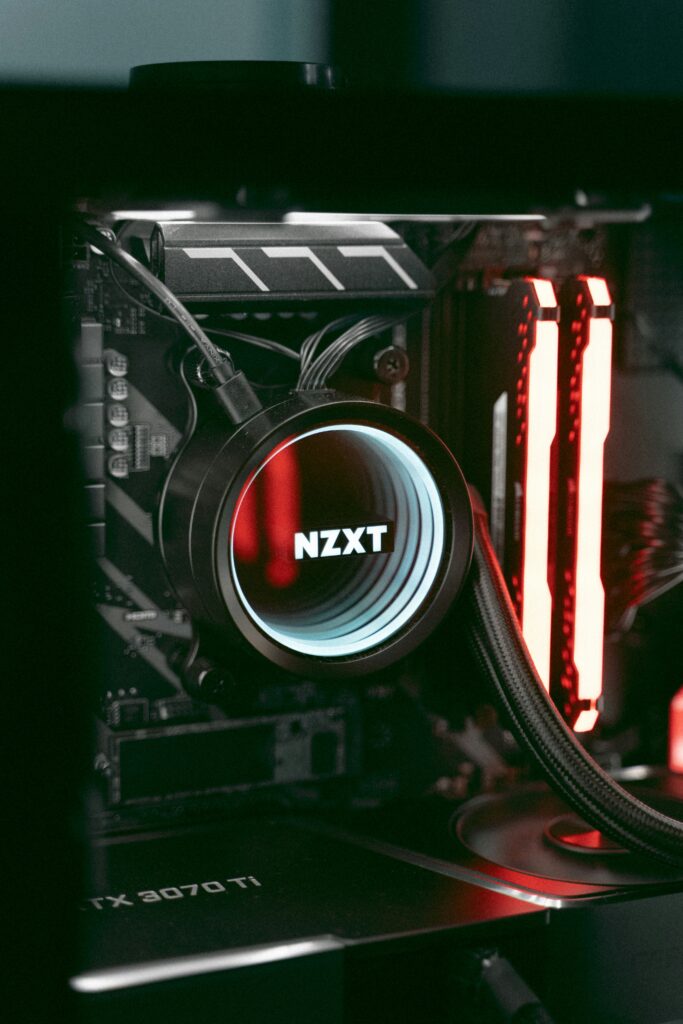
NVIDIA’s highly anticipated Blackwell architecture, initially unveiled for data centers, is now fueling intense speculation about its imminent arrival in consumer-grade graphics cards, likely under the banner of the RTX 50 series. While official consumer product announcements are still under wraps, industry insiders and leaked roadmaps suggest a release window that could begin as early as late 2024 or early 2025. The Blackwell architecture is designed to succeed the current Lovelace (RTX 40 series) and is engineered with a strong emphasis on AI acceleration and ray tracing capabilities, signaling a major evolution in GPU design. The first Blackwell GPUs, such as the B200 and GB200, have already made headlines for their incredible performance in AI workloads, setting a high bar for what the consumer versions might eventually achieve.
Reports from credible tech analysts like Jon Peddie Research and industry publications consistently point to a significant performance uplift. For instance, the Blackwell generation is rumored to feature substantially higher core counts, increased memory bandwidth through a wider bus interface (potentially 512-bit or higher for flagship models), and a more efficient manufacturing process, likely TSMC’s 3nm or a highly optimized 4nm node. These technical advancements translate to a projected 50-70% generational performance improvement in traditional rasterization and even greater gains in ray tracing and AI tasks, critical for technologies like DLSS. NVIDIA’s focus on Tensor Cores and RT Cores is expected to intensify, making next-generation gaming even more immersive and graphically demanding workloads more accessible. The Verge and other tech outlets have highlighted NVIDIA’s consistent push for performance leadership, and Blackwell appears to be no exception, aiming to solidify their position at the forefront of GPU innovation.
Revolutionizing Gaming and Professional Workflows
The impact of these next-gen NVIDIA GPUs will be profound across multiple sectors. For PC gamers, the RTX 50 series could unlock true 4K resolution gaming at ultra-high refresh rates, even with demanding ray-traced effects fully enabled, without relying heavily on upscaling technologies. Virtual reality experiences could become more lifelike and seamless, reducing latency and increasing fidelity to unprecedented levels. Content creators, particularly those in 3D rendering, video editing, and graphic design, will see dramatic reductions in render times and smoother real-time previews, significantly boosting productivity. The enhanced AI capabilities of Blackwell will also trickle down to consumer applications, improving features in creative software, enabling more sophisticated game AI, and accelerating local large language model (LLM) processing on personal computers.
What the Future Holds for PC Hardware
Looking ahead, the introduction of the Blackwell architecture will undoubtedly ignite fierce competition within the GPU market. AMD and Intel will be compelled to accelerate their own development cycles, potentially leading to faster innovation and more competitive pricing for consumers. Industry experts predict that the Blackwell series will not only push graphical boundaries but also integrate more deeply with AI frameworks, making GPUs an even more indispensable component for future computing. We might see new form factors or cooling solutions to handle the increased power demands, and a continued emphasis on energy efficiency will be crucial. This new generation of GPUs signifies a major inflection point, driving forward not just gaming, but also scientific research, professional visualization, and the broader integration of AI into our daily digital lives. The ongoing evolution of graphics hardware, as highlighted in articles like The Ultimate Guide to Gaming Peripherals on ByteTechScope, constantly reshapes user expectations and industry standards.
In conclusion, the impending release of next-gen NVIDIA GPUs built on the Blackwell architecture represents a colossal leap forward for graphics technology. From ultra-realistic gaming to accelerated AI workloads, the potential for innovation is immense. Enthusiasts and professionals alike have every reason to be excited about what these powerful new cards will bring to the table.