
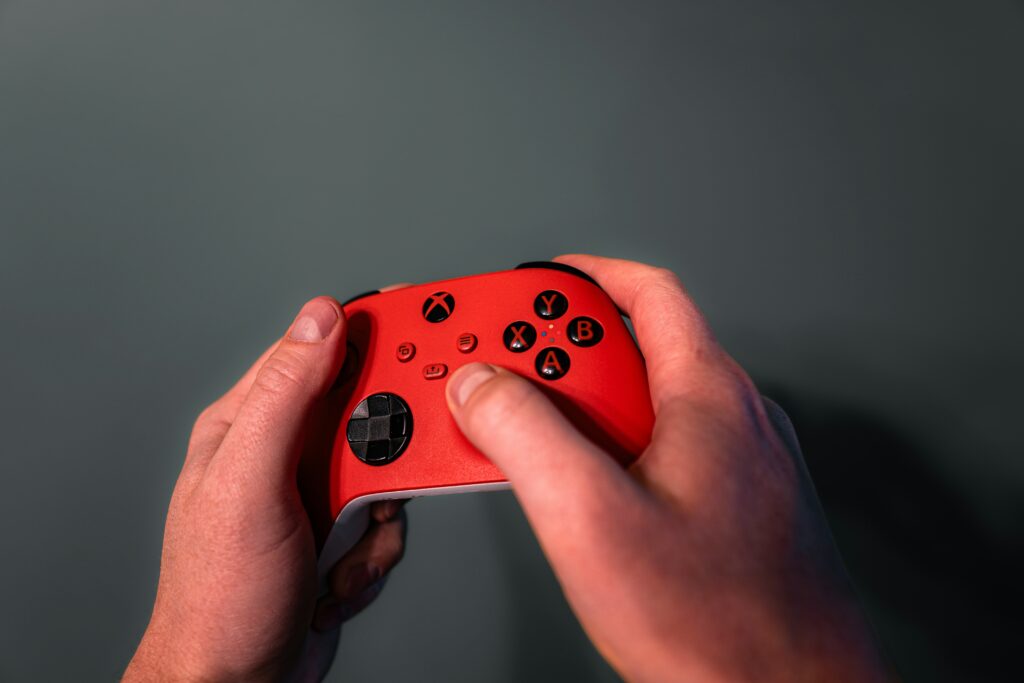
The landscape of portable gaming has undergone a dramatic transformation in recent years, spearheaded by the emergence of powerful Next-Gen Gaming Handhelds. What was once the domain of dedicated mobile devices or cloud streaming services has evolved into a full-fledged PC gaming experience that fits in your backpack. Devices like Valve’s Steam Deck, ASUS ROG Ally, and Lenovo Legion Go have not only proven the viability of this niche but have ignited a fervent race among manufacturers to deliver increasingly capable and innovative portable gaming solutions.
These handhelds are more than just consoles; they are compact PCs, often running full operating systems like Windows or customized Linux distributions, granting access to vast game libraries across platforms like Steam, Epic Games Store, Xbox Game Pass, and more. This freedom from platform-specific ecosystems is a game-changer for many, offering unprecedented flexibility for gamers who want to take their entire digital collection wherever they go. The recent announcements and continuous updates surrounding these devices, including persistent rumors of more powerful iterations and new entrants, underscore the vibrant and rapidly evolving nature of this hardware segment.
Market Surge and Industry Impact
The reception of these Next-Gen Gaming Handhelds has been overwhelmingly positive, translating into significant market growth. According to recent reports, the portable gaming market, encompassing these high-powered devices, is projected to see substantial expansion in the coming years. For instance, data from market analysts often points to the unexpected success of the Steam Deck, which far exceeded initial expectations, paving the way for competitors to enter. The Verge has extensively covered the history and current state of these devices, highlighting their appeal to a diverse audience looking for premium gaming on the go.
This surge has had a profound impact on the broader gaming industry. Game developers are now increasingly optimizing their titles for these portable form factors, considering aspects like control schemes, UI scaling, and performance efficiency on lower-power hardware. It’s also reshaping the accessory market, with a proliferation of docks, cases, external GPUs, and specialized controllers designed to enhance the handheld experience. For consumers, it means more choice, more flexibility, and the ability to seamlessly transition from desktop gaming to portable play, blurring the lines between traditional PC and console gaming.
The Future of Portable Powerhouses
What does the future hold for Next-Gen Gaming Handhelds? Experts predict a continued arms race in processing power and display technology. We can anticipate even more efficient and powerful AMD APUs (Accelerated Processing Units) or similar integrated solutions from other chipmakers, pushing graphical fidelity and frame rates higher without sacrificing battery life. Displays will likely see advancements in OLED technology, higher refresh rates, and even potentially flexible screens or innovative multi-screen designs.
Battery technology remains a crucial bottleneck, but ongoing research promises improvements in energy density and charging speeds. Furthermore, the integration of cloud gaming services is expected to become even more seamless, allowing users to switch between local and streamed gameplay based on their internet availability and desired performance. Some predict the rise of modular handhelds, allowing users to upgrade components or swap out different control modules. The convergence of AI upscaling technologies (like FSR and DLSS) directly on handheld hardware will also play a pivotal role in delivering stunning visuals on compact screens.
The cultural impact is equally significant. These devices are fostering new communities of gamers who prioritize portability and versatility. They’re making high-end PC gaming accessible to a broader audience who might not have the space or budget for a full desktop setup. This shift marks a pivotal moment in gaming hardware, moving towards a future where high-fidelity entertainment is truly unchained from the living room or desk.
In conclusion, the era of Next-Gen Gaming Handhelds is not just a passing fad; it’s a fundamental shift in how we approach personal computing and entertainment. These powerful devices offer a compelling blend of performance, flexibility, and portability that continues to captivate the tech world. As technology advances, we can only expect these portable powerhouses to become even more impressive, further solidifying their place as a core component of the modern gaming ecosystem.
For more insights into the evolving world of gaming technology, check out our article on The Evolution of Mobile Gaming.