
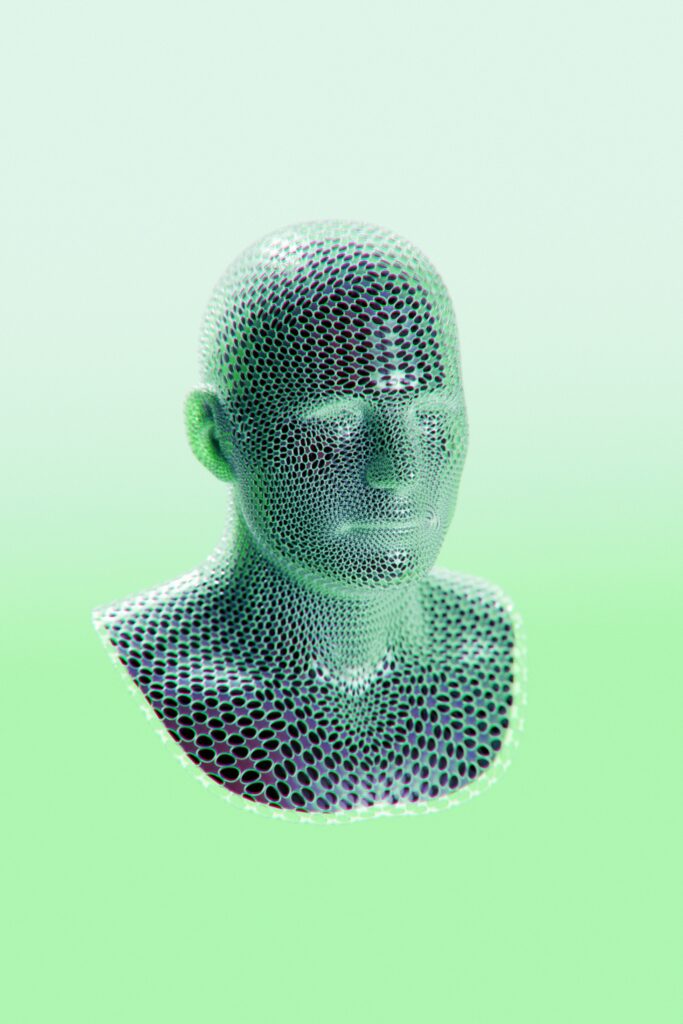
The dawn of intelligent systems is not merely augmenting human capabilities in medicine; it’s fundamentally redefining them. Recent breakthroughs have seen AI models achieve diagnostic accuracy comparable to, or even exceeding, human experts in fields like radiology and pathology. For instance, AI algorithms are now adept at detecting early signs of diseases such as cancer, diabetic retinopathy, and neurological disorders years before traditional methods might identify them. This proactive approach significantly improves patient outcomes and reduces the burden of late-stage disease management. Furthermore, the realm of drug discovery, traditionally a lengthy and costly process, is being dramatically accelerated by AI, which can analyze vast molecular datasets to identify potential drug candidates and predict their efficacy with unprecedented speed. Companies are leveraging these capabilities to shorten the drug development cycle, bringing vital new therapies to market faster than ever before.
The impact of artificial intelligence in healthcare is not just anecdotal; it’s backed by robust data and significant investments. A comprehensive report by Grand View Research projects the global AI in healthcare market size to reach over $200 billion by 2030, growing at a compound annual growth rate of over 37%. This remarkable growth is fueled by increasing applications across various segments, including medical imaging, drug discovery, virtual assistants, and precision medicine. Major healthcare institutions and technology giants alike are pouring resources into R&D, with official statements from organizations like the World Health Organization (WHO) acknowledging AI’s potential to address global health challenges, while also emphasizing the need for ethical guidelines and equitable access. This commitment from both public and private sectors underscores the seriousness with which the industry is embracing AI as a core component of its future.
Transforming Patient Care and Operational Efficiency
The implications of intelligent healthcare systems extend far beyond diagnostics and drug discovery, touching every facet of the medical ecosystem. For clinicians, AI acts as a powerful assistant, automating administrative tasks, summarizing patient records, and providing evidence-based treatment recommendations. This frees up valuable time, allowing doctors to focus more on direct patient interaction and complex decision-making, thereby combating physician burnout. For patients, the benefits are equally profound. Personalized medicine, driven by AI analysis of individual genetic data, lifestyle, and medical history, is leading to highly tailored treatments that are more effective and have fewer side effects. AI-powered wearable devices and remote monitoring systems enable continuous health tracking, offering early warnings for potential health crises and empowering individuals to take a more active role in their well-being. Moreover, AI is optimizing hospital operations, from predicting patient admissions and staffing needs to managing supply chains and maintaining expensive medical equipment, leading to significant cost savings and improved resource allocation.
The Future Landscape: Challenges and Opportunities
Looking ahead, the integration of AI into healthcare is poised for even greater breakthroughs. Experts predict a future where AI-driven virtual health assistants become commonplace, offering initial diagnoses and health advice, thereby democratizing access to care, especially in underserved regions. The development of advanced predictive analytics will allow for even earlier intervention in chronic diseases and outbreaks. However, this promising future is not without its challenges. Ethical considerations surrounding data privacy, algorithmic bias, and accountability remain paramount. Regulatory frameworks must evolve rapidly to keep pace with technological advancements, ensuring patient safety and trust. Dr. Fei-Fei Li, a leading AI researcher, often emphasizes that while AI offers immense power, its implementation must always be guided by human values and robust ethical guardrails to truly serve humanity’s best interests. As we navigate these complexities, continuous collaboration between technologists, clinicians, policymakers, and ethicists will be crucial to unlock AI’s full potential responsibly.
The journey of intelligent systems in healthcare is only just beginning, yet its trajectory is clear: a future where medicine is more precise, accessible, and personalized than ever before. For a deeper dive into how machine learning algorithms are driving business transformation beyond healthcare, explore our comprehensive guide on ByteTechScope.