
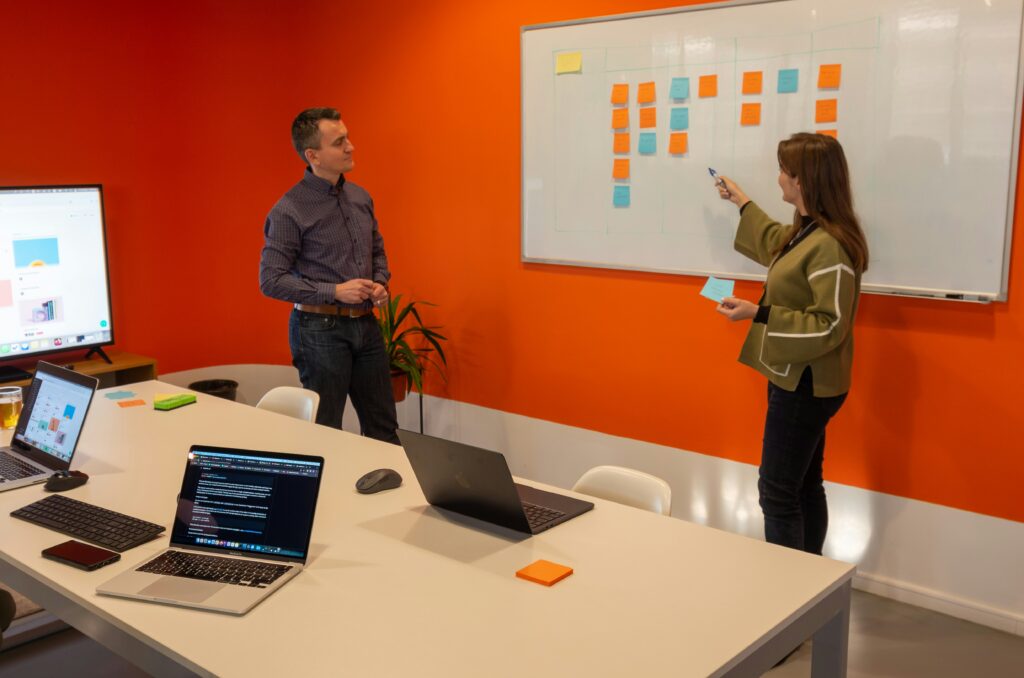
The quest for peak organizational efficiency has never been more critical. Recent developments in the software industry indicate a strong pivot towards empowering businesses with tools that don’t just facilitate work but actively enhance and automate it. This involves a new generation of collaborative productivity apps, which are integrating sophisticated capabilities to transform mundane processes into seamless, automated workflows.
The Evolution of Enterprise Collaboration Software
Historically, collaboration tools focused primarily on communication and document sharing. However, the latest iterations are designed to understand context, predict needs, and even suggest actions. Major players are rolling out significant updates to their suites, emphasizing deeper integrations across various functions—from project management to communication and data analysis. These updates are less about adding new features and more about creating a cohesive ecosystem where information flows effortlessly, reducing the friction points that often plague cross-departmental projects.
For instance, reports from industry analysts like Gartner highlight a growing market for hyper-automation platforms, projecting that by 2024, organizations will lower operational costs by 30% by combining hyper-automation technologies with redesigned operational processes. This underscores a clear trend: the future of work is not just digital, but intelligently automated. Businesses are increasingly looking for solutions that can connect disparate systems and create a unified operational picture, moving beyond simple task management to comprehensive digital transformation strategies.
Impact on Business Operations and Team Productivity
The immediate impact of these next-gen workflow automation tools is a tangible boost in productivity. By automating routine tasks—such as data entry, report generation, approval processes, and even basic customer interactions—employees are freed from repetitive chores, allowing them to focus on more strategic, high-value activities. This doesn’t just save time; it fundamentally changes the nature of work, fostering greater job satisfaction and innovation.
Moreover, these advanced collaborative apps are democratizing complex automation. Non-technical users can now design and implement sophisticated workflows using intuitive drag-and-drop interfaces, significantly accelerating process improvements across an organization. This decentralization of automation empowers individual teams to tailor solutions to their specific needs, leading to more responsive and agile business units. As noted by a recent TechCrunch article on the ‘Future of Work’ trends, the emphasis is shifting from rigid, top-down software solutions to flexible, adaptable platforms that empower end-users directly.
Predicting the Future of Integrated Workflows
Looking ahead, expert opinions suggest that collaborative productivity applications will evolve further into truly predictive and self-optimizing systems. Imagine a project management tool that not only tracks progress but also anticipates potential bottlenecks based on historical data and suggests resource reallocations before issues arise. Or a communication platform that automatically summarizes lengthy discussions and highlights actionable items for team members.
This future vision points towards software that acts as an intelligent co-pilot, deeply embedded in every facet of an organization’s operations. For international consulting firms, this shift presents both opportunities and challenges. Guiding clients through the selection, implementation, and optimization of these complex, integrated systems will be paramount. The ability to craft tailored automation strategies will become a core differentiator for businesses seeking to truly harness the power of these advanced tools.
Conclusion
The advancements in collaborative productivity applications and workflow automation tools are reshaping the very fabric of enterprise operations. By embracing these next-gen solutions, companies can unlock unprecedented levels of efficiency, foster deeper collaboration, and empower their workforce to achieve more. This isn’t just an upgrade; it’s a fundamental reimagining of how work gets done.