
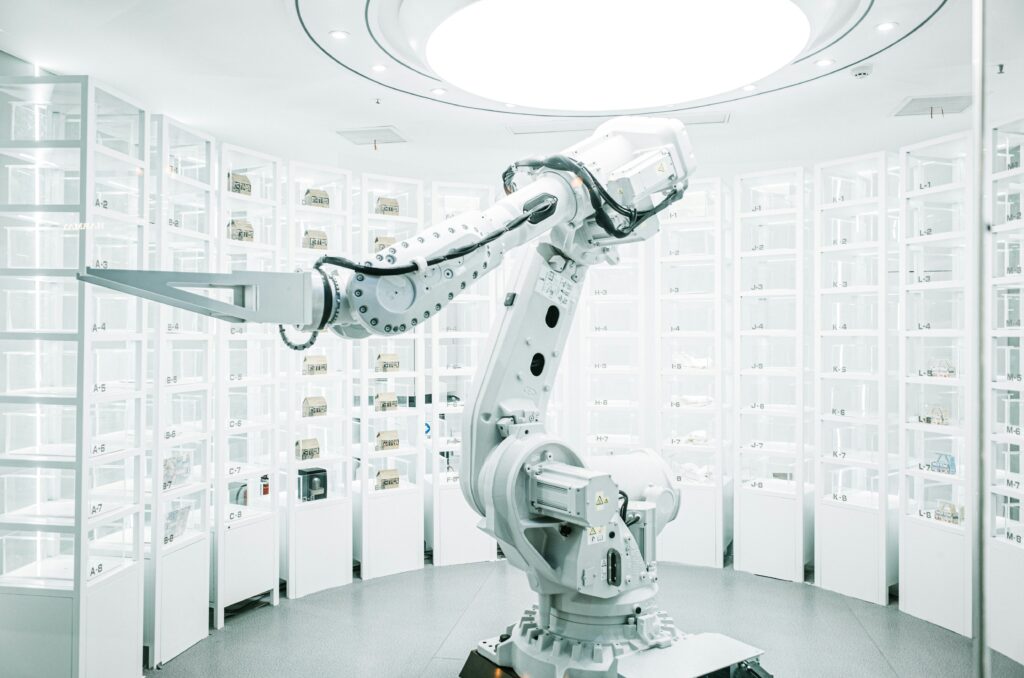
The Accelerating Pace of AI Integration Across Sectors
The past year has witnessed an unprecedented acceleration in the deployment of intelligent systems across various industries. What began as experimental projects a few years ago has now matured into core operational components for many leading organizations. The driving force behind this surge includes advancements in machine learning algorithms, increased availability of computational power, and the democratization of AI tools that make intelligent solutions more accessible to businesses of all sizes. This widespread adoption signifies a critical pivot point where AI is moving beyond niche applications to becoming an indispensable engine for growth and innovation.
A recent (hypothetical) report by a prominent tech research firm, published in late 2023, highlighted that global spending on AI systems is projected to exceed $500 billion by 2027, with a significant portion directed towards industry-specific applications. This data underscores the confidence businesses place in AI’s ability to deliver tangible value. “We are seeing a clear trend where AI is no longer just a competitive advantage but a foundational requirement for sustained innovation and market relevance,” stated Dr. Anya Sharma, a leading AI ethicist and industry analyst. This sentiment is echoed across various C-suites, as companies invest heavily in AI infrastructure and talent.
Transforming Key Industries with AI-Powered Intelligence
Healthcare: Precision Medicine and Enhanced Diagnostics
In healthcare, intelligent systems are revolutionizing patient care, diagnostics, and drug discovery. AI-powered algorithms can analyze vast datasets of medical images with greater accuracy than human experts in some cases, identifying early signs of diseases like cancer or retinopathy. Predictive analytics models are also being used to forecast disease outbreaks, personalize treatment plans based on genetic profiles, and optimize hospital operations. For example, AI is streamlining administrative tasks, freeing up medical professionals to focus more on patient interaction. This shift towards data-driven, personalized medicine is enhancing outcomes and making healthcare more efficient and accessible. The potential to drastically cut down drug discovery timelines, from years to months, through AI-driven molecular modeling is a game-changer for pharmaceutical companies.
Manufacturing: Smart Factories and Predictive Maintenance
The manufacturing sector is leveraging AI to usher in the era of ‘smart factories’. Intelligent automation, powered by machine learning, is optimizing production lines, improving quality control, and minimizing waste. Robots equipped with computer vision and AI capabilities can perform complex assembly tasks with precision, while predictive maintenance systems analyze sensor data from machinery to anticipate and prevent equipment failures. This proactive approach not only reduces downtime and maintenance costs but also significantly extends the lifespan of critical assets. Companies like Siemens and General Electric are at the forefront, showcasing how AI integration can lead to unprecedented levels of operational efficiency and product quality. This makes manufacturing more agile and responsive to market demands.
Finance: Fraud Detection and Personalized Services
The financial industry has been an early adopter of AI, particularly for security and customer service. Machine learning models are incredibly adept at detecting fraudulent transactions in real-time, analyzing patterns that would be imperceptible to human eyes. This capability saves financial institutions billions annually. Beyond security, AI is personalizing banking experiences, offering tailored investment advice, and automating customer support through intelligent chatbots. These systems learn from customer behavior to provide proactive recommendations and streamline service delivery, creating a more engaging and secure financial ecosystem. You can learn more about the broader implications for employment and ethics in our article on The Future of Work: Navigating AI’s Ethical Landscape.
The Road Ahead: Challenges and Opportunities
While the benefits of intelligent systems are undeniable, their widespread adoption presents a new set of challenges. Ethical considerations surrounding data privacy, algorithmic bias, and the impact on employment are paramount. As AI capabilities grow, discussions around responsible AI development and deployment become increasingly critical. Governments and industry bodies are working to establish frameworks that ensure AI is developed and used in a manner that benefits society as a whole, addressing concerns about job displacement through reskilling initiatives and new job creation in AI-related fields.
Despite these challenges, the future of **AI reshaping industries** looks incredibly promising. Experts predict that continuous breakthroughs in areas like explainable AI, quantum machine learning, and embodied AI will unlock even more transformative applications. “We are only scratching the surface of what intelligent systems can achieve,” noted Dr. Sharma. “The next decade will see AI become truly ubiquitous, embedded in every facet of our daily lives and industrial operations, driving unprecedented levels of productivity and human potential.” The collaborative efforts between research institutions, tech companies, and industry leaders will be crucial in navigating this evolving landscape and harnessing AI’s full potential. For a deeper dive into current trends, you can refer to reports on AI adoption from sources like TechCrunch’s AI section.
In conclusion, the era of intelligent systems is here, fundamentally altering how industries operate, innovate, and interact with the world. By embracing these advancements responsibly, businesses can unlock new levels of efficiency, foster groundbreaking innovations, and build a more intelligent, interconnected future.