
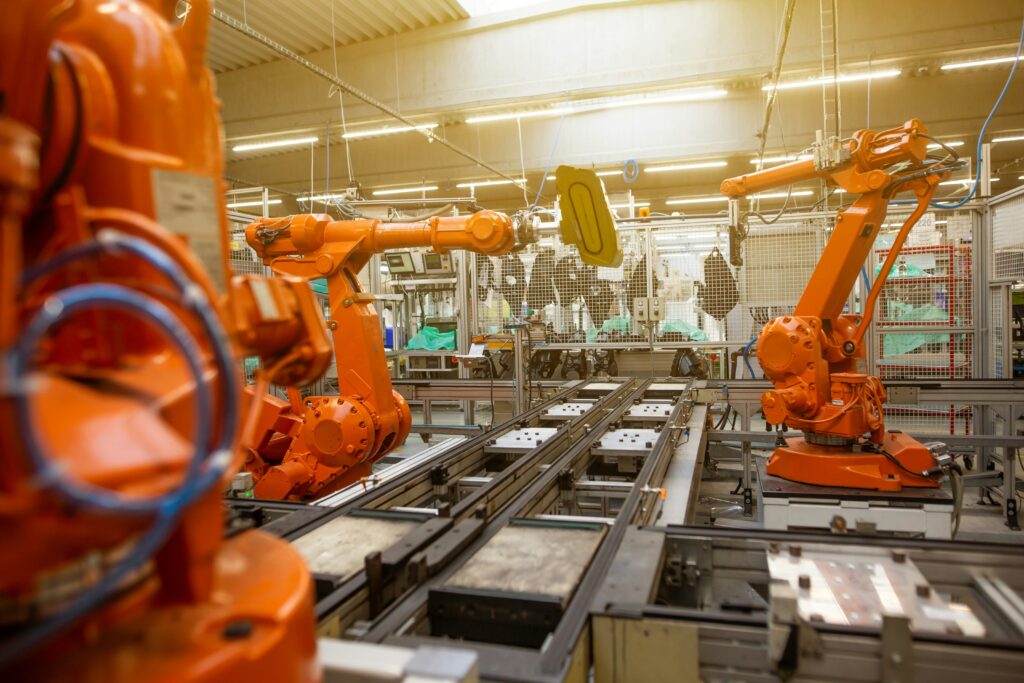
The global industrial sector is experiencing a monumental transformation, spearheaded by the accelerating adoption of Artificial Intelligence (AI) and Machine Learning (ML). These intelligent systems are moving beyond experimental phases, becoming integral components that redefine how industries operate, innovate, and compete. Recent reports, including one from early 2024, indicate a surging investment in AI solutions across manufacturing, logistics, and energy sectors, highlighting a paradigm shift towards intelligent automation and data-driven decision-making.
AI-Powered Predictive Maintenance: A Game-Changer
One of the most immediate and impactful applications of Industrial AI is in predictive maintenance. Historically, equipment failures led to costly downtime and reactive repairs. Today, AI algorithms analyze vast streams of sensor data—temperature, vibration, pressure, sound—to detect subtle anomalies that signal impending failures. This proactive approach allows companies to schedule maintenance precisely when needed, preventing unexpected breakdowns, extending asset lifespan, and significantly reducing operational costs. A study by Accenture revealed that predictive maintenance can reduce maintenance costs by 30% and increase equipment availability by up to 20%.
Smart Factories: The Dawn of Autonomous Operations
The concept of ‘smart factories’ is rapidly materializing, with AI at its core. These facilities leverage interconnected devices (IoT), robotics, and AI to create highly autonomous and adaptive production environments. AI-driven vision systems monitor product quality with unparalleled accuracy, identifying defects that human eyes might miss. Machine learning algorithms optimize production schedules in real-time, adapting to changes in demand, raw material availability, or machine performance. This level of operational agility not only boosts productivity but also enables greater customization and faster time-to-market for new products.
Revolutionizing Supply Chains and Logistics
Beyond the factory floor, **Industrial AI** is revolutionizing supply chain management and logistics. AI-powered platforms analyze historical data, real-time traffic conditions, weather patterns, and market fluctuations to predict demand, optimize inventory levels, and plan the most efficient delivery routes. This translates into reduced shipping costs, faster delivery times, and a more resilient supply chain capable of responding swiftly to disruptions. Companies like Amazon and FedEx are already deploying sophisticated AI models to manage their vast logistical networks, demonstrating the immense potential for efficiency gains.
Data, Research, and Expert Insights Fueling Growth
According to a recent report by Grand View Research, the global industrial AI market size was valued at USD 1.8 billion in 2022 and is projected to grow at a compound annual growth rate (CAGR) of 23.5% from 2023 to 2030. This growth is driven by the increasing need for automation, quality control, and operational efficiency across various industries. Experts from leading tech firms emphasize that the key to successful AI implementation lies not just in technology, but in a holistic approach that integrates AI with existing infrastructure and upskills the workforce. For deeper dives into the foundational concepts driving these advancements, consider Understanding AI Fundamentals for Business.
Impact on Industries and Users
The impact of Industrial AI is multifaceted. For businesses, it means a significant competitive advantage through enhanced productivity, cost savings, and the ability to innovate at an accelerated pace. For consumers, it translates into higher quality products, faster delivery, and potentially more sustainable manufacturing practices due to optimized resource usage. The energy sector, for instance, uses AI to optimize grid management and predict renewable energy output, leading to more stable and greener energy supplies.
The Future Landscape: Predictions and Challenges
Looking ahead, the trajectory of **Industrial AI** points towards increasingly autonomous systems capable of self-diagnosis, self-optimization, and even self-repair. We can expect AI to play a critical role in developing new materials, designing more efficient products, and creating personalized manufacturing processes. However, challenges remain, including the need for robust cybersecurity to protect highly integrated systems, ethical considerations around job displacement, and the necessity for continuous workforce reskilling. As Satya Nadella, CEO of Microsoft, recently highlighted at a tech conference, “AI’s true potential is realized not just in its intelligence, but in how it augments human capability and fosters a more inclusive future.” For more on current AI trends and industry insights, check out TechCrunch’s AI section.
A Lighter Conclusion
The journey of intelligent systems transforming industries is just beginning. What started as complex algorithms in research labs has now manifested into tangible tools that reshape factories, streamline logistics, and empower businesses to reach new heights of efficiency and innovation. The era of the smart industry is here, and it’s powered by AI.