
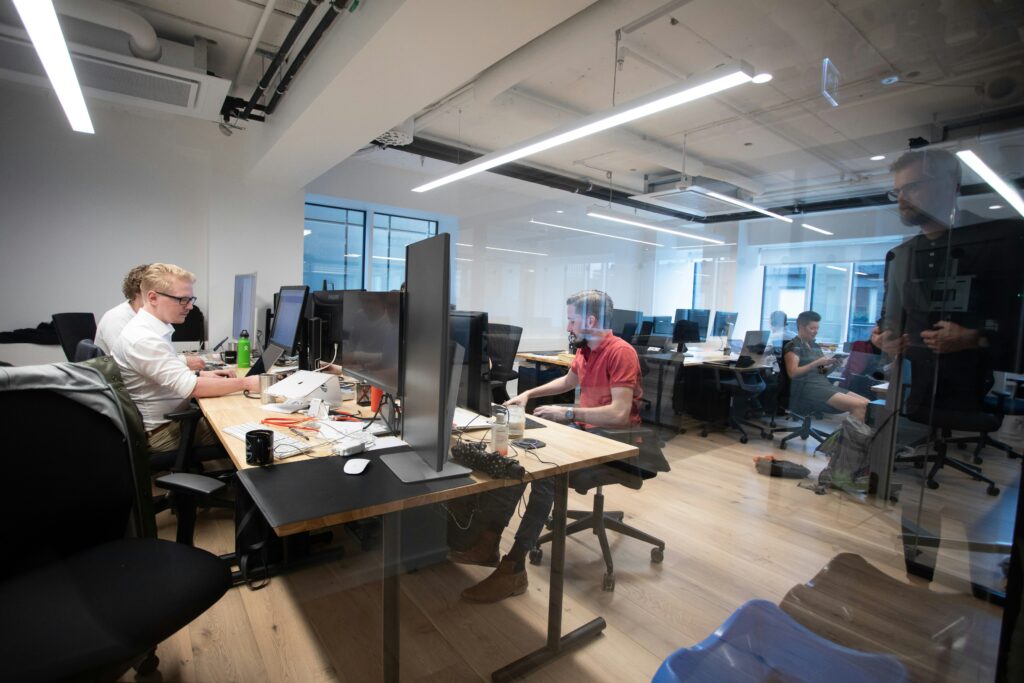
Innovation Drives Unprecedented Investment in Q3 2024
The third quarter of 2024 has witnessed a remarkable acceleration in venture capital activity targeting companies at the forefront of the ‘Future of Work’ sector. Industry reports indicate that global investments in this niche have exceeded initial projections, with a particular focus on solutions enhancing hybrid work models, employee engagement platforms, and advanced automation tools. This funding influx isn’t merely about capital; it’s a profound endorsement of disruptive technologies poised to fundamentally alter how businesses operate and how individuals collaborate.
Several prominent **Future of Work tech startups** have successfully closed significant funding rounds, ranging from Series B to D, attracting hundreds of millions of dollars. These investments are largely directed towards scaling operations, expanding market reach, and accelerating product development, particularly in areas like AI-powered analytics for workforce management, immersive collaboration environments, and sophisticated talent acquisition platforms designed for a globalized workforce. The emphasis is on creating more resilient, flexible, and equitable work ecosystems.
Data Reveals Sustained Growth and Strategic Focus
According to a recent analysis by industry tracker Crunchbase, investment in ‘Future of Work’ solutions has seen a compounded annual growth rate of 18% over the past three years, with a sharp uptick in late-stage funding rounds in 2024. The report highlights that investors are increasingly prioritizing startups that demonstrate clear paths to profitability and offer scalable solutions addressing tangible pain points for businesses navigating post-pandemic shifts. "The market has matured beyond basic remote tools," states Sarah Chen, a leading Venture Capitalist at Nexus Ventures. "Today’s investors are looking for sophisticated platforms that integrate seamlessly, provide actionable insights, and genuinely elevate the employee experience, driving measurable ROI for enterprises of all sizes."
Further data from Bloomberg Tech indicates that a significant portion of this capital is flowing into areas previously considered niche, such as ethical AI in HR, personalized learning and development platforms, and cybersecurity solutions tailored for distributed teams. This strategic focus underscores a collective understanding that the future workforce demands not just tools, but integrated ecosystems that foster growth, security, and well-being. For a deeper dive into how capital is reshaping specific tech sectors, explore our article on Navigating the Fintech Frontier: Growth and Challenges.
Transformative Impact Across Industries
The profound impact of these newly funded technologies is already being felt across diverse industries. From enhancing productivity in manufacturing with AI-driven scheduling to streamlining global team collaborations in creative agencies, these solutions are breaking down geographical barriers and fostering unprecedented levels of efficiency. Small and medium-sized businesses (SMBs), often constrained by resources, are now accessing enterprise-grade tools through flexible SaaS models, enabling them to compete more effectively in dynamic markets. Larger corporations, meanwhile, are leveraging these innovations to optimize talent management, foster a culture of continuous learning, and build more resilient operational frameworks. The result is a more agile, adaptable, and ultimately, more competitive global business landscape.
Moreover, these advancements are not just about business metrics; they are reshaping employee expectations. The modern workforce values flexibility, autonomy, and opportunities for continuous skill development. Companies adopting ‘Future of Work’ technologies are better positioned to attract and retain top talent, cultivate a positive organizational culture, and drive higher levels of job satisfaction. This symbiotic relationship between technology adoption and workforce well-being is a cornerstone of sustainable business growth in the 21st century.
The Road Ahead: Consolidation and Specialization
Looking ahead, industry experts predict a period of both consolidation and heightened specialization within the ‘Future of Work’ tech sector. As larger players seek to acquire innovative startups to broaden their portfolios, we may see the emergence of comprehensive platforms offering end-to-end solutions. Simultaneously, there will be continued growth in highly specialized tools addressing specific challenges, such as niche compliance software for remote teams or hyper-personalized AI coaching for leadership development. The integration of advanced analytics and machine learning will become increasingly sophisticated, moving beyond descriptive reporting to predictive insights, enabling businesses to proactively address workforce challenges before they escalate. "The next wave will be about seamless integration and predictive intelligence," says TechCrunch analyst Alex Williams. "Companies that can offer an intelligent, unified experience will dominate, but there will always be room for best-in-class point solutions." For more insights on recent venture capital trends, visit TechCrunch’s Startups section.
The Game-Changing Potential of Next-Gen Platforms
The current wave of **startup funding** in ‘Future of Work’ technologies is not merely a transient trend; it represents a fundamental recalibration of how work is conceptualized and executed. As these innovations mature, they will continue to empower businesses to thrive in an ever-evolving global economy, fostering environments where adaptability, collaboration, and human potential are maximized. The investments made today are sowing the seeds for the workplaces of tomorrow—smarter, more inclusive, and incredibly efficient.