
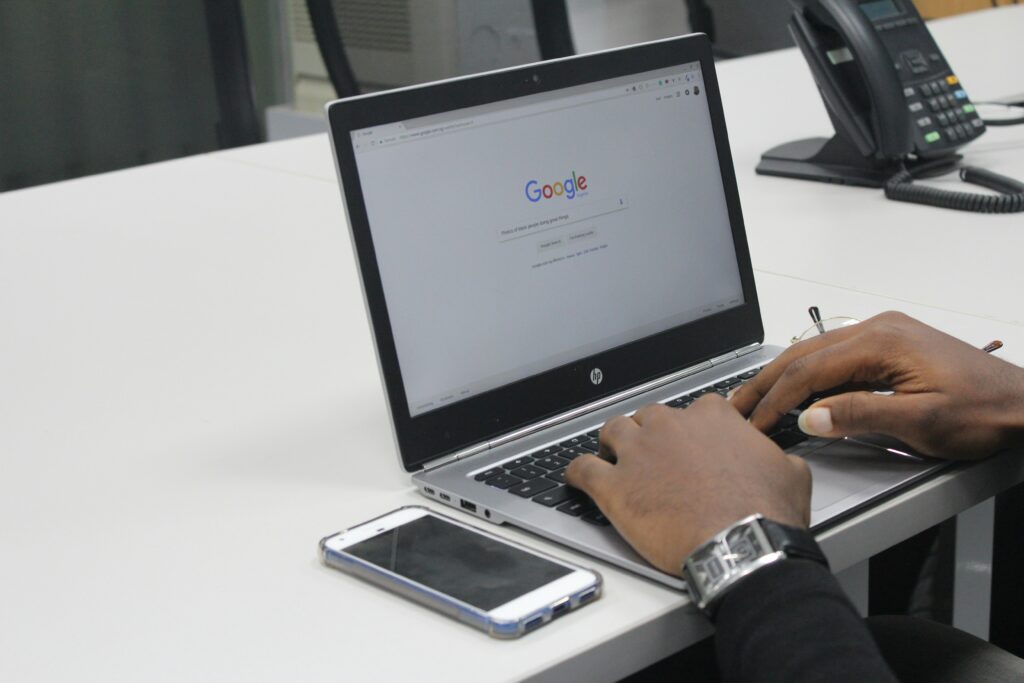
In a significant move poised to redefine digital collaboration, Google Workspace has officially rolled out its highly anticipated ‘Workspace Flow’ update. Unveiled earlier this month, this comprehensive suite of enhancements focuses on streamlining complex tasks, improving cross-application integration, and fostering a more intuitive collaborative environment. The update introduces several key features, including advanced Smart Task Automation, a Unified Communication Hub, and a dynamic Adaptive Workspace Templates system, all designed to power workflows like never before.
The announcement, made on July 18, 2024, directly addresses the growing demand for more efficient, less fragmented digital workspaces. Historically, teams often juggle multiple applications for communication, project management, and document creation, leading to efficiency bottlenecks. Google’s ‘Workspace Flow’ update aims to alleviate this by centralizing critical functions and automating repetitive actions that consume valuable time.
Transforming Workflows with Smart Automation
One of the standout features of the ‘Workspace Flow’ update is the introduction of advanced Smart Task Automation. This system leverages intelligent algorithms to learn user habits and project patterns, suggesting automated workflows for routine tasks. For instance, creating a new project folder in Google Drive could automatically trigger the creation of a corresponding task list in Google Tasks, a shared calendar event in Google Calendar, and a notification in Google Chat for relevant team members. Users can also design custom automation rules, integrating various Workspace apps seamlessly.
“Our goal is to make technology fade into the background, allowing teams to focus purely on creativity and innovation,” stated Sundar Pichai, CEO of Google and Alphabet, in a recent press briefing. “The ‘Workspace Flow’ update represents a monumental leap in achieving that vision, empowering users with intelligent tools that anticipate their needs and eliminate digital friction.” This sentiment is echoed by recent industry analysis; a report by Forrester Research highlighted that companies adopting advanced workflow automation solutions see an average productivity gain of 30% within the first year.
A Unified Hub for Seamless Communication
Another pivotal enhancement is the Unified Communication Hub, which integrates Google Chat, Meet, and Gmail into a more cohesive interface. This hub provides a consolidated view of all communications related to specific projects or tasks, allowing users to switch between chat conversations, video calls, and email threads without leaving their primary workspace. Real-time document co-editing and project discussions are now inherently linked within this hub, ensuring context is never lost. This integration aims to reduce the cognitive load associated with managing multiple communication channels, particularly critical for hybrid and remote teams.
The impact on businesses is expected to be substantial. Small and medium-sized enterprises (SMEs) will benefit from simplified onboarding and reduced training time, as the intuitive design centralizes complex operations. For larger enterprises, the new automation capabilities will enable faster project turnaround times and more efficient resource allocation, potentially leading to significant cost savings. “This update isn’t just about adding new features; it’s about fundamentally rethinking how work gets done,” notes Dr. Evelyn Reed, a lead tech analyst at Gartner. “Google Workspace is setting a new benchmark for what integrated productivity platforms should offer, pushing competitors to innovate rapidly.”
Adaptive Workspace Templates: Empowering Rapid Project Launch
To further accelerate project initiation, Google has introduced Adaptive Workspace Templates. These aren’t just pre-designed documents; they are dynamic, intelligent templates that can automatically configure an entire project environment based on the type of project selected. Whether it’s a marketing campaign, product launch, or client onboarding, the template will generate relevant documents, assign initial tasks, set up shared folders, and even suggest team members based on past project data. This dramatically cuts down setup time and ensures consistency across projects.
Looking ahead, experts predict that this emphasis on intelligent automation and deep integration will become the standard for all major productivity suites. The move by Google Workspace is likely to spur further innovation from rivals like Microsoft 365 and Apple’s iWork suite, as they strive to offer similarly seamless and intuitive user experiences. The future of work clearly lies in platforms that not only provide powerful individual tools but also intelligently connect them to create a unified, flowing ecosystem. This enables users to navigate their digital responsibilities with unprecedented ease and efficiency.
In conclusion, the ‘Workspace Flow’ update marks a significant milestone in the evolution of digital productivity. By integrating advanced automation, a unified communication hub, and adaptive templates, Google Workspace is empowering users to achieve more with less effort, solidifying its position as a leader in powering next-gen workflows. To explore how other platforms are optimizing remote work, read our article on Optimizing Remote Work with New Collaboration Platforms. For more in-depth coverage of Google’s latest moves, check out The Verge’s recent deep dive.