
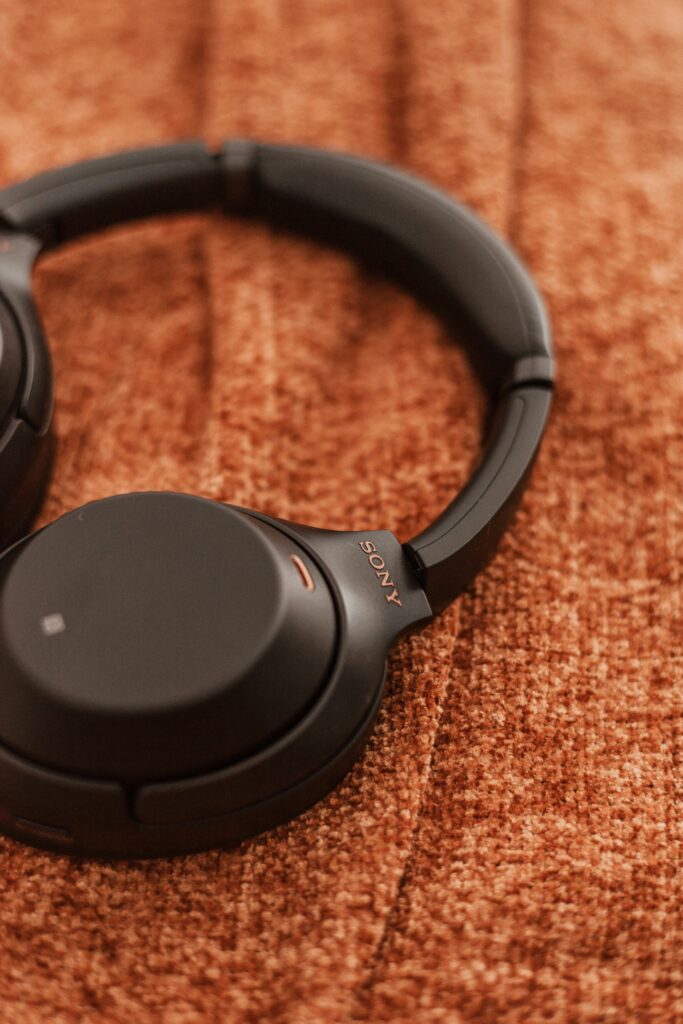
The quest for uninterrupted audio clarity has never been more relevant. From bustling commutes to open-plan offices, our environments are often filled with unwanted sound. This is where noise-canceling headphones step in, transforming chaotic backdrops into serene soundscapes. But with a myriad of options, understanding the core technologies—Active Noise Cancellation (ANC) and Passive Noise Isolation (PNC)—is crucial to making an informed decision.
Understanding Noise-Canceling Technologies: ANC vs. PNC
While often used interchangeably, ANC and PNC represent distinct approaches to sound suppression. Both aim to reduce ambient noise, but they achieve this through fundamentally different mechanisms.
Active Noise Cancellation (ANC): The Digital Silence
ANC technology, pioneered and continuously refined by companies like Bose and Sony, uses sophisticated electronics to neutralize external sounds. Announced advancements, such as adaptive ANC systems that adjust in real-time to your surroundings, signify a leap in personalized listening experiences. Research from The Verge frequently highlights the latest innovations in this field, noting how advanced algorithms can now differentiate between speech and general ambient noise, allowing for more selective cancellation.
How ANC Works: At its core, ANC operates by detecting ambient sound waves with tiny microphones, inverting them, and then playing an ‘anti-noise’ sound wave through the headphone speakers. When these two waves meet, they cancel each other out, effectively reducing the perceived noise. This process is most effective against low-frequency, constant sounds like airplane engines, bus rumbles, or HVAC hums.
Passive Noise Isolation (PNC): The Physical Barrier
PNC, on the other hand, is a more traditional and purely physical method. It relies on the design and materials of the headphones themselves to block out external sound. This includes features like over-ear cups that completely enclose the ears, dense padding, and snug-fitting ear tips for in-ear monitors.
How PNC Works: PNC forms a physical barrier between your ears and the environment. The effectiveness of PNC largely depends on the seal created around or within your ear, and the sound-dampening properties of the materials used. It tends to be more effective across a broader range of frequencies, including higher-pitched sounds like voices or keyboard clicks, though usually not as dramatically as ANC handles low frequencies.
Impact on Daily Life and Industry Trends
The proliferation of noise-canceling headphones has profoundly impacted various aspects of modern life. For remote workers, they are indispensable tools for focus, turning any space into a productive workstation. Travelers rely on them for peaceful journeys, mitigating the drone of engines and chatty passengers. Even in casual use, they enhance immersion in music, podcasts, or audiobooks by eliminating external distractions.
The market for personal audio devices, including noise-canceling headphones, continues its robust growth trajectory. According to a report by Grand View Research, the global headphones market size was valued at USD 44.4 billion in 2022 and is expected to grow at a significant compound annual growth rate (CAGR). This sustained growth underscores the increasing consumer value placed on premium audio experiences and the ability to control one’s acoustic environment. Innovations such as improved transparency modes, multi-device connectivity, and even integration with health tracking are becoming standard expectations.
Making Your Smart Choice: Key Considerations
When selecting your ideal pair of noise-canceling headphones, consider the following:
- Primary Use Case: Are you mostly traveling, working from home, or commuting? ANC excels in environments with consistent low-frequency noise, while good PNC can offer a broader, if less dramatic, reduction across frequencies.
- Sound Quality: Beyond noise cancellation, the overall audio fidelity is paramount. Look for balanced sound profiles that suit your musical preferences.
- Comfort and Fit: Especially for long listening sessions, comfort is non-negotiable. Over-ear headphones offer various padding options, while in-ear models require the right ear tips for a secure and comfortable seal.
- Battery Life: ANC functionality drains batteries faster. If wireless, compare battery life specifications carefully.
- Features: Consider additional features like transparency mode (allowing ambient sound in), customizable EQ, app support, and spatial audio capabilities.
- Price: Noise-canceling headphones range from budget-friendly to premium. Define your budget and prioritize features accordingly.
The Future of Quiet Listening
Experts predict a future where noise cancellation becomes even more intelligent and seamless. We can expect further advancements in adaptive noise cancellation that uses AI to learn and anticipate environmental sounds, providing truly personalized quiet. Miniaturization of components will allow for more powerful ANC in smaller form factors, like true wireless earbuds. Furthermore, the integration of biometric sensors and advanced audio codecs will continue to push the boundaries of what personal audio can achieve. To stay ahead of these trends, explore other expert guides on personal audio technology for deeper insights.
Ultimately, choosing the right noise-canceling headphones is a personal journey. By understanding the core technologies and weighing your specific needs against the available options, you’re empowered to make a smarter decision that will enhance your listening experience for years to come.