
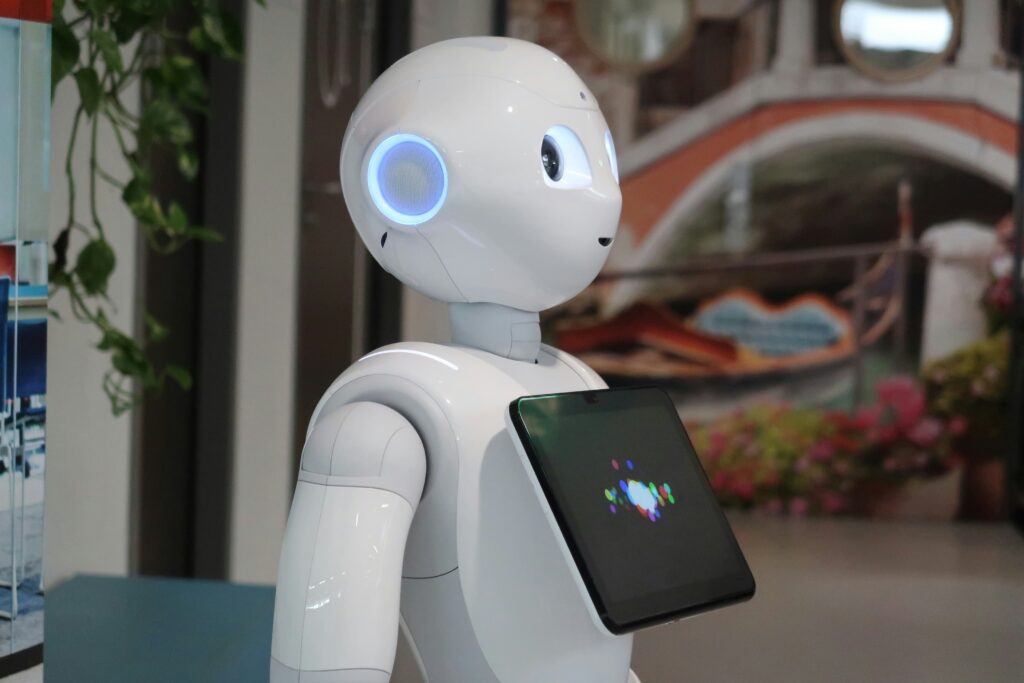
The dawn of a new industrial era is upon us, one where artificial intelligence and machine learning are not just enhancing operations but fundamentally redefining them. Intelligent systems are no longer confined to sci-fi narratives; they are the invisible architects behind optimized supply chains, precision manufacturing, and groundbreaking innovation across industries. This transformative wave, often referred to as Industrial AI, signifies a paradigm shift in how businesses approach efficiency, productivity, and sustainable growth.
The Rise of Intelligent Automation in Manufacturing
Recent reports highlight a significant acceleration in AI adoption within the manufacturing sector. According to a 2023 survey by Deloitte, nearly 70% of manufacturing companies are now investing in AI and machine learning initiatives, a substantial jump from previous years. This surge is driven by the tangible benefits intelligent systems offer: predictive maintenance that minimizes downtime, sophisticated quality control systems that detect defects with unprecedented accuracy, and robotic process automation that streamlines repetitive tasks. For instance, companies are leveraging AI-powered sensors to monitor machinery health in real-time, predicting potential failures weeks in advance and scheduling maintenance proactively, thereby saving millions in potential losses and improving operational uptime.
Beyond the factory floor, AI’s impact extends into product design and development. Generative AI tools are now assisting engineers in creating novel designs, simulating performance under various conditions, and identifying optimal materials faster than ever before. This accelerates time-to-market for new products and fosters a culture of continuous innovation.
Revolutionizing Supply Chain & Logistics with AI
Perhaps one of the most critical transformations intelligent systems are orchestrating is within global supply chains. The complexities of modern logistics, exacerbated by geopolitical shifts and unexpected events, demand a level of agility and foresight that traditional methods simply cannot provide. This is where AI excels.
Machine learning algorithms are now analyzing vast datasets, including weather patterns, traffic conditions, social media trends, and historical demand, to create highly accurate demand forecasts. This predictive capability allows businesses to optimize inventory levels, reduce waste, and ensure timely delivery. Furthermore, AI-powered route optimization systems are identifying the most efficient shipping paths, minimizing fuel consumption and carbon footprints, while autonomous warehousing solutions manage stock with minimal human intervention. Companies like Amazon have famously integrated AI extensively into their logistics, utilizing advanced robotics and data analytics to sort, pack, and ship millions of items daily with staggering efficiency. For a deeper look into how data drives modern logistics, explore our article on data-driven logistics.
Data-Driven Insights and Ethical Considerations
The foundation of these intelligent systems lies in data. Massive amounts of operational data, when fed into sophisticated machine learning models, yield insights that were previously unattainable. From identifying bottlenecks in production lines to understanding customer behavior patterns, AI provides actionable intelligence that empowers strategic decision-making. A recent report by TechCrunch highlighted that investment in Industrial AI solutions saw a 30% increase in the last year, underscoring the growing confidence in its capabilities.
However, the widespread adoption of AI also brings forth important ethical considerations. Questions around data privacy, algorithmic bias, job displacement, and the need for human oversight are paramount. As intelligent systems become more autonomous, ensuring transparency, accountability, and fairness in their operations is crucial. Industry leaders and policymakers are increasingly engaging in dialogues to establish frameworks and best practices that balance innovation with responsible AI deployment.
The Future is Intelligently Connected
Looking ahead, the integration of AI with other emerging technologies like IoT (Internet of Things), 5G, and digital twins promises to unlock even greater potential. Factories will become “smart factories,” where every machine, product, and process is connected, constantly generating data and learning. AI will act as the brain, orchestrating these vast networks, enabling real-time adaptive manufacturing and truly autonomous operations. Experts predict that within the next decade, AI will move beyond optimization to become a core driver of entirely new business models and services, blurring the lines between physical and digital worlds.
The journey towards fully intelligent industries is ongoing, characterized by continuous innovation and adaptation. Businesses that embrace AI not merely as a tool but as a strategic partner will be best positioned to thrive in this rapidly evolving technological landscape.