
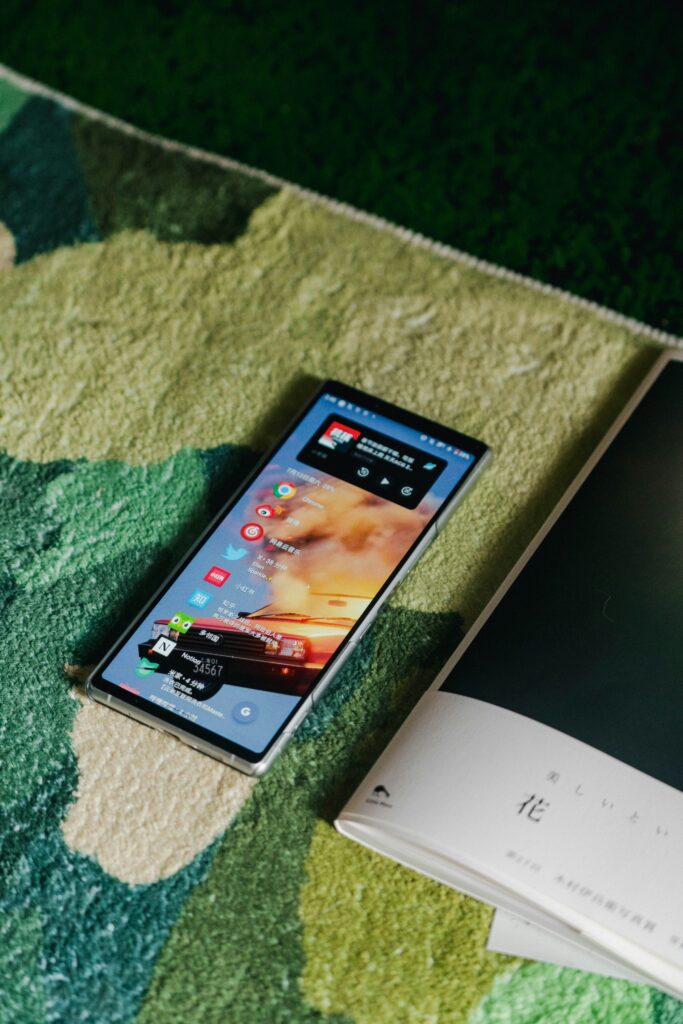
The innovation race in the foldable smartphone sector continues at a blistering pace, and all eyes are now firmly fixed on Samsung’s highly anticipated next-generation device. While an official announcement is still pending, credible leaks and industry insiders point towards the Samsung Galaxy Z Fold 6 making its grand debut in late July or early August 2024 at Samsung’s Unpacked event. This iteration is rumored to bring significant refinements, addressing some of the long-standing criticisms of its predecessors.
A Redefined Form Factor and Enhanced Durability
One of the most exciting prospects surrounding the Galaxy Z Fold 6 is its rumored design overhaul. Leaks suggest Samsung is finally opting for a wider, more conventional cover screen, addressing user feedback that the narrow external display of previous Z Fold models was often cumbersome for everyday tasks. This wider aspect ratio is expected to significantly improve usability without requiring the device to be unfolded for basic interactions like typing or browsing. Furthermore, reports indicate a thinner, lighter design, possibly achieved through advanced hinge mechanisms and new material science. Durability, a crucial concern for foldable devices, is also said to be getting a major boost, with improved water and dust resistance, potentially even reaching IPX8 standards, making the Z Fold 6 a more robust daily driver.
Beyond the form factor, under-the-hood enhancements are a given. The Galaxy Z Fold 6 is expected to feature Qualcomm’s latest Snapdragon 8 Gen 3 for Galaxy chipset, offering unparalleled performance, improved power efficiency, and advanced AI capabilities for everything from photography to gaming. Camera upgrades are also on the horizon, with speculation pointing to a more versatile and powerful camera array, possibly borrowing elements from the S24 Ultra, to close the gap with traditional flagship smartphones.
Samsung’s Dominance and Market Impact
Samsung has long been the pioneer and dominant force in the foldable smartphone market. According to recent market analysis from Counterpoint Research, Samsung commanded a significant share of the foldable segment in 2023, largely driven by the success of its Z Fold and Z Flip series. The introduction of the Galaxy Z Fold 6 is strategically crucial for Samsung to maintain this lead against increasing competition from Chinese manufacturers like Huawei, Honor, and OnePlus, who are rapidly improving their own foldable offerings.
The wider cover screen and thinner profile of the Z Fold 6 could significantly broaden its appeal beyond early adopters. Analyst firm TechInsights notes that “ease of use and perceived fragility remain key barriers to mainstream foldable adoption. A more traditional external display coupled with enhanced durability could be a game-changer for converting hesitant consumers.” (Source: The Verge)
What This Means for Users and the Industry
For consumers, the Galaxy Z Fold 6 promises a more refined and practical foldable experience. The enhanced external display means less frequent unfolding, making quick glances at notifications, replying to messages, or even taking a quick photo far more intuitive. The expected performance boost and camera improvements will cater to power users and photography enthusiasts, while the focus on durability will instill greater confidence in the device’s longevity. This evolution positions foldables not just as novelty items but as genuinely viable and superior alternatives to traditional slab phones for a growing segment of users.
For the industry, the Z Fold 6’s advancements will set a new benchmark. Competitors will be forced to innovate further in design, hinge technology, and software optimization to keep pace. This intense competition ultimately benefits consumers, driving down prices and accelerating the development of even more sophisticated foldable devices.
The Future of Foldables: Beyond the Z Fold 6
Looking ahead, the Galaxy Z Fold 6 represents a stepping stone towards a future where foldables might become the default premium smartphone form factor. Experts like Dr. Emily Carter, a lead analyst at Global Tech Insights, predict that “future foldables will integrate even more advanced flexible display technologies, potentially allowing for multi-fold designs or even rollable screens that offer unparalleled versatility. We might also see deeper integration with AI, not just in chip performance, but in how the device adapts its interface and functionality based on its folded or unfolded state.” Samsung’s continuous investment in this category, exemplified by the Z Fold 6, is paving the way for these revolutionary changes. You can explore more about choosing the right device for your needs in our latest smartphone buying guide.
In conclusion, the rumored Samsung Galaxy Z Fold 6 isn’t just another annual update; it’s shaping up to be a pivotal moment in the evolution of foldable smartphones. By addressing key user feedback and pushing technological boundaries, Samsung aims to deliver a device that is not only cutting-edge but also remarkably practical, further solidifying the place of foldables in the mainstream tech landscape.